
Lead Hospitality Software Engineer: Build the Future
Are you a passionate and experienced software engineer ready to lead innovation in the hospitality industry? Join us and shape the next generation of guest experiences through cutting-edge technology.
Essential Skills for Lead Hospitality Software Engineer
Include these keywords in your resume to pass ATS screening and impress recruiters.
Must-Have Skills
- Communication
- Time Management
- Problem-Solving
- Leadership
- Teamwork
Technical Skills
- Java/Python
- Cloud Platforms (AWS, Azure, GCP)
- SQL/NoSQL Databases
- REST APIs
- DevOps Tools (Docker, Kubernetes)
Soft Skills
A Day in the Life
A typical day as a Lead Hospitality Software Engineer starts with a team stand-up meeting, where you discuss progress, roadblocks, and priorities for the day. You then dive into code reviews, providing feedback to junior engineers and ensuring code quality. The afternoon is often spent working on architectural design, collaborating with product managers to refine requirements for new features, and troubleshooting complex technical issues. You might also spend time researching new technologies and evaluating their potential for adoption within the company. A significant portion of your day involves mentoring team members, providing guidance on technical challenges, and fostering a collaborative and supportive environment. You'll also be involved in sprint planning, ensuring tasks are properly estimated and assigned, and that the team is on track to meet deadlines. Throughout the day, communication is key, whether it's through Slack, email, or face-to-face conversations, ensuring everyone is aligned and informed. The day concludes with a review of progress and planning for the next day, setting the stage for continued innovation and success. There is often a meeting with stakeholders to provide a progress update on a key project.
Career Progression Path
Junior Software Engineer
Software Engineer
Senior Software Engineer
Lead Software Engineer
Software Architect
Engineering Manager
Interview Questions & Answers
Prepare for your Lead Hospitality Software Engineer interview with these commonly asked questions.
Describe a time you led a team through a challenging technical project. What were the obstacles, and how did you overcome them?
MediumSTAR Method: Situation: Our team faced a critical deadline to migrate a legacy system to a cloud-based platform. Task: As the lead engineer, I was responsible for guiding the team through the migration process while ensuring minimal disruption to existing services. Action: I broke down the project into smaller, manageable tasks, assigned roles and responsibilities, and implemented daily stand-up meetings to track progress and address roadblocks. I also provided technical guidance and mentorship to junior engineers. Result: We successfully migrated the system on time and within budget, with minimal downtime and improved performance. I learned the importance of clear communication, delegation, and proactive problem-solving in leading a team through a complex project.
How do you stay up-to-date with the latest technology trends in the hospitality industry?
EasyI subscribe to industry publications, attend conferences and webinars, and participate in online communities. I also dedicate time each week to explore new technologies and experiment with them in a sandbox environment. For example, I recently researched the use of AI-powered chatbots in improving customer service in hotels.
Explain your experience with designing and implementing scalable software architectures.
MediumI have experience designing and implementing scalable software architectures using microservices, cloud-based platforms (AWS, Azure, GCP), and load balancing techniques. In my previous role, I designed a microservices architecture for a reservation system that could handle millions of requests per day. I also implemented auto-scaling policies to ensure that the system could handle peak loads.
Describe your experience with Agile development methodologies.
EasyI have extensive experience working in Agile environments, primarily using Scrum. I've participated in sprint planning, daily stand-ups, sprint reviews, and retrospectives. I understand the importance of iterative development, continuous feedback, and collaboration in delivering high-quality software.
How do you handle disagreements within your team?
MediumI encourage open communication and active listening. I try to understand each person's perspective and find common ground. If necessary, I facilitate a discussion to help the team reach a consensus. I also emphasize the importance of data-driven decision-making and encourage the team to focus on the goals of the project.
What are your preferred tools for monitoring application performance and identifying bottlenecks?
MediumI prefer using tools like New Relic, Datadog, and Prometheus for monitoring application performance. These tools provide real-time insights into key metrics such as response time, error rate, and resource utilization. I also use profiling tools to identify performance bottlenecks in the code.
Explain your experience with security best practices in software development.
MediumI am familiar with security best practices such as OWASP guidelines, secure coding principles, and vulnerability scanning. I have experience implementing security measures such as input validation, authentication, authorization, and encryption. I also participate in security code reviews and stay up-to-date with the latest security threats and vulnerabilities.
Describe a time you had to make a difficult technical decision with limited information.
HardThe STAR method should be applied to answer this question. Focus on the situation, task, action, and result. This will demonstrate critical thinking and decision-making skills under pressure.
ATS Optimization Tips
Make sure your resume passes Applicant Tracking Systems used by US employers.
Use standard section headings: 'Professional Experience' not 'Where I've Worked'
Include exact job title from the posting naturally in your resume
Add a Skills section with Hospitality-relevant keywords from the job description
Save as .docx or .pdf (check the application instructions)
Avoid tables, text boxes, headers/footers, and images - these confuse ATS parsers
Common Resume Mistakes to Avoid
Don't make these errors that get resumes rejected.
Failing to highlight leadership experience
Not quantifying achievements with metrics
Omitting relevant hospitality industry experience
Poorly formatted or generic resume
Lack of specific technical skills related to cloud platforms
Industry Outlook
The US market for Lead Hospitality Software Engineer professionals remains highly competitive. Recruiters and ATS systems prioritize action verbs, quantifiable outcomes (e.g., "Reduced latency by 40%", "Led a team of 8"), and clear alignment with job descriptions. Candidates who demonstrate measurable impact and US-relevant certifications—coupled with a one-page, no-photo resume—see significantly higher callback rates in major hubs like California, Texas, and New York.
Top Hiring Companies
Recommended Resume Templates
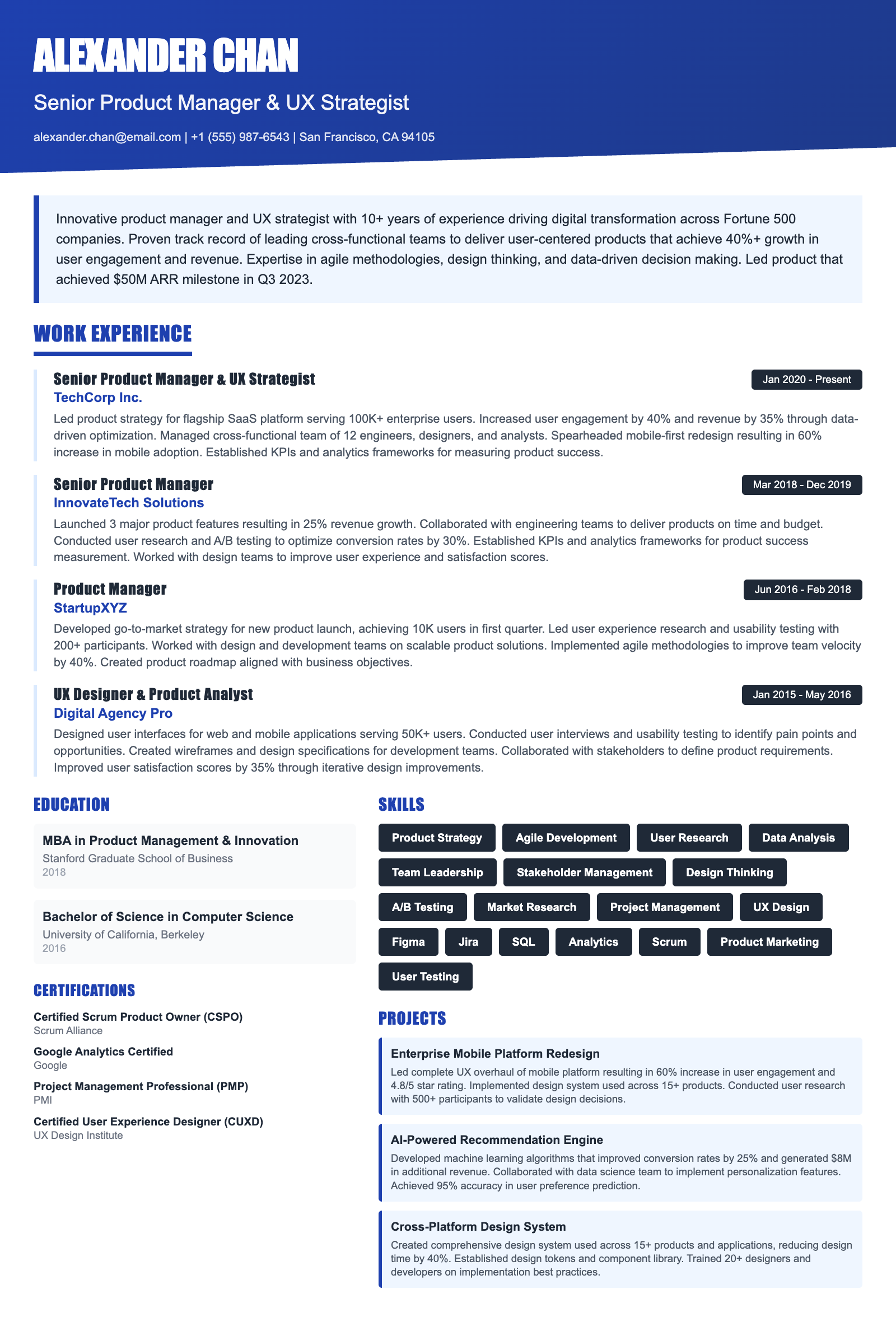
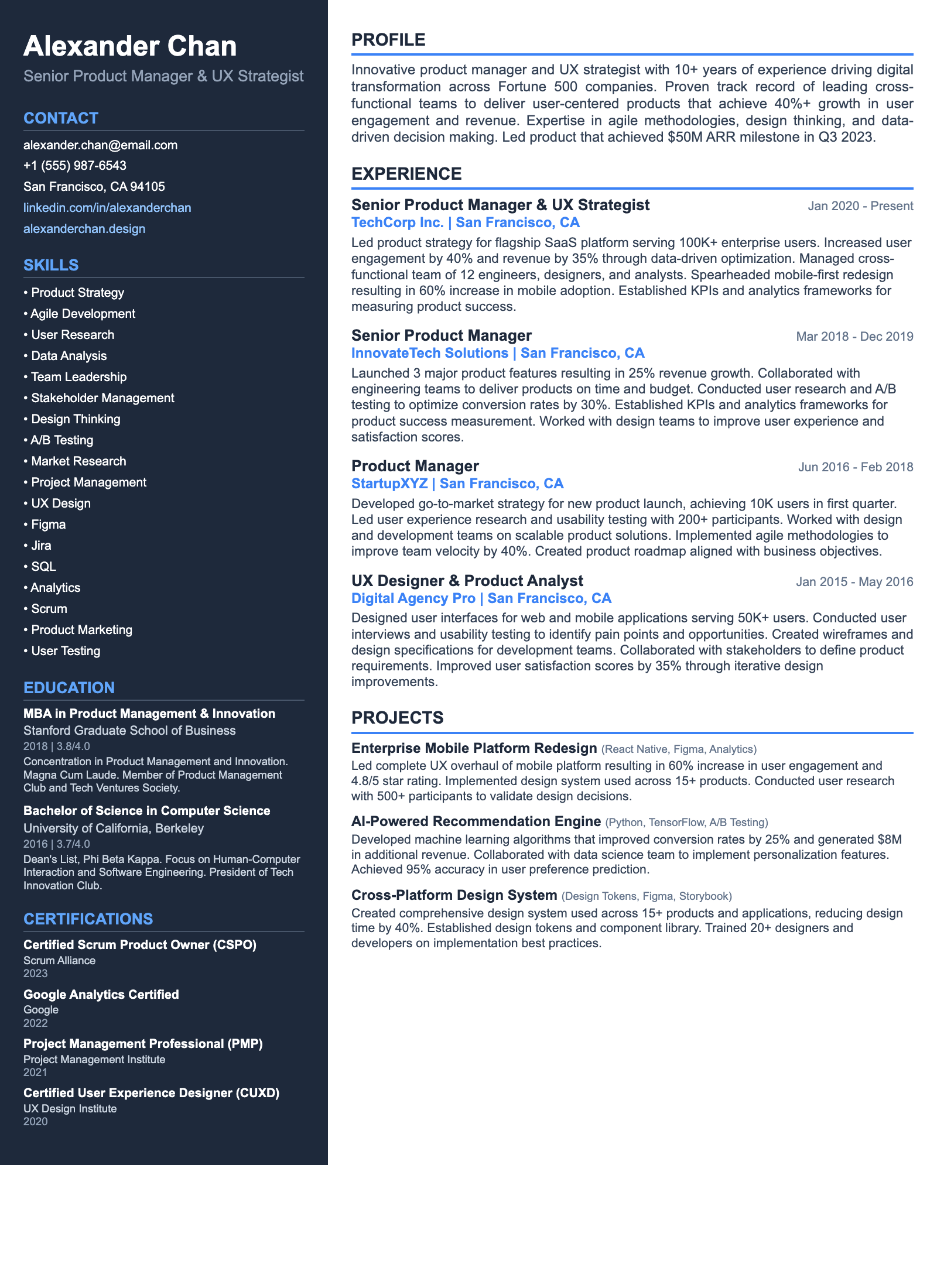
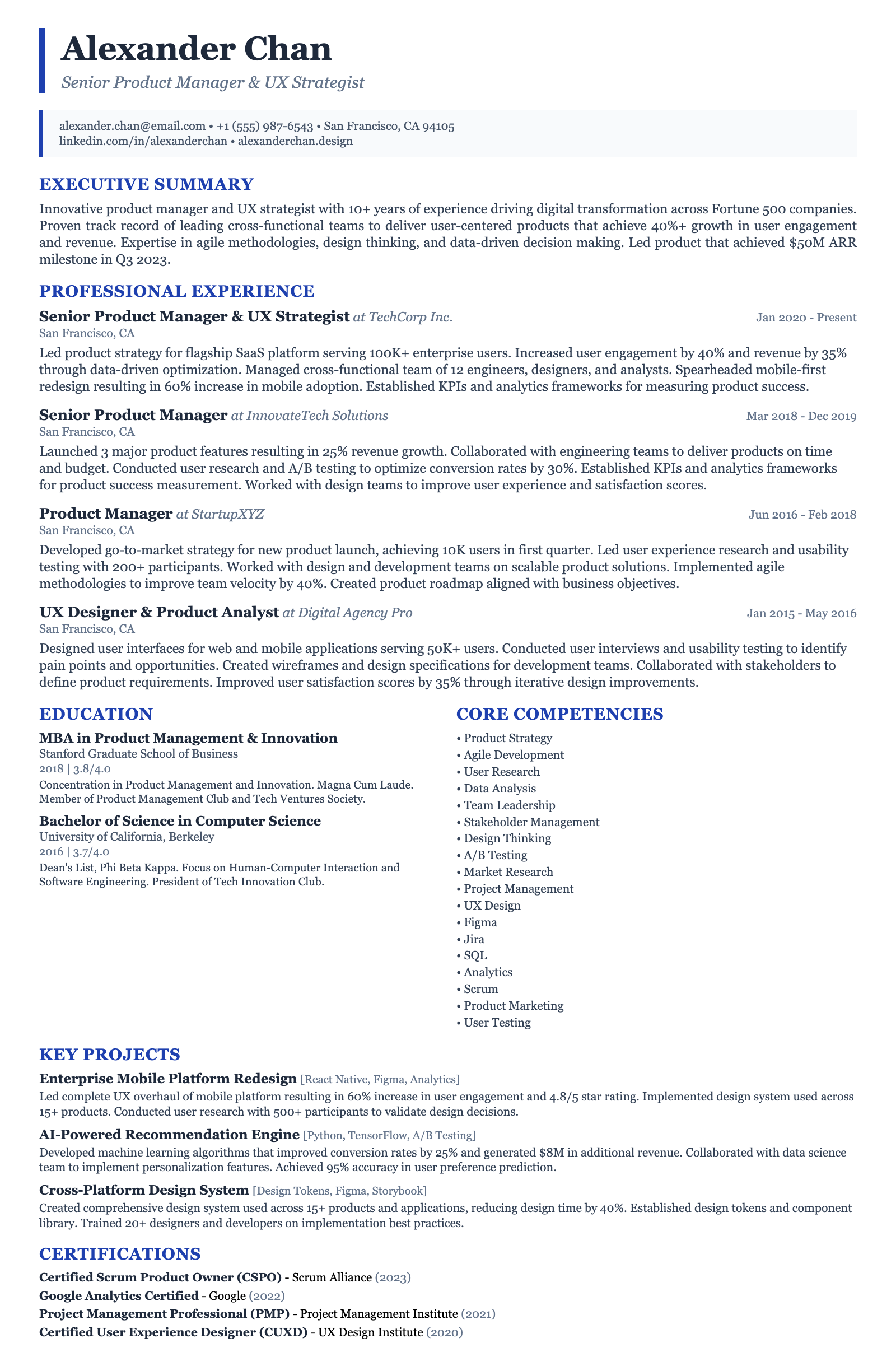
ATS-friendly templates designed specifically for Lead Hospitality Software Engineer positions in the US market.
Frequently Asked Questions
What are the key skills for a Lead Hospitality Software Engineer?
Key skills include technical expertise in software development, strong leadership and communication skills, experience with cloud platforms and databases, and a deep understanding of the hospitality industry.
What is the typical career path for a Lead Hospitality Software Engineer?
The typical career path starts with junior roles, progresses to senior roles, then lead roles, and can eventually lead to management or architectural positions.
What are some common challenges faced by Lead Hospitality Software Engineers?
Common challenges include managing complex projects, leading and mentoring teams, staying up-to-date with rapidly evolving technologies, and ensuring the security and scalability of software systems.
What is the work-life balance like for a Lead Hospitality Software Engineer?
Work-life balance can vary depending on the company and project workload. However, many companies offer flexible work arrangements and prioritize employee well-being.
What is the salary range for a Lead Hospitality Software Engineer in the US?
The salary range typically falls between $120,000 and $180,000 per year, depending on experience, location, and company size.
What are the most in-demand technologies in the hospitality software industry?
In-demand technologies include cloud platforms (AWS, Azure, GCP), mobile development (iOS, Android), data analytics, and AI/machine learning.
How important is industry experience for a Lead Hospitality Software Engineer role?
Industry experience is highly valued, as it provides a deep understanding of the specific challenges and opportunities in the hospitality sector.
What are the best ways to prepare for a Lead Hospitality Software Engineer interview?
Prepare by practicing common interview questions, showcasing relevant projects and accomplishments, and researching the company and its technology stack.
Ready to Build Your Lead Hospitality Software Engineer Resume?
Use our AI-powered resume builder to create an ATS-optimized resume tailored for Lead Hospitality Software Engineer positions in the US market.