
Lead Construction Data Analyst: Build Your Future
Drive data-driven decisions in construction. Lead data analysis initiatives, improve project efficiency, and contribute to significant growth within leading construction companies across the United States.
Essential Skills for Lead Construction Data Analyst
Include these keywords in your resume to pass ATS screening and impress recruiters.
Must-Have Skills
- Communication
- Time Management
- Problem-Solving
- Critical Thinking
- Attention to Detail
Technical Skills
- SQL
- Python (Pandas, NumPy, Scikit-learn)
- Business Intelligence (BI) Tools (Tableau, Power BI)
- Project Management Software (Primavera P6, Procore)
- Statistical Analysis Software (R, SPSS)
Soft Skills
A Day in the Life
A typical day for a Lead Construction Data Analyst begins with reviewing project performance dashboards to identify potential issues or areas for improvement. You might then meet with project managers to discuss data insights and collaborate on solutions. The afternoon could involve developing predictive models to forecast project costs or schedules, followed by creating data visualizations and reports for executive leadership. Time is also dedicated to mentoring junior analysts, reviewing their work, and providing guidance on best practices. A crucial part of the day is spent communicating findings to stakeholders, ensuring they understand the data and how it impacts their decisions. You also spend time researching new data analysis tools and techniques to stay ahead of the curve and improve the team's capabilities, and trouble-shooting data integrity issues as they arise. Lastly, you’ll spend time collaborating with IT to improve data collection processes, guaranteeing the team has the most up-to-date and accurate data available to them.
Career Progression Path
Junior Data Analyst
Data Analyst
Senior Data Analyst
Lead Construction Data Analyst
Data Science Manager/Director
Interview Questions & Answers
Prepare for your Lead Construction Data Analyst interview with these commonly asked questions.
Describe a time you used data analysis to solve a problem on a construction project.
MediumI've used data analysis to identify cost overruns on a large commercial build. *Situation:* The project was over budget and the PM was at a loss. *Task:* My task was to identify the root cause of the overruns. *Action:* I analyzed the project's financial data, focusing on material costs and labor hours. I discovered that a specific type of steel was being purchased at a significantly higher price than originally budgeted due to supplier issues. I also identified inefficiencies in the installation process, leading to increased labor hours. *Result:* I presented my findings to the project manager, who renegotiated the steel contract and implemented process improvements. This resulted in a significant reduction in costs and brought the project back on track within budget.
How do you stay up-to-date with the latest trends and technologies in data analysis?
EasyI am a strong believer in continuous learning. I regularly attend industry conferences, participate in online courses and webinars, and read industry publications and blogs. I'm also an active member of several online data science communities, where I can learn from other professionals and share my own knowledge. I also stay updated with new releases and features of the data analysis tools I use to ensure I am leveraging their full potential.
Explain your experience with project management software such as Primavera P6 or Procore.
MediumI have extensive experience with both Primavera P6 and Procore. In my previous role at [Previous Company], I used Primavera P6 to track project schedules, monitor resource allocation, and identify potential delays. I also used Procore to manage project documentation, track change orders, and facilitate communication between project teams. I am proficient in using these tools to extract data for analysis and reporting.
Describe your experience with data visualization tools like Tableau or Power BI.
MediumI am highly proficient in both Tableau and Power BI. I have used these tools to create interactive dashboards and reports that provide stakeholders with real-time insights into project performance. I am skilled at designing visualizations that effectively communicate complex data in a clear and concise manner. For example, I created a dashboard that tracked key performance indicators (KPIs) for a major infrastructure project, allowing stakeholders to quickly identify areas that required attention.
How do you handle working with large and complex datasets?
HardWhen working with large and complex datasets, I first focus on data cleaning and preprocessing. This involves identifying and correcting errors, handling missing values, and transforming data into a format suitable for analysis. I then use tools like SQL and Python (with libraries like Pandas and NumPy) to efficiently process and analyze the data. I also use techniques like data sampling and dimensionality reduction to reduce the computational burden and improve the performance of my analyses.
How do you ensure the accuracy and reliability of your data analysis?
MediumI follow a rigorous process to ensure the accuracy and reliability of my data analysis. This includes validating data sources, performing data quality checks, and documenting all steps in my analysis. I also use statistical techniques to assess the uncertainty and reliability of my results. Finally, I always present my findings to stakeholders for review and feedback.
Tell me about a time you had to present complex data findings to a non-technical audience.
MediumIn a previous role, I had to present the results of a cost analysis to a group of project managers who were not familiar with data analysis techniques. *Situation:* The Project managers were not understanding the data and rejecting it. *Task:* My task was to present the data in a way they would be able to understand and act on it. *Action:* I avoided technical jargon and focused on the key takeaways. I used clear and concise language, and I created visualizations that were easy to understand. I also took the time to answer their questions and address their concerns. *Result:* As a result, the project managers were able to understand the findings and use them to make informed decisions that improved project performance.
ATS Optimization Tips
Make sure your resume passes Applicant Tracking Systems used by US employers.
Use standard section headings: 'Professional Experience' not 'Where I've Worked'
Include exact job title from the posting naturally in your resume
Add a Skills section with Construction-relevant keywords from the job description
Save as .docx or .pdf (check the application instructions)
Avoid tables, text boxes, headers/footers, and images - these confuse ATS parsers
Common Resume Mistakes to Avoid
Don't make these errors that get resumes rejected.
Lack of quantifiable achievements in previous roles.
Failure to tailor the resume to the specific requirements of the job description.
Insufficient demonstration of leadership and communication skills.
Overemphasis on technical skills without highlighting business impact.
Poor formatting and grammatical errors.
Industry Outlook
The US market for Lead Construction Data Analyst professionals remains highly competitive. Recruiters and ATS systems prioritize action verbs, quantifiable outcomes (e.g., "Reduced latency by 40%", "Led a team of 8"), and clear alignment with job descriptions. Candidates who demonstrate measurable impact and US-relevant certifications—coupled with a one-page, no-photo resume—see significantly higher callback rates in major hubs like California, Texas, and New York.
Top Hiring Companies
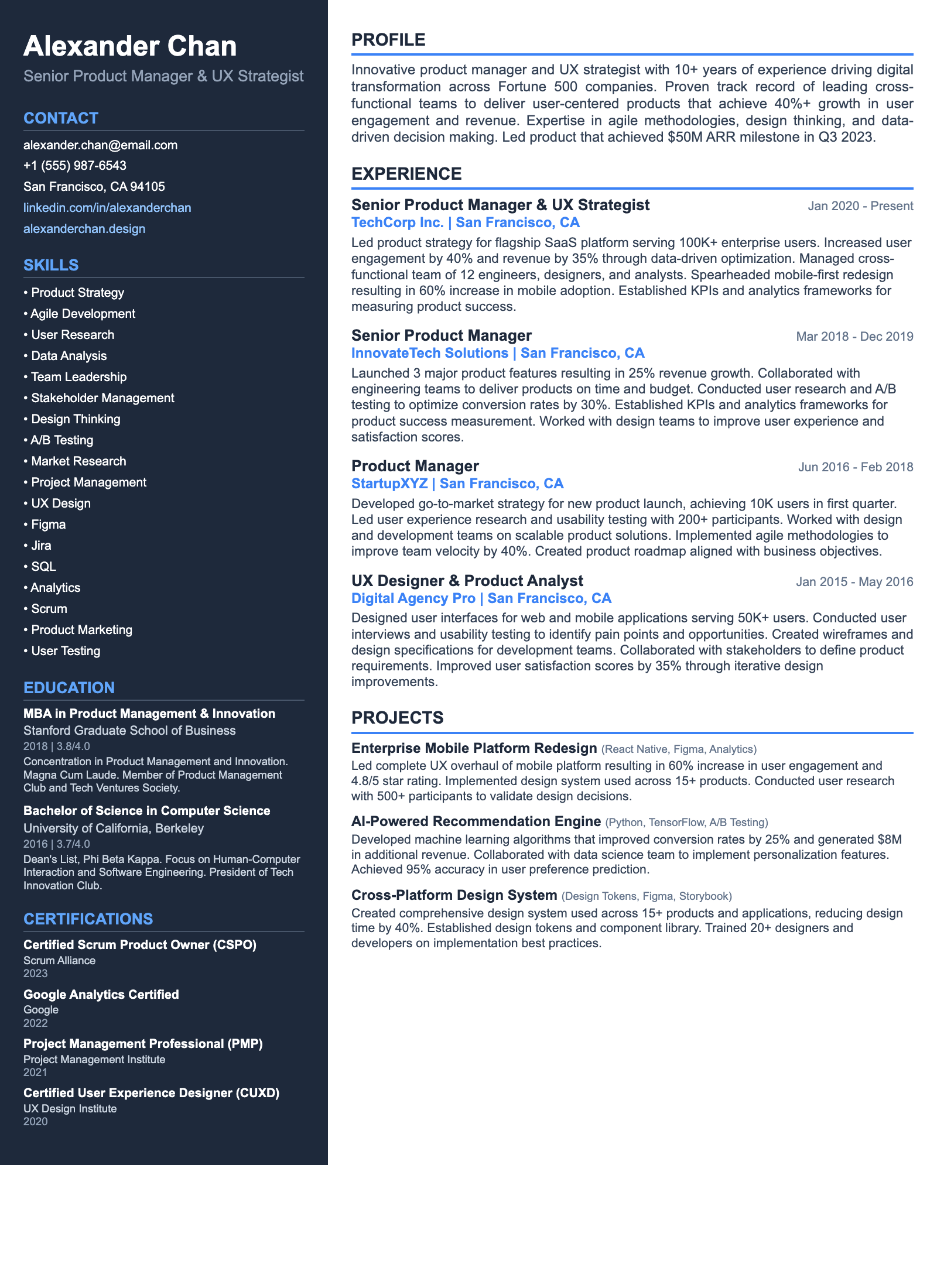
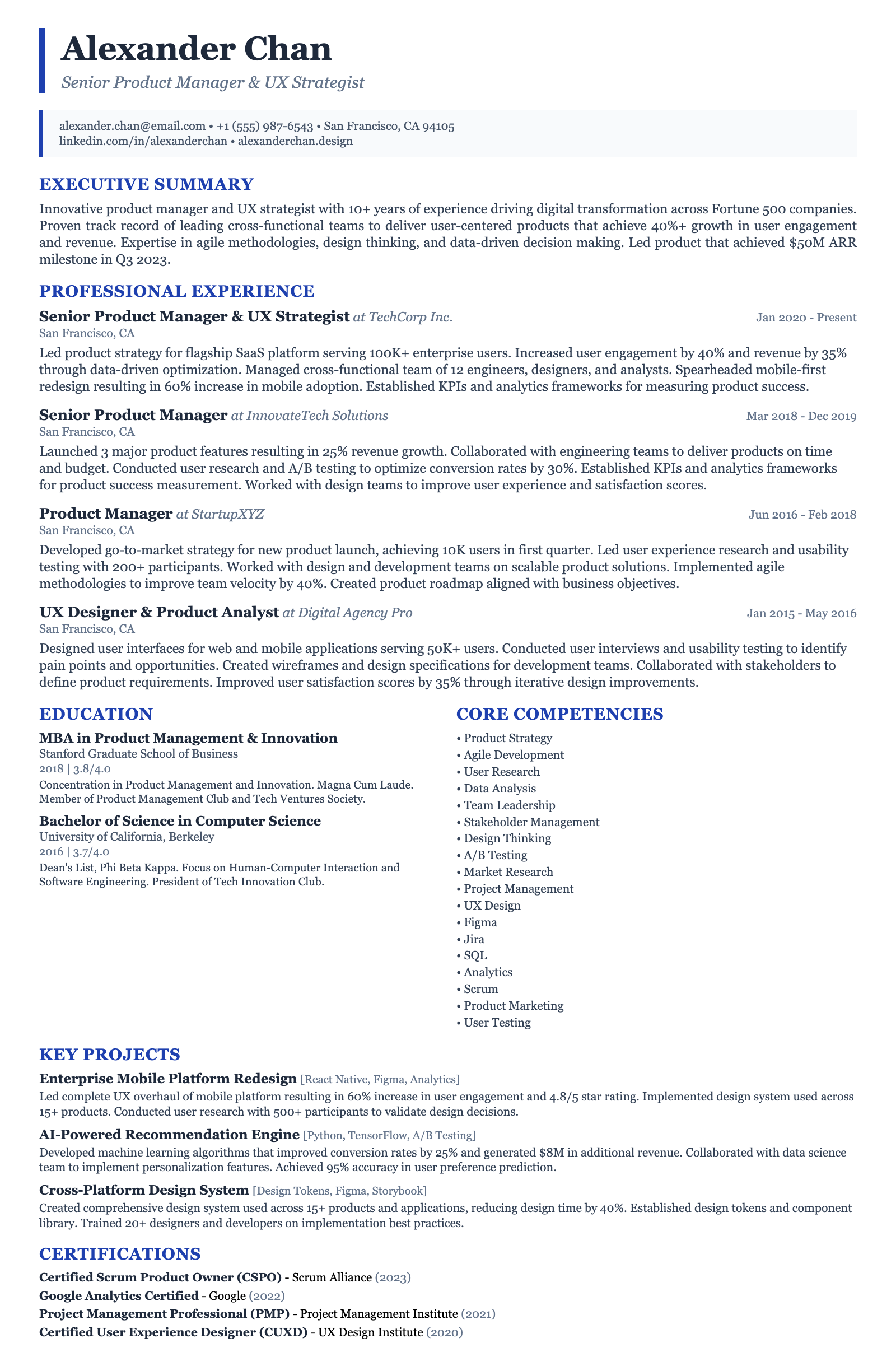
Recommended Resume Templates
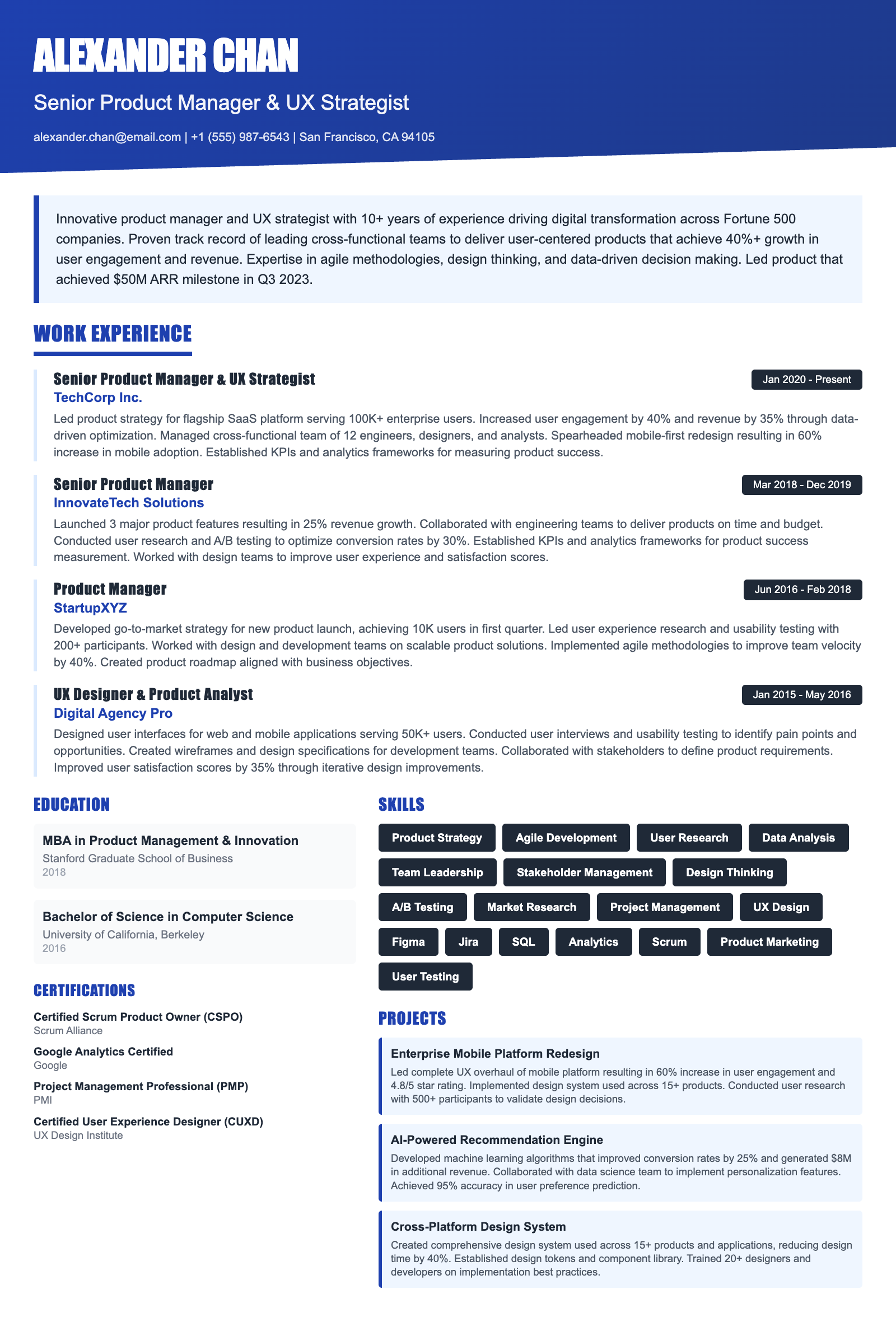
ATS-friendly templates designed specifically for Lead Construction Data Analyst positions in the US market.
Frequently Asked Questions
What are the key skills required for a Lead Construction Data Analyst?
Key skills include strong analytical abilities, proficiency in data analysis tools (SQL, Python, Tableau/Power BI), excellent communication skills, leadership experience, and a solid understanding of construction processes.
What is the typical career path for a Construction Data Analyst?
The typical career path progresses from Junior Data Analyst to Data Analyst, Senior Data Analyst, Lead Construction Data Analyst, and potentially into management roles such as Data Science Manager or Director.
What are the common challenges faced by Construction Data Analysts?
Common challenges include dealing with incomplete or inconsistent data, communicating complex findings to non-technical audiences, and keeping up with the latest trends and technologies in data analysis.
How can I improve my chances of landing a job as a Lead Construction Data Analyst?
Focus on developing your analytical skills, gaining experience with relevant data analysis tools, building strong communication skills, and demonstrating leadership potential. Highlight your achievements in previous roles and tailor your resume to the specific requirements of the job description.
What types of construction projects benefit most from data analysis?
All types of construction projects can benefit from data analysis, but it is particularly valuable for large, complex projects with significant budgets and tight schedules. Data analysis can help to improve project planning, reduce costs, mitigate risks, and enhance overall project performance.
What is the role of BIM in construction data analysis?
BIM (Building Information Modeling) provides a rich source of data for construction data analysis. BIM models contain detailed information about the design, construction, and operation of a building, which can be used to improve project planning, coordination, and execution. Integrating BIM data with other data sources can provide a comprehensive view of project performance.
What are the best online resources for learning about construction data analysis?
There are many excellent online resources for learning about construction data analysis, including online courses from platforms like Coursera and Udemy, industry publications like Construction Dive and Engineering News-Record, and online communities like the Construction Data Science Meetup group.
What is the difference between a Data Analyst and a Data Scientist in construction?
While there's overlap, Data Analysts typically focus on descriptive analytics (understanding past performance) and reporting, while Data Scientists focus on predictive and prescriptive analytics (forecasting future outcomes and recommending actions). Data Scientists often use more advanced statistical modeling and machine learning techniques.
Ready to Build Your Lead Construction Data Analyst Resume?
Use our AI-powered resume builder to create an ATS-optimized resume tailored for Lead Construction Data Analyst positions in the US market.