Junior Manufacturing Graphic Designer: Launch Your Career!
Seeking a creative entry point into the manufacturing sector? This role provides a unique opportunity to blend graphic design skills with the tangible world of product creation, contributing to brand identity and visual communication across diverse manufacturing applications.
Essential Skills for Junior Manufacturing Graphic Designer
Include these keywords in your resume to pass ATS screening and impress recruiters.
Must-Have Skills
- Communication
- Time Management
- Adobe Creative Suite
- Attention to Detail
- Brand Consistency
Technical Skills
- Adobe Photoshop
- Adobe Illustrator
- Adobe InDesign
- Packaging Design Software
- Printing Processes
Soft Skills
A Day in the Life
A typical day for a Junior Manufacturing Graphic Designer starts with reviewing project briefs and collaborating with the marketing team to understand the day's priorities. You might spend the morning refining packaging designs for a new product launch, ensuring all elements align with brand guidelines and regulatory requirements. After lunch, you could be creating visuals for an internal training presentation, focusing on clear and engaging communication. The afternoon might involve working with the engineering team to update product labels, incorporating new safety information or technical specifications. Throughout the day, you'll be using Adobe Creative Suite to bring your ideas to life, constantly seeking feedback and revisions from stakeholders to ensure the final product meets expectations. Staying organized with file management and proactively communicating project updates are also key components of the role. You'll also dedicate some time to researching design trends and exploring new software features to enhance your skills and contribute fresh perspectives to the team.
Career Progression Path
Junior Manufacturing Graphic Designer
Manufacturing Graphic Designer
Senior Manufacturing Graphic Designer
Art Director
Creative Director
Interview Questions & Answers
Prepare for your Junior Manufacturing Graphic Designer interview with these commonly asked questions.
Describe a time you had to work under a tight deadline. What was your approach, and what was the outcome?
MediumSTAR Method: Situation: I was tasked with creating a brochure for a new product launch with only three days to complete the design. Task: My objective was to deliver a high-quality brochure that effectively communicated the product's features and benefits to potential customers. Action: I immediately prioritized the tasks, focusing on the key design elements and working closely with the marketing team to gather the necessary information. I broke down the project into smaller, manageable steps and set realistic deadlines for each step. I communicated proactively with the team to ensure alignment and address any potential roadblocks. Result: I successfully delivered the brochure on time and within budget. The marketing team was impressed with the quality of the design, and the brochure played a significant role in generating leads for the new product.
How do you stay up-to-date with the latest design trends and technologies?
EasyI regularly follow industry blogs, attend webinars, and participate in online design communities. I also experiment with new software features and techniques to continuously expand my skillset. I find inspiration from various sources, including design magazines, online portfolios, and social media platforms.
Explain your experience with packaging design. What are some key considerations in designing effective packaging?
MediumI have experience designing packaging for various products, including [mention specific examples]. Key considerations in effective packaging design include protecting the product, communicating the brand message, attracting attention on the shelf, and complying with regulatory requirements. It's crucial to understand the target audience and tailor the design to their needs and preferences.
Describe a time you had to work with a difficult client or stakeholder. How did you handle the situation?
MediumSTAR Method: Situation: I was working on a marketing campaign for a client who had very specific and sometimes conflicting ideas about the design. Task: My goal was to deliver a design that met the client's expectations while also adhering to best practices and brand guidelines. Action: I actively listened to the client's feedback and asked clarifying questions to understand their vision. I presented multiple design options and explained the rationale behind each choice. I also provided constructive feedback and suggested alternative approaches when necessary. Result: By fostering open communication and collaboration, I was able to build trust with the client and deliver a design that they were ultimately satisfied with.
How do you ensure brand consistency across all visual materials?
EasyI adhere to established brand guidelines, including logo usage, color palettes, typography, and imagery. I also create style guides and templates to ensure consistency across all design projects. I regularly review visual materials to identify any inconsistencies and address them promptly.
Tell me about a time you made a mistake and how you handled it.
MediumSTAR Method: Situation: While designing a product label, I accidentally omitted a crucial safety warning. Task: My responsibility was to rectify the error and prevent any potential harm to consumers. Action: I immediately notified my supervisor and the product development team. We quickly revised the label and implemented a quality control process to prevent similar errors in the future. Result: We were able to correct the mistake before the product was released to the market, ensuring the safety of consumers and protecting the company's reputation.
What software are you proficient in, and how do you use them in your design process?
EasyI am proficient in Adobe Photoshop, Illustrator, and InDesign. I use Photoshop for image editing and manipulation, Illustrator for creating vector graphics and illustrations, and InDesign for layout and typography. I also have experience with [mention any other relevant software].
ATS Optimization Tips
Make sure your resume passes Applicant Tracking Systems used by US employers.
Use standard section headings: 'Professional Experience' not 'Where I've Worked'
Include exact job title from the posting naturally in your resume
Add a Skills section with Manufacturing-relevant keywords from the job description
Save as .docx or .pdf (check the application instructions)
Avoid tables, text boxes, headers/footers, and images - these confuse ATS parsers
Common Resume Mistakes to Avoid
Don't make these errors that get resumes rejected.
Failing to tailor your portfolio to manufacturing-related projects.
Neglecting to showcase your understanding of printing processes.
Omitting examples of packaging design or product labeling.
Poorly communicating your understanding of brand guidelines.
Not demonstrating strong attention to detail in your resume and portfolio.
Industry Outlook
The US market for Junior Manufacturing Graphic Designer professionals remains highly competitive. Recruiters and ATS systems prioritize action verbs, quantifiable outcomes (e.g., "Reduced latency by 40%", "Led a team of 8"), and clear alignment with job descriptions. Candidates who demonstrate measurable impact and US-relevant certifications—coupled with a one-page, no-photo resume—see significantly higher callback rates in major hubs like California, Texas, and New York.
Top Hiring Companies
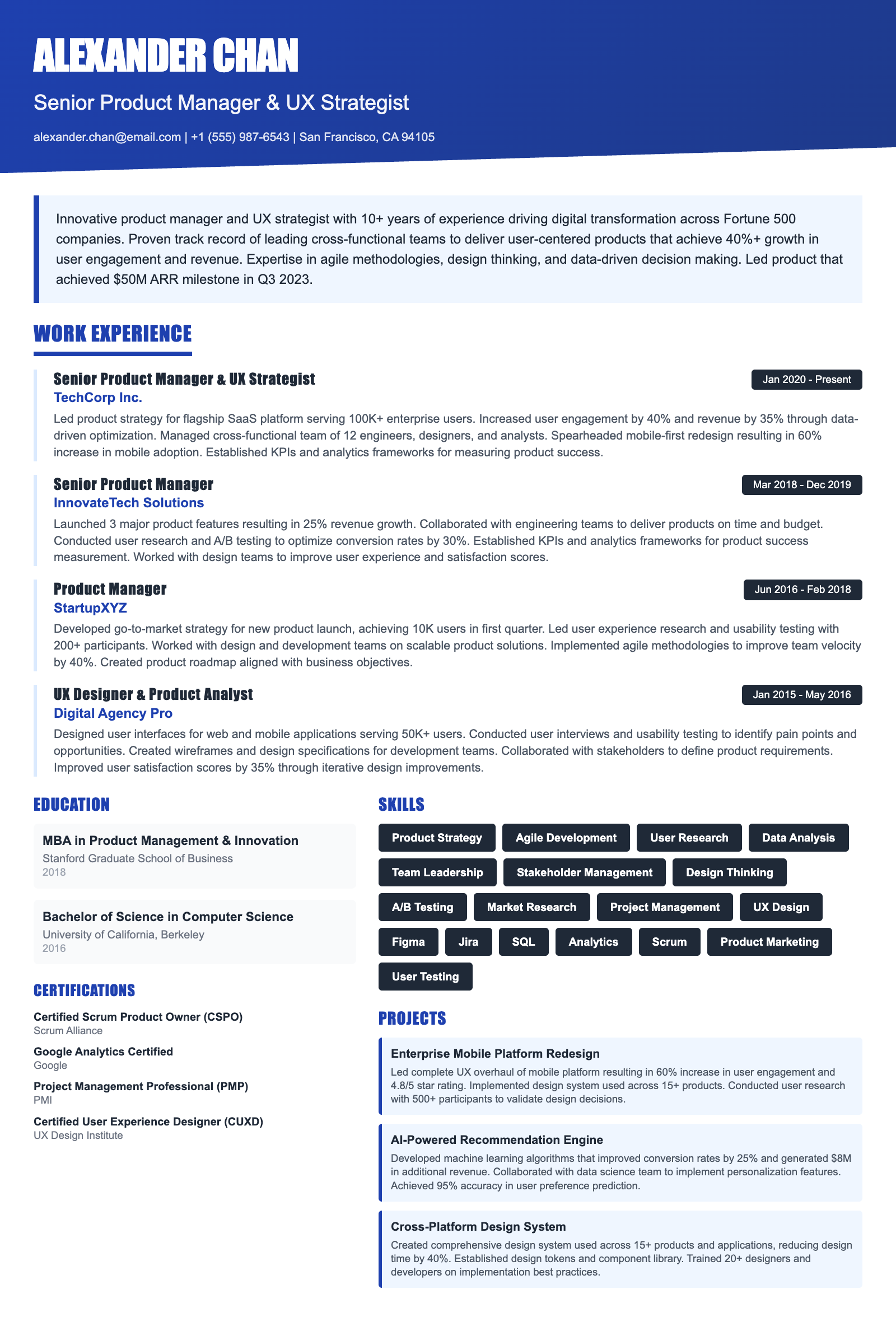
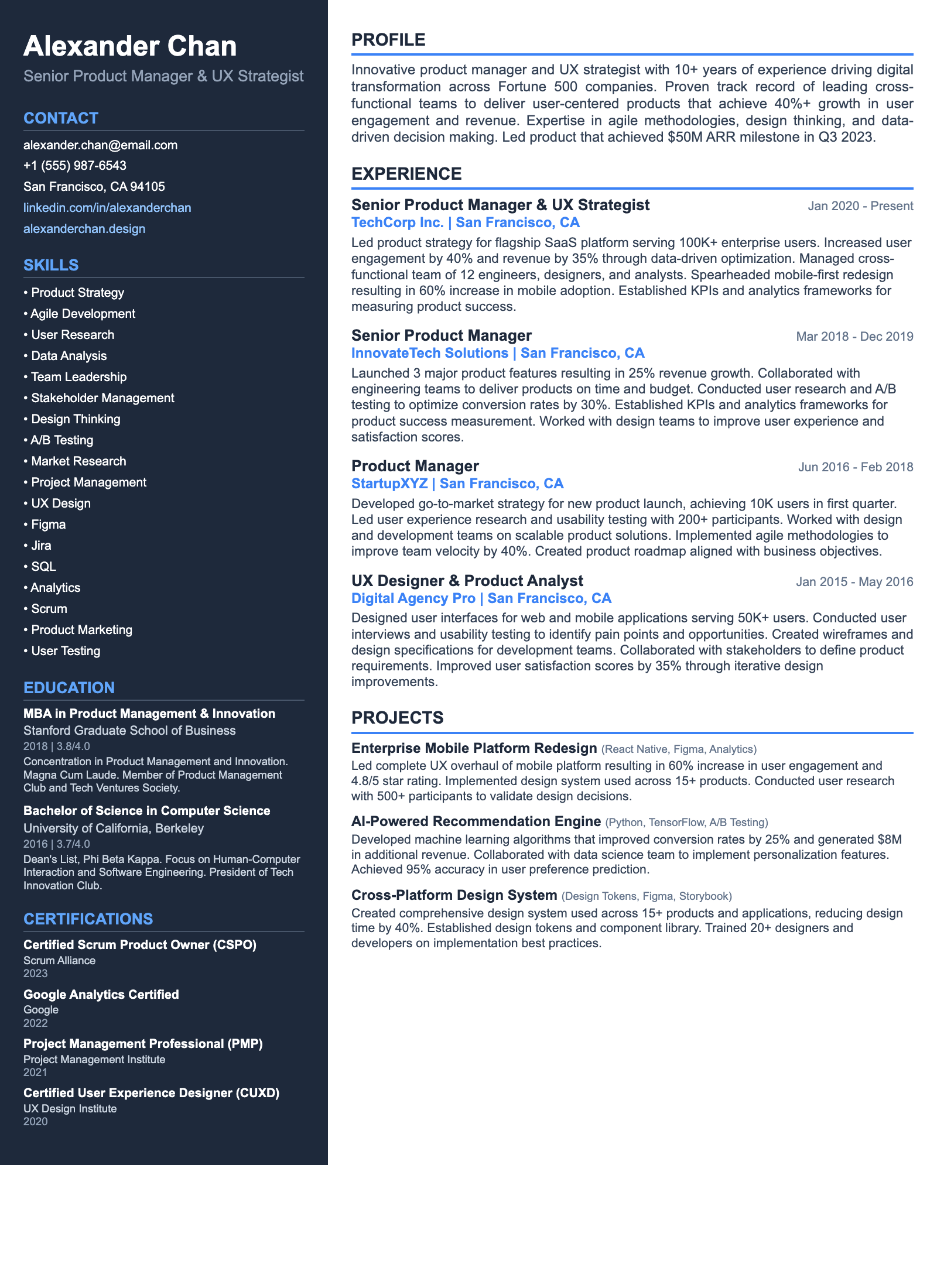
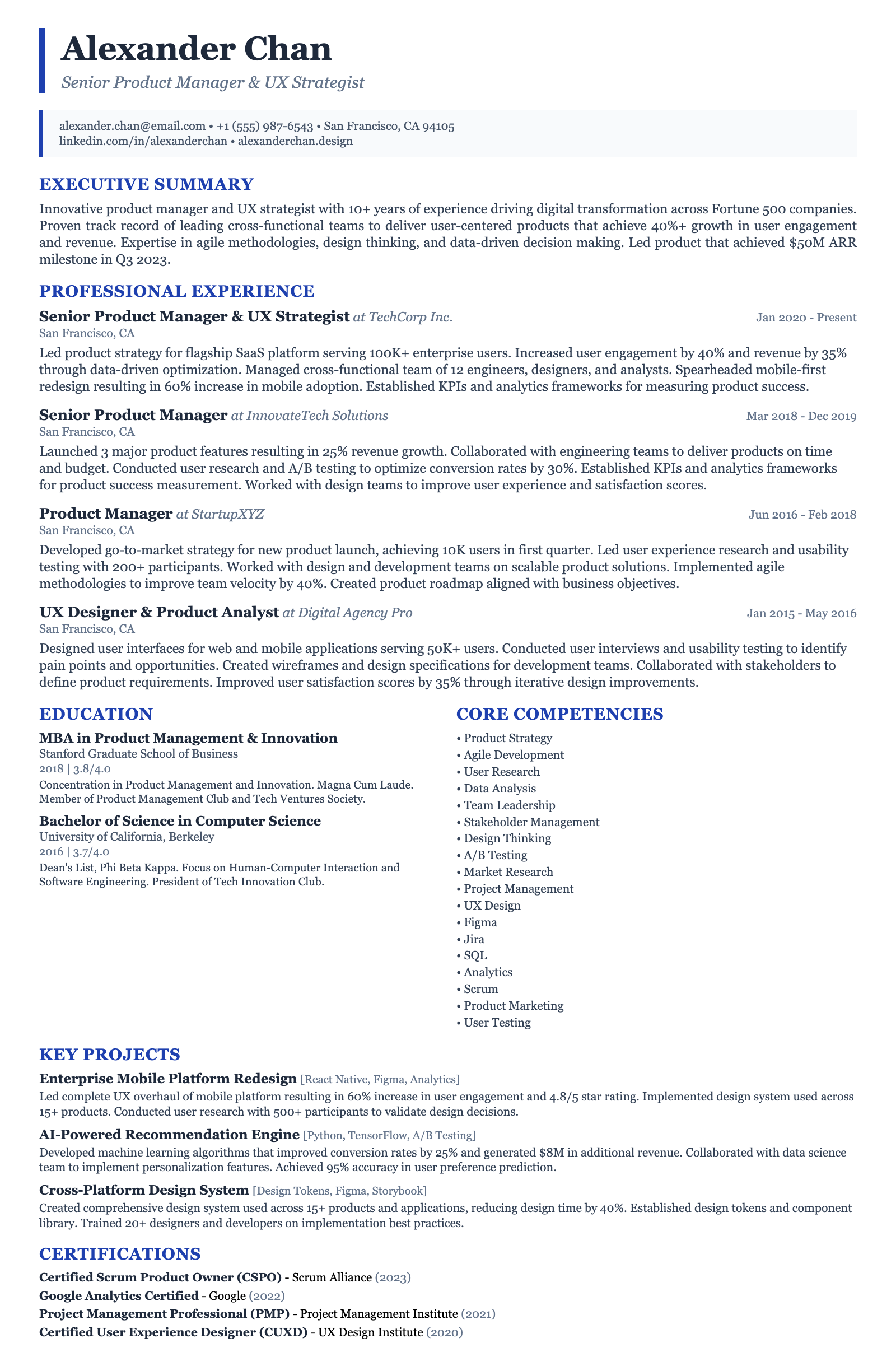
Recommended Resume Templates
ATS-friendly templates designed specifically for Junior Manufacturing Graphic Designer positions in the US market.
Frequently Asked Questions
What are the key skills needed for a Junior Manufacturing Graphic Designer?
The key skills include proficiency in Adobe Creative Suite, a strong understanding of design principles, excellent communication skills, attention to detail, and the ability to work independently and as part of a team. Knowledge of printing processes and manufacturing processes is also beneficial.
What is the typical career path for a Manufacturing Graphic Designer?
The typical career path starts with a Junior Manufacturing Graphic Designer role and progresses to Manufacturing Graphic Designer, Senior Manufacturing Graphic Designer, Art Director, and ultimately Creative Director.
How important is it to have experience with packaging design for this role?
Experience with packaging design is highly valued, as it is a significant aspect of the role. If you don't have direct experience, highlight any related skills or projects that demonstrate your understanding of design principles and attention to detail.
What kind of projects should I include in my portfolio?
Include projects that showcase your skills in packaging design, product labeling, marketing collateral, and internal communications. Highlight projects that demonstrate your understanding of brand guidelines and your ability to work within the constraints of a manufacturing environment.
What is the work environment like in a manufacturing setting?
The work environment can be fast-paced and demanding, requiring you to manage multiple projects simultaneously and meet tight deadlines. Collaboration with cross-functional teams is essential, and you'll need to be able to communicate effectively with people from diverse backgrounds.
How can I prepare for an interview for a Junior Manufacturing Graphic Designer role?
Research the company and understand their products and brand. Review your portfolio and be prepared to discuss your design process and the rationale behind your design choices. Practice answering common interview questions and be ready to showcase your skills and experience.
Is a degree in graphic design required for this role?
While a degree in graphic design or a related field is often preferred, it's not always a strict requirement. A strong portfolio and relevant experience can often compensate for a lack of formal education.
What are some common mistakes to avoid when applying for this role?
Avoid generic resumes and cover letters. Tailor your application to the specific requirements of the job and highlight your relevant skills and experience. Don't neglect to showcase your understanding of printing processes and brand guidelines. Proofread your resume and portfolio carefully to ensure there are no errors.
Ready to Build Your Junior Manufacturing Graphic Designer Resume?
Use our AI-powered resume builder to create an ATS-optimized resume tailored for Junior Manufacturing Graphic Designer positions in the US market.