
Junior Manufacturing Financial Analyst: Your US Career
Kickstart your finance career in manufacturing! This role offers a blend of analytical prowess and industry insight, paving the way for significant growth. Learn how to craft a winning resume and navigate the US job market.
Essential Skills for Junior Manufacturing Financial Analyst
Include these keywords in your resume to pass ATS screening and impress recruiters.
Must-Have Skills
- Financial Accounting
- Budgeting & Forecasting
- Cost Accounting
- Variance Analysis
- Communication
Technical Skills
- Microsoft Excel (Advanced)
- ERP Systems (SAP, Oracle)
- SQL
- Data Visualization (Tableau, Power BI)
- Financial Modeling
Soft Skills
A Day in the Life
Imagine starting your day reviewing the previous month's manufacturing cost reports. You notice a significant spike in raw material costs for a specific product line. You dive into the data, pulling information from the ERP system and collaborating with the procurement team to understand the cause. After identifying a supply chain disruption, you prepare a presentation for management, outlining the impact on profitability and recommending alternative sourcing strategies. In the afternoon, you work on a capital expenditure proposal for a new piece of equipment, building a financial model to project the ROI and payback period. You collaborate with the engineering team to refine the assumptions and ensure the proposal aligns with the company's strategic goals. The day ends with a team meeting to discuss the upcoming budget cycle, brainstorming ideas for cost reduction and efficiency improvements. You leave feeling energized, knowing your contributions directly impact the company's success.
Career Progression Path
Junior Manufacturing Financial Analyst
Manufacturing Financial Analyst
Senior Manufacturing Financial Analyst
Finance Manager
Controller
Interview Questions & Answers
Prepare for your Junior Manufacturing Financial Analyst interview with these commonly asked questions.
Describe a time you had to analyze a complex financial dataset and present your findings to management.
MediumSTAR Method: Situation: I was tasked with analyzing a significant variance in manufacturing costs. Task: I needed to identify the root cause and present actionable recommendations. Action: I gathered data from the ERP system, used Excel to perform variance analysis, and collaborated with the operations team to understand the underlying drivers. Result: I identified a significant increase in raw material costs due to supply chain disruptions and recommended alternative sourcing strategies, which saved the company $50,000 per month.
How do you handle working under pressure and meeting tight deadlines?
EasyI thrive in fast-paced environments and prioritize tasks effectively. I use time management techniques like creating to-do lists, breaking down large projects into smaller steps, and delegating tasks when appropriate. I also communicate proactively with stakeholders to manage expectations and address potential roadblocks.
Explain your understanding of cost accounting principles.
MediumCost accounting involves tracking and analyzing the costs associated with producing goods or services. It includes methods like standard costing, activity-based costing, and job order costing. Understanding these principles is crucial for identifying cost drivers, improving efficiency, and making informed pricing decisions.
Walk me through a time you had to resolve a conflict within a team.
MediumSituation: During a budgeting process, two team members had conflicting opinions on resource allocation. Task: My role was to help them reach a consensus. Action: I facilitated a meeting where each member could voice their concerns and perspectives. I actively listened, asked clarifying questions, and helped them identify common goals. Result: We were able to find a compromise that satisfied both parties and aligned with the overall budget objectives.
What experience do you have with ERP systems like SAP or Oracle?
EasyIn my previous role/internship, I gained experience using [Specific ERP System] for [Specific tasks, e.g., generating financial reports, analyzing inventory levels, processing purchase orders]. I am familiar with navigating the system, extracting data, and using it to support financial analysis and decision-making.
Describe your experience with financial modeling.
MediumI have experience building financial models in Excel to evaluate investment opportunities, forecast financial performance, and analyze the impact of different scenarios. I am proficient in using functions like NPV, IRR, and sensitivity analysis to assess the financial viability of projects.
How do you stay up-to-date with the latest accounting standards and regulations?
EasyI regularly read industry publications, attend webinars and conferences, and participate in professional organizations like the IMA or AICPA. I also leverage online resources and consult with senior colleagues to stay informed about changes in accounting standards and regulations.
Tell me about a time you made a mistake and how you handled it.
MediumSituation: I once made an error in a financial report that resulted in an inaccurate variance calculation. Task: I needed to correct the error and prevent it from happening again. Action: I immediately notified my supervisor, corrected the error in the report, and implemented a new quality control process to prevent similar errors in the future. Result: The error was corrected promptly, and the new quality control process improved the accuracy of future reports.
ATS Optimization Tips
Make sure your resume passes Applicant Tracking Systems used by US employers.
Use standard section headings: 'Professional Experience' not 'Where I've Worked'
Include exact job title from the posting naturally in your resume
Add a Skills section with Manufacturing-relevant keywords from the job description
Save as .docx or .pdf (check the application instructions)
Avoid tables, text boxes, headers/footers, and images - these confuse ATS parsers
Common Resume Mistakes to Avoid
Don't make these errors that get resumes rejected.
Lack of quantifiable achievements on resume.
Poorly formatted resume with grammatical errors.
Failing to tailor resume to specific job requirements.
Not highlighting relevant internship or project experience.
Inadequate preparation for technical interview questions.
Industry Outlook
The US market for Junior Manufacturing Financial Analyst professionals remains highly competitive. Recruiters and ATS systems prioritize action verbs, quantifiable outcomes (e.g., "Reduced latency by 40%", "Led a team of 8"), and clear alignment with job descriptions. Candidates who demonstrate measurable impact and US-relevant certifications—coupled with a one-page, no-photo resume—see significantly higher callback rates in major hubs like California, Texas, and New York.
Top Hiring Companies
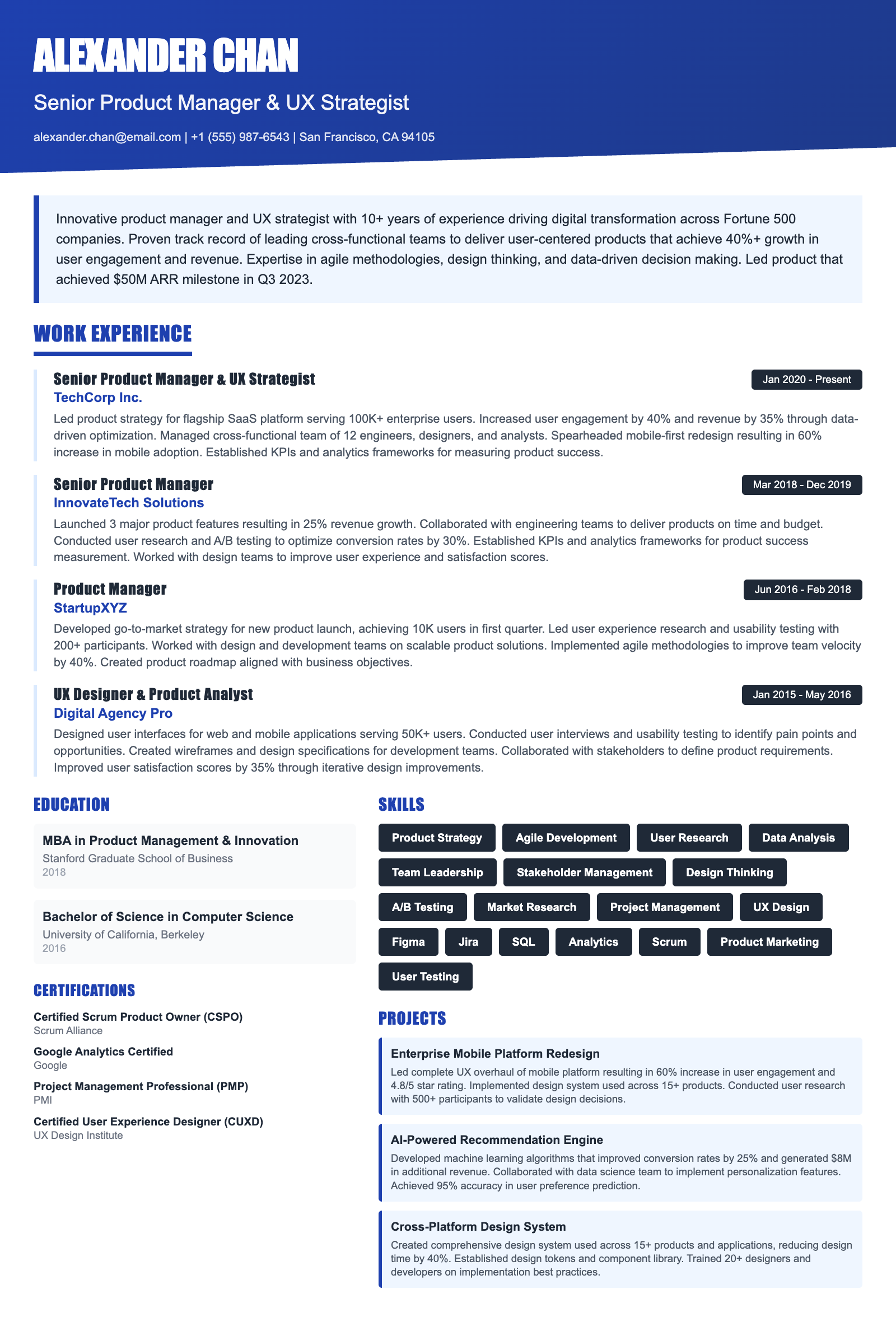
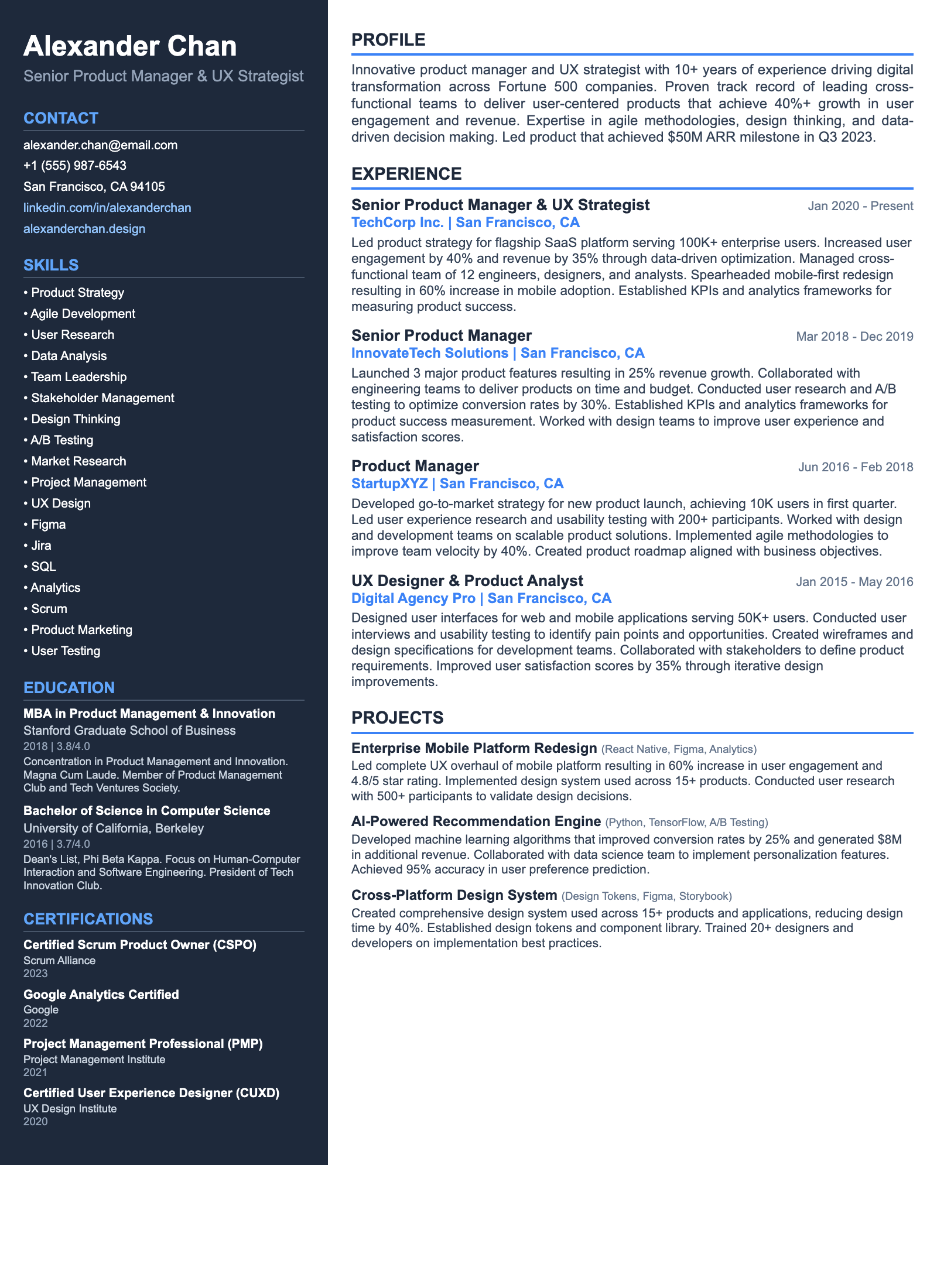
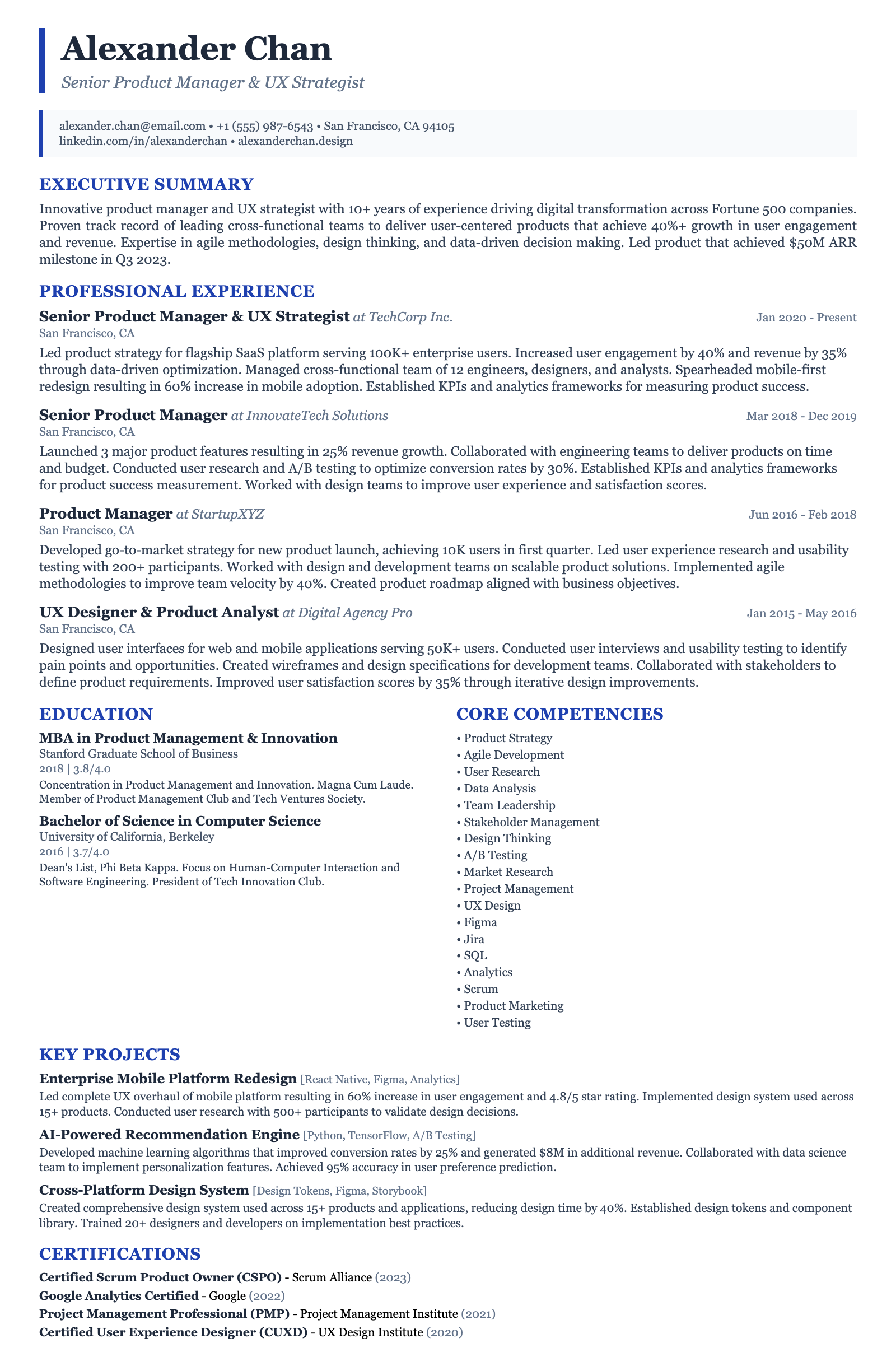
Recommended Resume Templates
ATS-friendly templates designed specifically for Junior Manufacturing Financial Analyst positions in the US market.
Frequently Asked Questions
What are the key skills needed for a Junior Manufacturing Financial Analyst role?
Key skills include financial accounting, budgeting, cost accounting, variance analysis, strong Excel skills, and familiarity with ERP systems. Strong communication and teamwork skills are also essential.
What is the typical career path for this role?
The typical career path progresses from Junior Analyst to Analyst, Senior Analyst, Finance Manager, and eventually Controller or Director of Finance.
What are the common challenges faced in this role?
Common challenges include dealing with large datasets, meeting tight deadlines, and communicating complex financial information to non-financial stakeholders. Navigating complex ERP systems can also be challenging.
What is the difference between cost accounting and financial accounting?
Financial accounting focuses on preparing financial statements for external stakeholders, while cost accounting focuses on tracking and analyzing costs within the organization to support internal decision-making.
How important is Excel in this role?
Excel is extremely important. Proficiency in Excel is essential for data analysis, financial modeling, and reporting. You should be comfortable using advanced functions and features.
What is the role of a Manufacturing Financial Analyst in cost reduction?
The analyst identifies cost-saving opportunities by analyzing manufacturing costs, identifying inefficiencies, and recommending process improvements. They also evaluate capital expenditure proposals to ensure they provide a positive return on investment.
What types of financial reports will I be preparing?
You'll likely be involved in preparing monthly, quarterly, and annual financial reports, including income statements, balance sheets, and cash flow statements. You may also prepare reports on specific manufacturing costs or variances.
Is a CMA or CPA certification beneficial for this role?
Yes, a CMA (Certified Management Accountant) or CPA (Certified Public Accountant) certification can significantly enhance your career prospects and earning potential in this role. These certifications demonstrate your expertise in accounting and finance.
Ready to Build Your Junior Manufacturing Financial Analyst Resume?
Use our AI-powered resume builder to create an ATS-optimized resume tailored for Junior Manufacturing Financial Analyst positions in the US market.