
Launch Your Career: Junior Manufacturing Data Analyst
Are you passionate about data and manufacturing? Kickstart your career as a Junior Manufacturing Data Analyst in the US and contribute to optimizing production processes. This role offers a fantastic opportunity to learn, grow, and make a real impact in a dynamic industry.
Essential Skills for Junior Manufacturing Data Analyst
Include these keywords in your resume to pass ATS screening and impress recruiters.
Must-Have Skills
- Communication
- Time Management
- Problem-Solving
- Attention to Detail
- SQL
Technical Skills
- Python (Pandas, NumPy)
- Data Visualization (Tableau, Power BI)
- Statistical Analysis
- Data Mining
- Excel
Soft Skills
A Day in the Life
A typical day for a Junior Manufacturing Data Analyst starts with reviewing the previous day's production data, looking for any anomalies or trends. This might involve querying databases, running statistical analyses in Python, or creating visualizations in Tableau. You'll then attend a morning meeting with the production team to discuss these findings and collaborate on potential solutions to any identified issues, such as machine downtime or quality control failures. The afternoon is often spent working on longer-term projects, like developing predictive models to forecast production output or optimizing manufacturing processes. This might involve gathering data from different sources, cleaning and transforming it, and then building and testing different models. You'll also spend time preparing reports and presentations to communicate your findings to stakeholders, ensuring that the data is presented in a clear and understandable way. Throughout the day, you'll collaborate with engineers, quality control specialists, and other data analysts to ensure that the data is accurate and that the analysis is relevant to the needs of the manufacturing team. You also spend time learning new tools and techniques to improve your data analysis skills.
Career Progression Path
Junior Manufacturing Data Analyst
Manufacturing Data Analyst
Senior Manufacturing Data Analyst
Data Science Manager
Director of Data Analytics
Interview Questions & Answers
Prepare for your Junior Manufacturing Data Analyst interview with these commonly asked questions.
Tell me about a time you used data analysis to solve a problem.
MediumSituation: In a previous role, we were experiencing a high rate of product defects during a specific stage of the manufacturing process. Task: My task was to analyze the data to identify the root cause of the defects and recommend solutions. Action: I collected data from various sources, including production machines, quality control systems, and operator logs. I used statistical analysis techniques to identify a correlation between a specific machine setting and the defect rate. I then presented my findings to the engineering team and recommended adjusting the machine setting. Result: After implementing the change, the defect rate decreased by 25%, resulting in significant cost savings.
Describe your experience with data visualization tools.
EasyI have extensive experience with data visualization tools like Tableau and Power BI. I've used these tools to create dashboards and reports that provide insights into key performance indicators (KPIs) such as production output, defect rates, and machine downtime. I am comfortable connecting to various data sources, creating interactive visualizations, and presenting data in a clear and concise manner.
How would you approach analyzing a large dataset with missing values?
MediumFirst, I would identify the extent and pattern of missing data (e.g., are values missing randomly or systematically?). Then, depending on the nature of the data and the analysis goals, I would choose an appropriate method for handling missing values. Common methods include imputation (replacing missing values with estimated values), deletion (removing rows or columns with missing values), or using algorithms that can handle missing data directly. I would carefully document my approach and justify my choices.
Explain your experience with SQL.
MediumI am proficient in SQL and have used it extensively to query and manipulate data from relational databases. I am comfortable writing complex queries to extract, filter, and aggregate data. I also have experience with database design and optimization.
What are some common challenges you might face as a data analyst in a manufacturing environment?
MediumSome common challenges include dealing with incomplete or inaccurate data, integrating data from disparate sources, working with legacy systems, and communicating complex technical findings to non-technical stakeholders. Overcoming these challenges requires strong analytical skills, attention to detail, and effective communication skills.
How do you stay up-to-date with the latest trends in data analysis and manufacturing?
EasyI regularly read industry publications, attend conferences and webinars, and participate in online communities to stay informed about the latest trends in data analysis and manufacturing. I also actively seek out opportunities to learn new skills and tools.
Describe a time when you had to present complex data to a non-technical audience. How did you ensure they understood the information?
MediumI once had to present the results of a production efficiency analysis to a group of plant managers who were not familiar with data analysis techniques. I focused on using clear and concise language, avoiding technical jargon, and using visual aids to illustrate my findings. I also made sure to explain the implications of the data in terms of their impact on the plant's operations and bottom line. Finally, I encouraged questions and provided clear and straightforward answers.
ATS Optimization Tips
Make sure your resume passes Applicant Tracking Systems used by US employers.
Use standard section headings: 'Professional Experience' not 'Where I've Worked'
Include exact job title from the posting naturally in your resume
Add a Skills section with Manufacturing-relevant keywords from the job description
Save as .docx or .pdf (check the application instructions)
Avoid tables, text boxes, headers/footers, and images - these confuse ATS parsers
Common Resume Mistakes to Avoid
Don't make these errors that get resumes rejected.
Lack of specific manufacturing experience examples.
Focusing too much on theoretical knowledge and not practical application.
Poorly formatted resume with unclear descriptions.
Not quantifying accomplishments with data-driven results.
Failing to tailor the resume to the specific job description.
Industry Outlook
The US market for Junior Manufacturing Data Analyst professionals remains highly competitive. Recruiters and ATS systems prioritize action verbs, quantifiable outcomes (e.g., "Reduced latency by 40%", "Led a team of 8"), and clear alignment with job descriptions. Candidates who demonstrate measurable impact and US-relevant certifications—coupled with a one-page, no-photo resume—see significantly higher callback rates in major hubs like California, Texas, and New York.
Top Hiring Companies
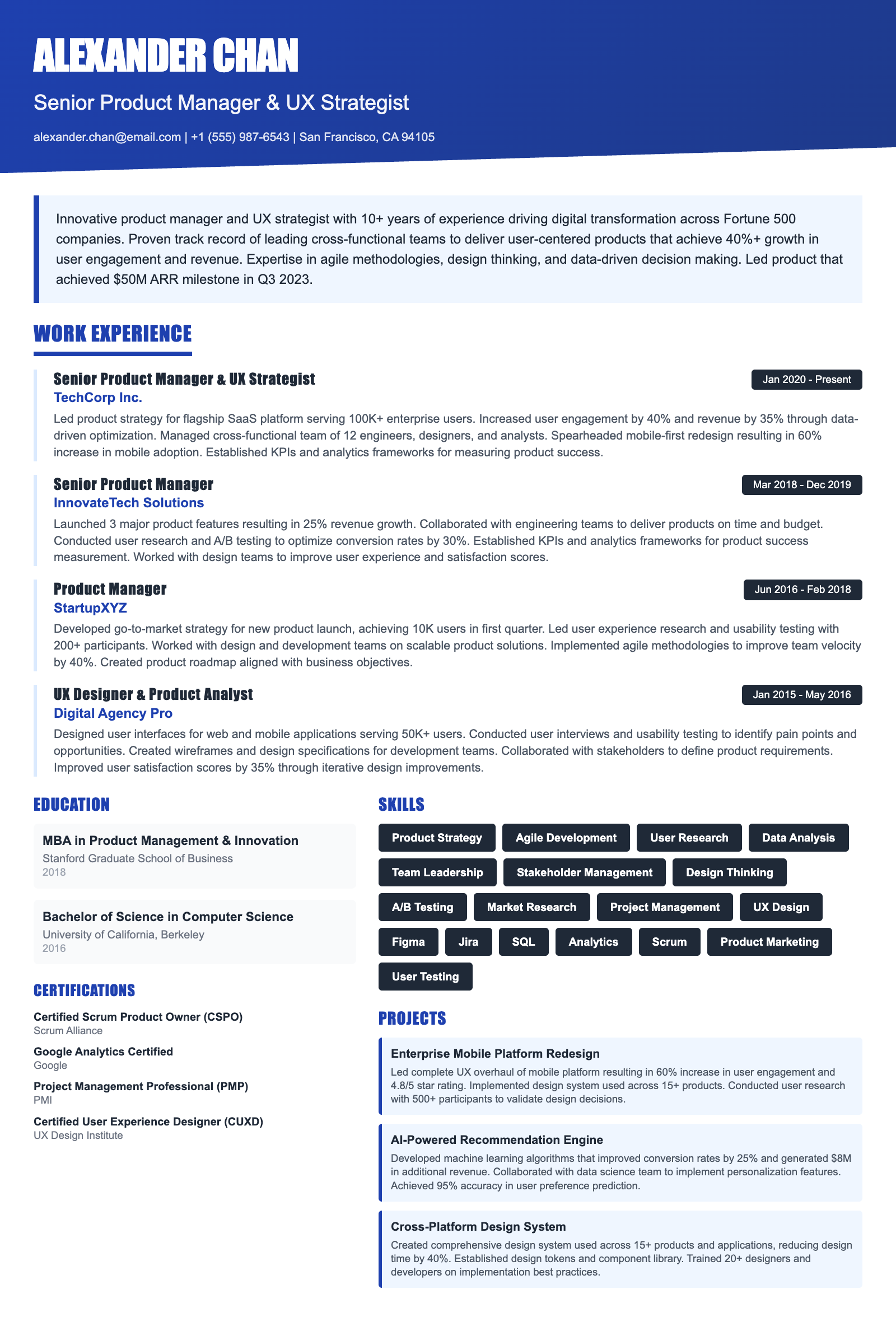
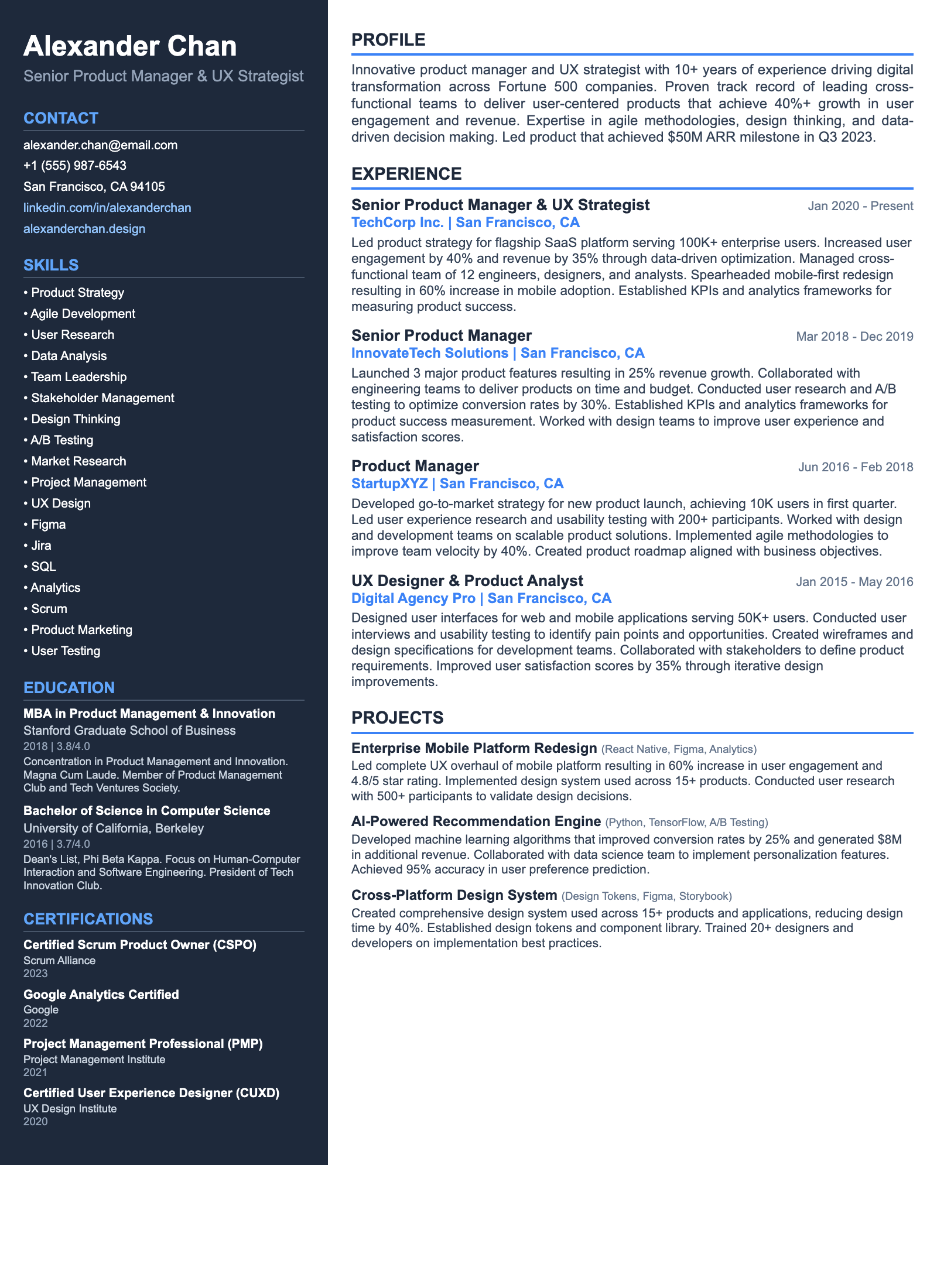
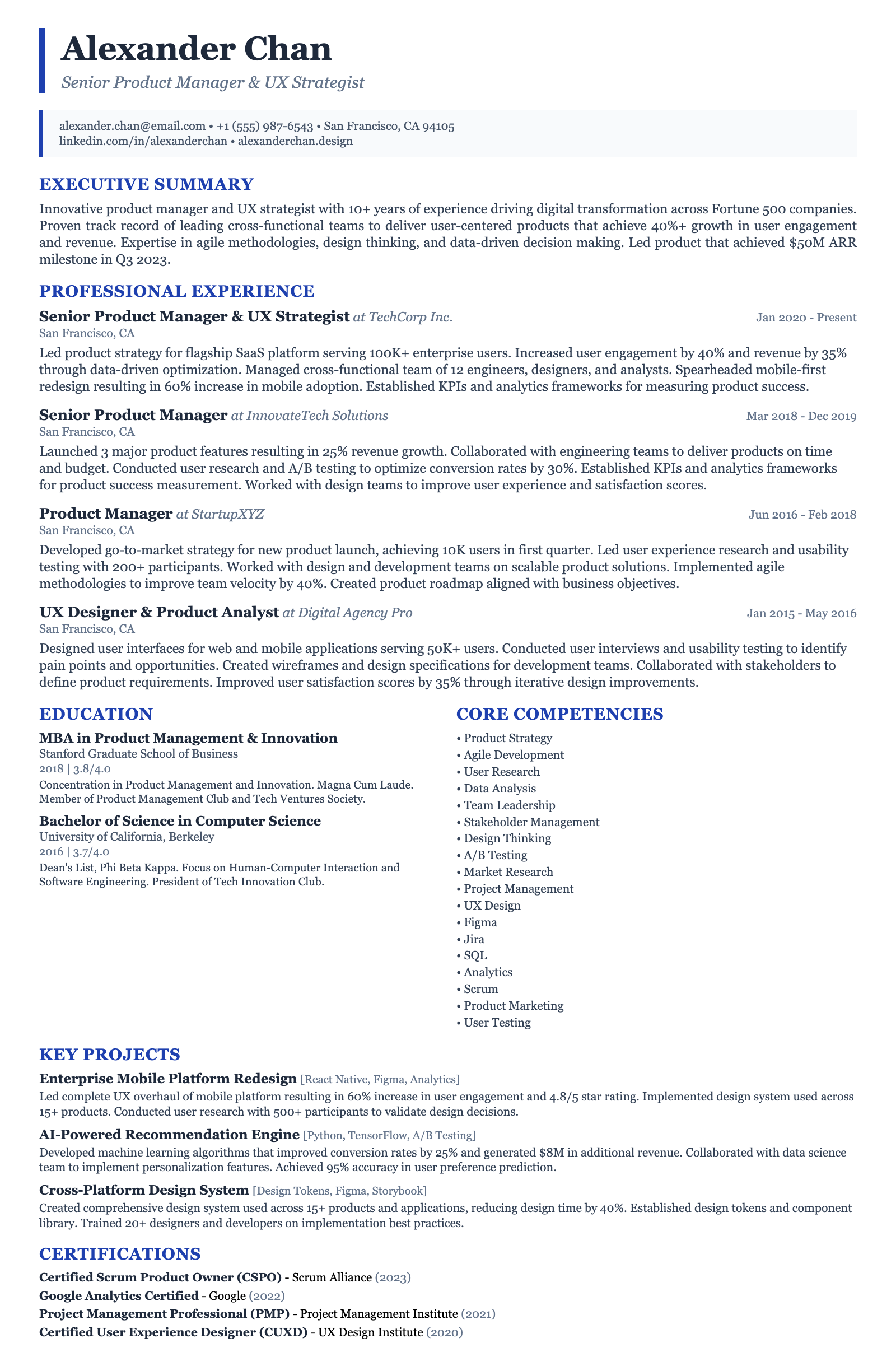
Recommended Resume Templates
ATS-friendly templates designed specifically for Junior Manufacturing Data Analyst positions in the US market.
Frequently Asked Questions
What are the key skills needed for a Junior Manufacturing Data Analyst role?
The key skills include strong analytical and problem-solving abilities, proficiency in data analysis tools like SQL and Python, excellent communication skills, and a basic understanding of manufacturing processes.
What is the typical career path for a Manufacturing Data Analyst?
The typical career path progresses from Junior Analyst to Analyst, Senior Analyst, Data Science Manager, and potentially Director of Data Analytics, depending on the company and individual's career goals.
What kind of projects can a Junior Manufacturing Data Analyst expect to work on?
You can expect to work on projects such as analyzing production data to identify bottlenecks, developing predictive models to forecast demand, and creating dashboards to monitor key performance indicators.
Is prior manufacturing experience required for this role?
While prior manufacturing experience is a plus, it is not always required. A strong foundation in data analysis and a willingness to learn are often more important.
What are some common tools used by Manufacturing Data Analysts?
Common tools include SQL, Python (Pandas, NumPy), data visualization software like Tableau and Power BI, statistical software like R or SAS, and Excel.
How important is communication in this role?
Communication is crucial. You'll need to effectively communicate your findings to stakeholders with varying levels of technical expertise.
What is the work environment like for a Manufacturing Data Analyst?
The work environment is typically a combination of office work and collaboration with manufacturing teams on the shop floor. You may need to spend time in the manufacturing facility to understand the processes and collect data.
What are the opportunities for growth in this field?
The field of data analytics is rapidly growing, and there are excellent opportunities for growth in manufacturing. As you gain experience, you can specialize in areas such as predictive maintenance, process optimization, or supply chain analytics.
Ready to Build Your Junior Manufacturing Data Analyst Resume?
Use our AI-powered resume builder to create an ATS-optimized resume tailored for Junior Manufacturing Data Analyst positions in the US market.