Launch Your Career: Junior Legal UX Designer Role
Are you a budding UX designer with a passion for law? Join a dynamic team and contribute to user-centered legal solutions in the US. We're seeking a creative and detail-oriented Junior Legal UX Designer to shape the future of legal technology.
Essential Skills for Junior Legal UX Designer
Include these keywords in your resume to pass ATS screening and impress recruiters.
Must-Have Skills
- Communication
- Time Management
- Empathy
- Problem Solving
- Attention to Detail
Technical Skills
- Figma
- Sketch
- Adobe Creative Suite
- UserTesting.com
- Prototyping Tools (e.g., InVision)
Soft Skills
A Day in the Life
A typical day as a Junior Legal UX Designer begins with a team stand-up meeting to discuss project progress and address any roadblocks. Afterwards, I might dive into user research, analyzing data from recent usability tests to identify areas for improvement in our legal software's interface. A significant portion of my day is spent wireframing new features or iterating on existing designs based on user feedback. I collaborate closely with the development team, providing them with detailed design specifications and answering any questions they may have. I also dedicate time to staying updated on the latest UX trends and legal tech innovations, attending webinars or reading industry articles. In the afternoon, I might participate in a design review session, presenting my work to senior designers and receiving constructive criticism. Before wrapping up for the day, I prioritize organizing my tasks and planning for the next day's activities, ensuring that I am on track to meet project deadlines and deliver high-quality user experiences.
Career Progression Path
Junior Legal UX Designer
Legal UX Designer
Senior Legal UX Designer
Legal UX Lead
Legal UX Manager
Director of Legal UX
Interview Questions & Answers
Prepare for your Junior Legal UX Designer interview with these commonly asked questions.
Tell me about a time you had to simplify a complex process for users.
MediumSituation: I was tasked with redesigning the client onboarding process for a legal document automation tool. Task: The existing process was lengthy and confusing, leading to high drop-off rates. Action: I conducted user interviews to understand their pain points, then created a simplified, step-by-step onboarding flow with clear instructions and visual aids. Result: The new onboarding process reduced drop-off rates by 30% and significantly improved user satisfaction. Difficulty: Medium
How do you stay updated on the latest UX design trends and technologies?
EasyI actively follow industry blogs, attend webinars, and participate in online communities. I also experiment with new tools and techniques on personal projects to stay ahead of the curve. I make sure to check out publications like UX Magazine and Nielsen Norman Group's website regularly.
Describe your experience with user research methods.
MediumI have experience conducting user interviews, surveys, and usability testing. I'm familiar with both qualitative and quantitative research methods. For example, in a previous project, I used A/B testing to optimize the placement of call-to-action buttons, resulting in a 15% increase in conversions.
What are some of the unique challenges of designing for the legal industry?
MediumDesigning for the legal industry requires a deep understanding of legal terminology, processes, and regulations. It's important to prioritize accuracy, clarity, and compliance in all design decisions. Accessibility is also crucial, as many legal users may have disabilities.
How do you handle conflicting feedback from stakeholders?
HardI listen carefully to all feedback and try to understand the underlying concerns. I then present data and research to support my design decisions. If necessary, I facilitate a collaborative discussion to find a solution that meets the needs of all stakeholders. I also push back when necessary, especially if feedback compromises usability.
Tell me about a time you had to advocate for the user.
HardSituation: During the design of a new feature for a legal case management system, the development team prioritized technical feasibility over user experience. Task: I had to convince the team to prioritize usability. Action: I presented user research data and demonstrated how the proposed design would negatively impact user workflows and efficiency. Result: The team agreed to modify the design to better meet user needs, resulting in a more user-friendly and effective feature. Difficulty: Hard
What design tools are you proficient in?
EasyI am proficient in Figma, Sketch, Adobe Creative Suite (Photoshop, Illustrator, InDesign), and various prototyping tools like InVision and Adobe XD. I am also comfortable with user testing platforms like UserTesting.com.
Why are you interested in Legal UX design?
EasyI am passionate about using my design skills to make a positive impact on the legal industry. I believe that user-centered design can help make legal processes more accessible, efficient, and transparent for both legal professionals and the general public. I find the complexity of the legal field to be a stimulating design challenge.
ATS Optimization Tips
Make sure your resume passes Applicant Tracking Systems used by US employers.
Use standard section headings: 'Professional Experience' not 'Where I've Worked'
Include exact job title from the posting naturally in your resume
Add a Skills section with Legal-relevant keywords from the job description
Save as .docx or .pdf (check the application instructions)
Avoid tables, text boxes, headers/footers, and images - these confuse ATS parsers
Common Resume Mistakes to Avoid
Don't make these errors that get resumes rejected.
Generic portfolio lacking legal UX examples.
Inadequate understanding of legal industry challenges.
Poorly formatted resume; difficult to read.
Lack of demonstrable user research skills.
Focus on aesthetics over usability and accessibility.
Industry Outlook
The US market for Junior Legal UX Designer professionals remains highly competitive. Recruiters and ATS systems prioritize action verbs, quantifiable outcomes (e.g., "Reduced latency by 40%", "Led a team of 8"), and clear alignment with job descriptions. Candidates who demonstrate measurable impact and US-relevant certifications—coupled with a one-page, no-photo resume—see significantly higher callback rates in major hubs like California, Texas, and New York.
Top Hiring Companies
Recommended Resume Templates
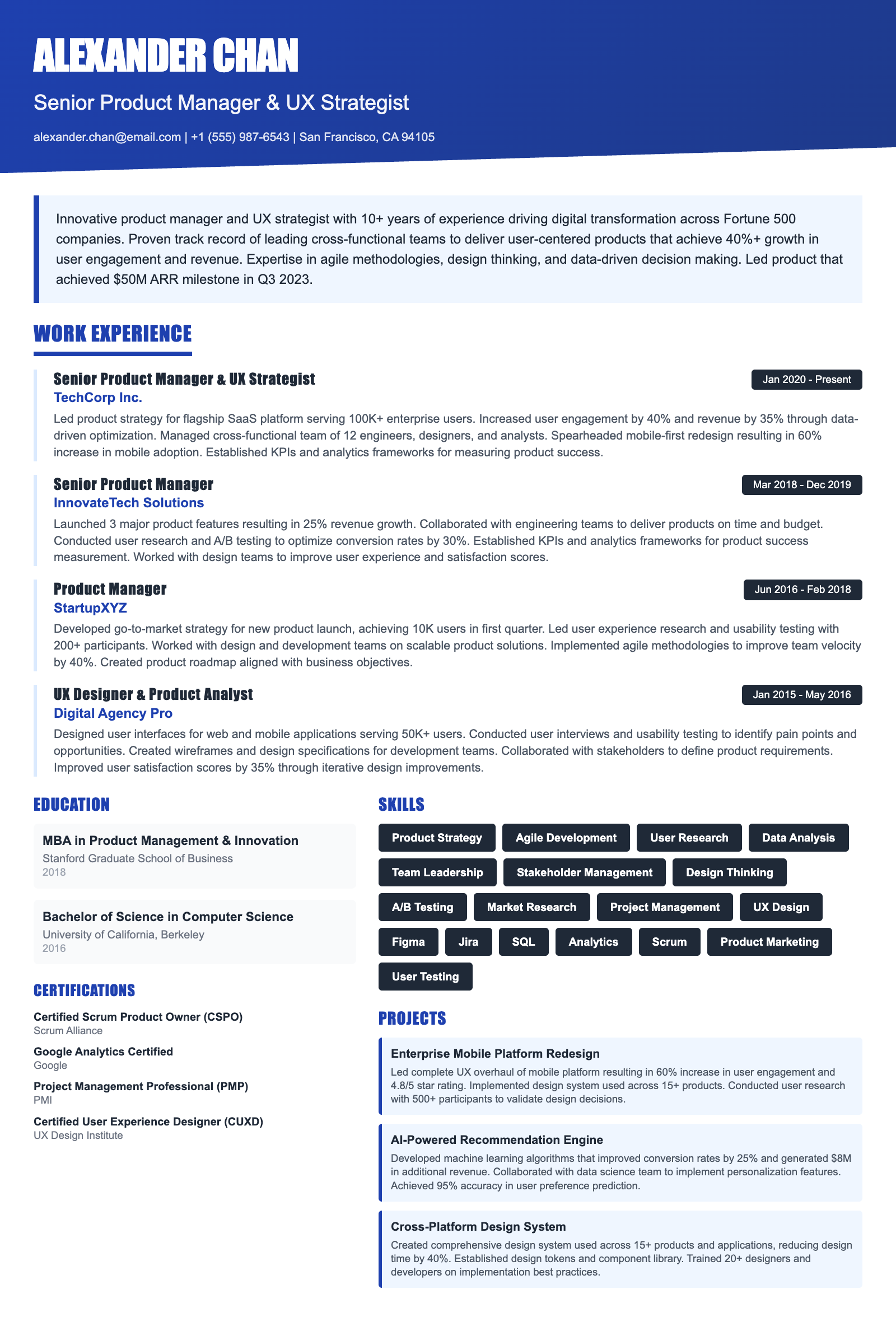
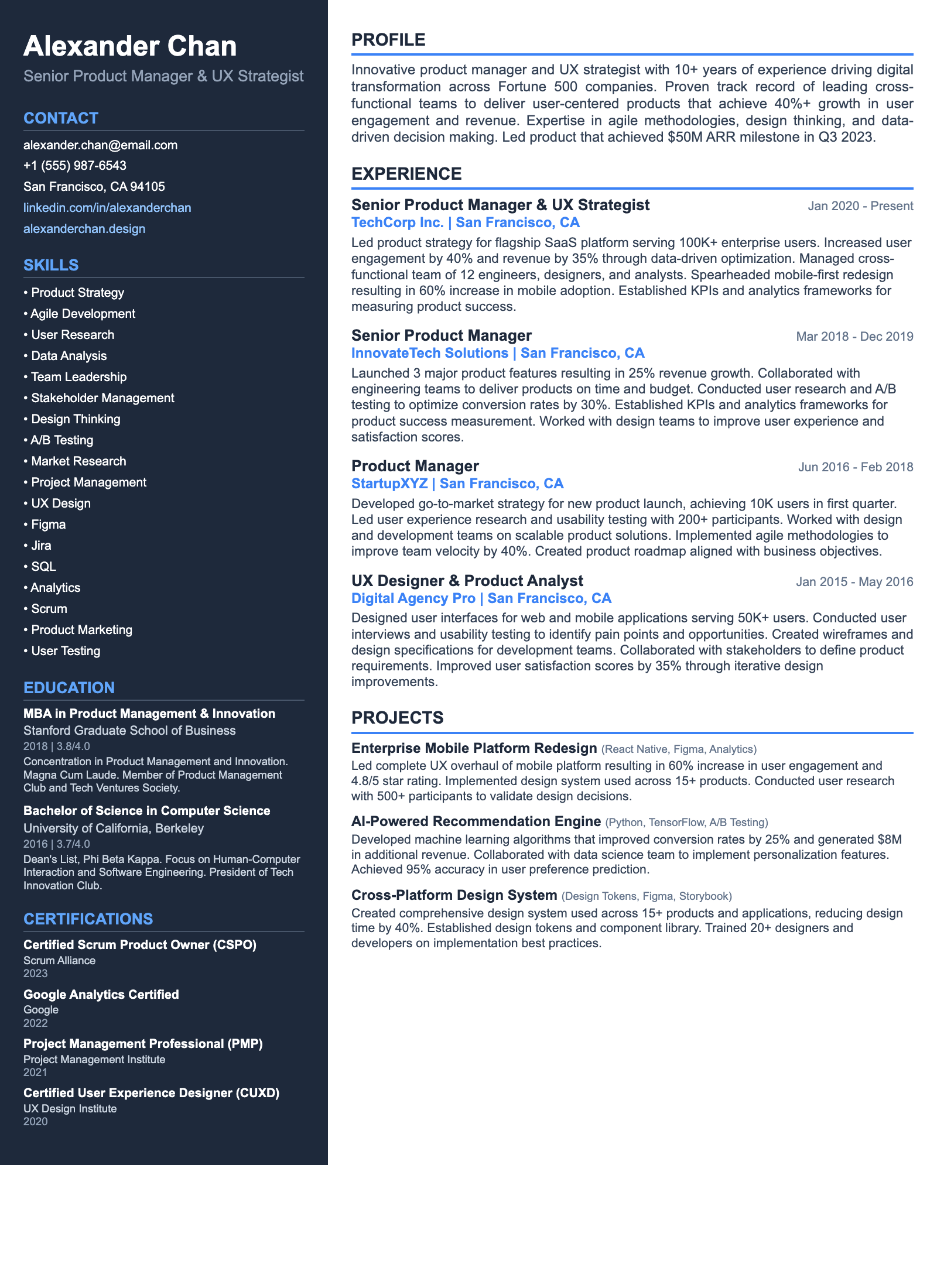
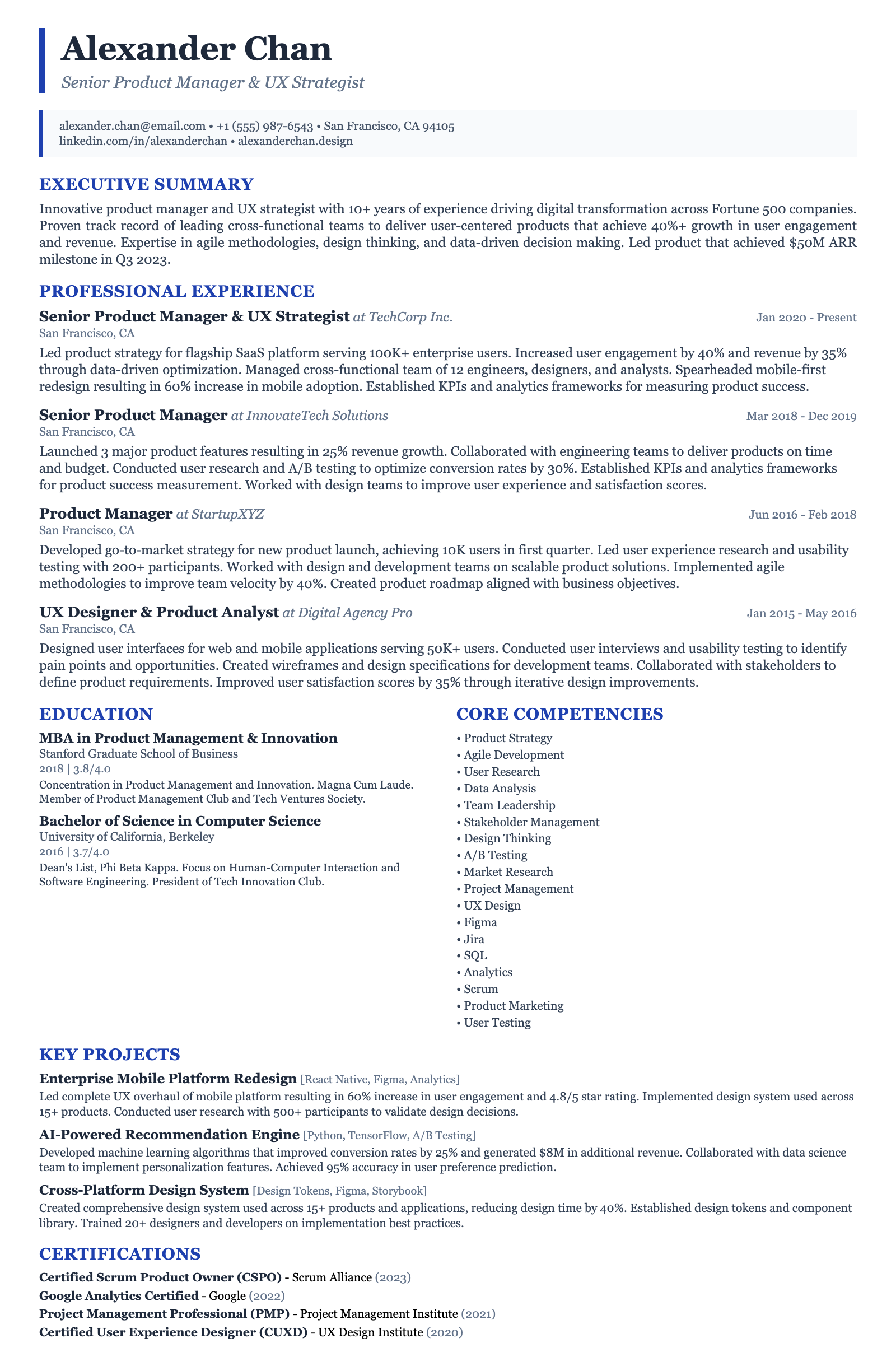
ATS-friendly templates designed specifically for Junior Legal UX Designer positions in the US market.
Frequently Asked Questions
What skills are most important for a Junior Legal UX Designer?
Strong communication, user empathy, attention to detail, and proficiency in design tools are crucial. A basic understanding of legal terminology is also helpful.
Is a legal background required for this role?
While a legal background is a plus, it's not typically required. A strong understanding of UX principles and a willingness to learn about the legal industry are more important.
What are the career prospects for a Legal UX Designer?
The legal tech industry is growing rapidly, offering excellent career opportunities for UX designers. You can advance to senior designer, lead designer, or management roles.
What types of projects will I be working on?
You'll be working on a variety of projects, including designing interfaces for legal software, improving user flows for legal processes, and conducting user research to understand legal user needs.
How important is accessibility in legal UX design?
Accessibility is extremely important. Legal software must be accessible to users with disabilities to comply with regulations and ensure equal access to justice.
What is the work environment like?
The work environment is typically collaborative and fast-paced. You'll be working closely with developers, product managers, and legal professionals.
What is the best way to prepare for an interview?
Research the company and the legal tech industry. Prepare examples of your work that demonstrate your UX skills and your understanding of user-centered design. Practice answering common interview questions using the STAR method.
Are there any specific legal UX design resources I should check out?
Yes, explore resources focusing on plain language in legal documents and legal design principles. Also, follow thought leaders in the legal UX space on LinkedIn and Twitter.
Ready to Build Your Junior Legal UX Designer Resume?
Use our AI-powered resume builder to create an ATS-optimized resume tailored for Junior Legal UX Designer positions in the US market.