Junior Legal Software Engineer: Launch Your Career!
In the US job market, recruiters spend seconds scanning a resume. They look for impact (metrics), clear tech or domain skills, and education. This guide helps you build an ATS-friendly Junior Legal Software Engineer resume that passes filters used by top US companies. Use US Letter size, one page for under 10 years experience, and no photo.
Essential Skills for Junior Legal Software Engineer
Include these keywords in your resume to pass ATS screening and impress recruiters.
Must-Have Skills
- Communication
- Problem-Solving
- Time Management
- Teamwork
- Adaptability
Technical Skills
- Python
- Java
- SQL
- Git
- REST APIs
Soft Skills
A Day in the Life
My day begins with a quick team stand-up where we discuss progress on current sprint tasks and any roadblocks encountered. I then dive into coding, working on a feature for our contract management system, focusing on integrating a new API for automated clause extraction. A significant portion of my morning is dedicated to writing unit tests to ensure the reliability of my code. After lunch, I collaborate with a senior engineer on debugging a tricky issue related to data migration. We use screen sharing and pair programming techniques to efficiently identify and resolve the problem. The afternoon also involves reviewing code submitted by other team members, providing constructive feedback to improve code quality and maintain consistency. I end my day by documenting the work I've completed and planning for the next day's tasks, ensuring a smooth transition and clear objectives for tomorrow.
Career Progression Path
Junior Legal Software Engineer
Legal Software Engineer
Senior Legal Software Engineer
Team Lead / Engineering Manager
Principal Engineer / Architect
Interview Questions & Answers
Prepare for your Junior Legal Software Engineer interview with these commonly asked questions.
Tell me about a time you faced a challenging technical problem. How did you approach it?
MediumIn my previous project, we encountered a performance bottleneck in our data processing pipeline. The system was taking significantly longer than expected to process large datasets. First, I used profiling tools to identify the slowest parts of the code. Then, I experimented with different optimization techniques, such as caching, parallel processing, and algorithm optimization. Finally, I was able to reduce the processing time by 40% by implementing a more efficient algorithm and optimizing database queries. This experience taught me the importance of thorough analysis and systematic problem-solving.
Describe your experience with version control systems like Git.
EasyI have extensive experience using Git for version control. I'm proficient in using Git for branching, merging, and resolving conflicts. In my previous role, I used Git extensively to collaborate with other developers on a large codebase. I also used Git to manage releases and hotfixes. I am comfortable with Git workflows like Gitflow and Feature Branching and understand the importance of writing clear commit messages.
Explain the concept of object-oriented programming (OOP).
MediumObject-oriented programming is a programming paradigm based on the concept of "objects", which contain data and methods that operate on that data. Key principles include encapsulation (bundling data and methods within a class), inheritance (creating new classes based on existing ones), and polymorphism (the ability of an object to take on many forms). OOP promotes code reusability, modularity, and maintainability.
How do you handle conflicting priorities and tight deadlines?
MediumWhen faced with conflicting priorities, I first try to understand the relative importance and urgency of each task. I communicate with stakeholders to clarify expectations and negotiate deadlines if necessary. I then create a prioritized task list and break down large tasks into smaller, manageable steps. I also use time management techniques like the Pomodoro Technique to stay focused and productive. Regular communication with my team and manager is crucial to ensure everyone is aligned and aware of any potential delays.
What interests you about the legal tech industry?
EasyI'm fascinated by the potential of technology to transform the legal industry and make legal services more accessible and efficient. I believe that software can play a crucial role in automating repetitive tasks, improving data analysis, and enhancing collaboration between legal professionals. I'm excited to contribute my skills to develop innovative solutions that address real-world legal challenges.
Describe a time you had to learn a new technology quickly. What was your approach?
MediumRecently, I needed to learn React for a new project. My approach was to start with online tutorials and documentation to grasp the fundamentals of the framework. I then built a small personal project to practice my skills and reinforce my understanding. I also sought guidance from more experienced developers on my team and actively participated in online forums to troubleshoot issues. Within a few weeks, I was able to contribute effectively to the project using React.
How familiar are you with database design principles and SQL?
MediumI have a solid understanding of relational database design principles, including normalization, indexing, and data integrity. I am proficient in writing SQL queries to retrieve, insert, update, and delete data. I've worked with databases like MySQL and PostgreSQL in previous projects. I also understand the importance of optimizing queries for performance and ensuring data security.
Explain the difference between testing methodologies like unit, integration, and system testing.
MediumUnit testing focuses on testing individual components or functions in isolation to ensure they work as expected. Integration testing verifies that different modules or services work together correctly. System testing evaluates the entire system to ensure it meets the specified requirements and performs as expected in a real-world environment. Each testing methodology plays a crucial role in ensuring the quality and reliability of the software.
ATS Optimization Tips
Make sure your resume passes Applicant Tracking Systems used by US employers.
Use standard section headings: 'Professional Experience' not 'Where I've Worked'
Include exact job title from the posting naturally in your resume
Add a Skills section with Legal-relevant keywords from the job description
Save as .docx or .pdf (check the application instructions)
Avoid tables, text boxes, headers/footers, and images - these confuse ATS parsers
Common Resume Mistakes to Avoid
Don't make these errors that get resumes rejected.
Lack of quantifiable achievements in previous roles.
Omitting relevant projects or open-source contributions.
Poorly formatted resume with grammatical errors.
Failing to tailor the resume to the specific job description.
Insufficiently highlighting technical skills and experience.
Industry Outlook
The US market for Junior Legal Software Engineer professionals remains highly competitive. Recruiters and ATS systems prioritize action verbs, quantifiable outcomes (e.g., "Reduced latency by 40%", "Led a team of 8"), and clear alignment with job descriptions. Candidates who demonstrate measurable impact and US-relevant certifications—coupled with a one-page, no-photo resume—see significantly higher callback rates in major hubs like California, Texas, and New York.
Top Hiring Companies
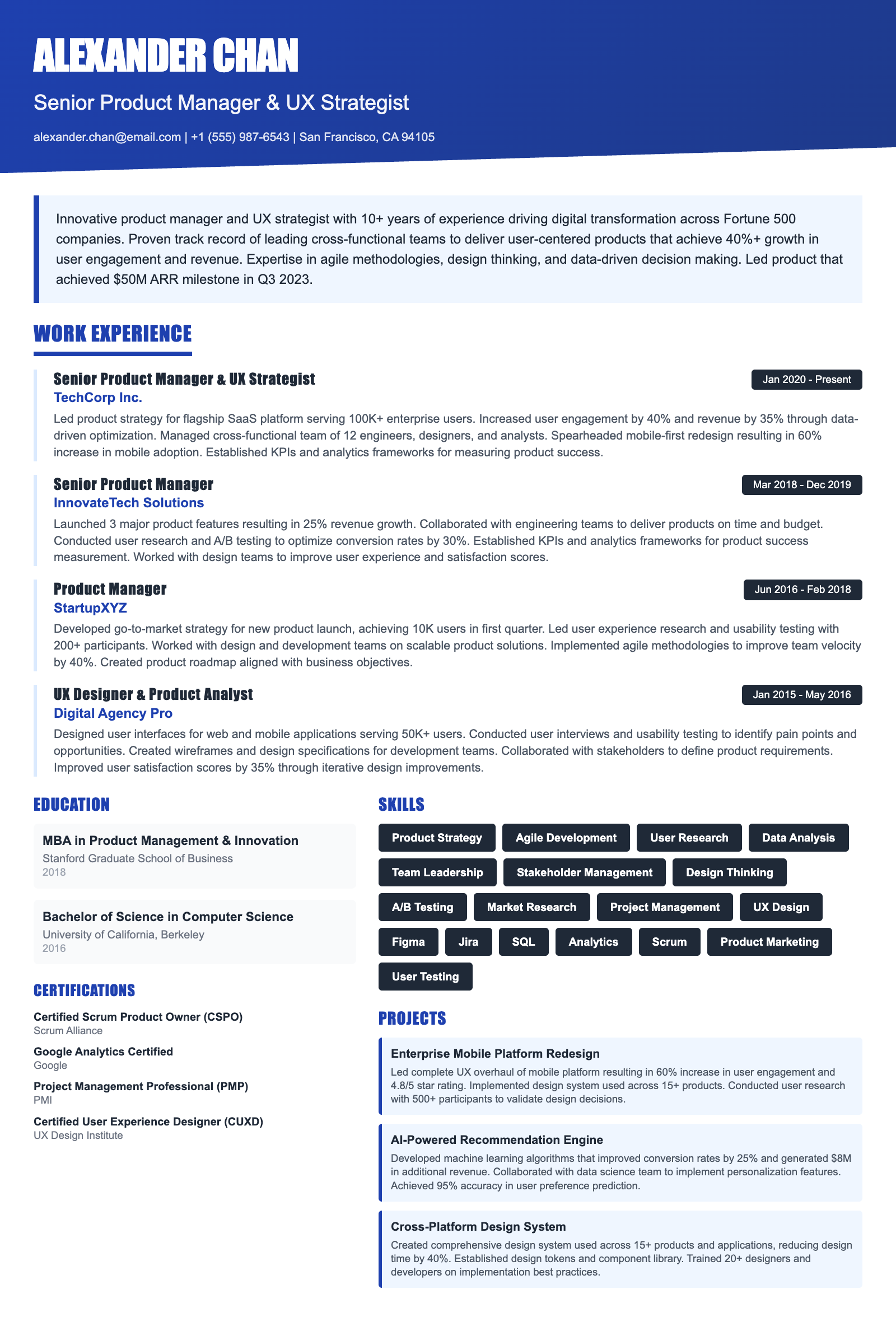
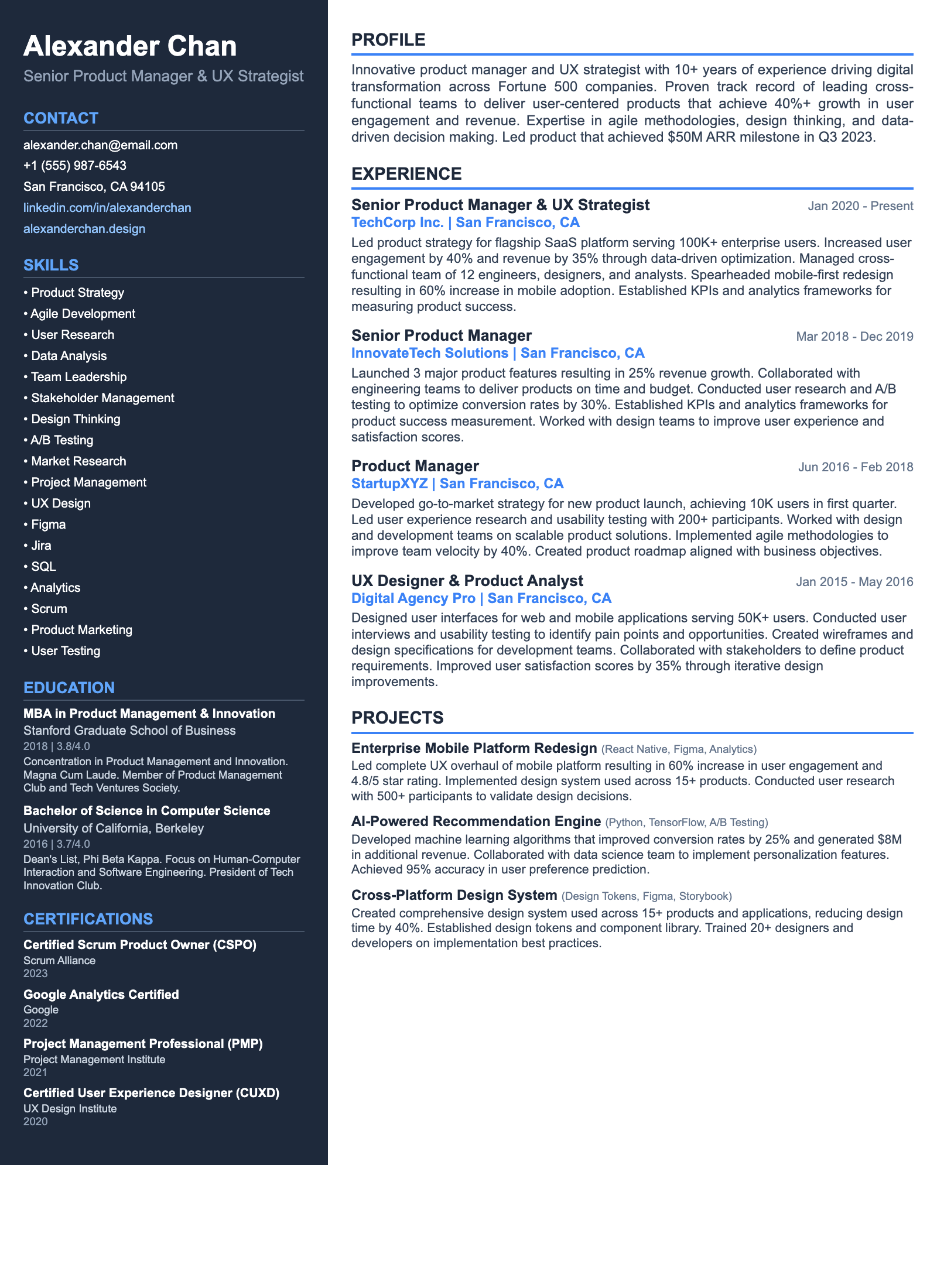
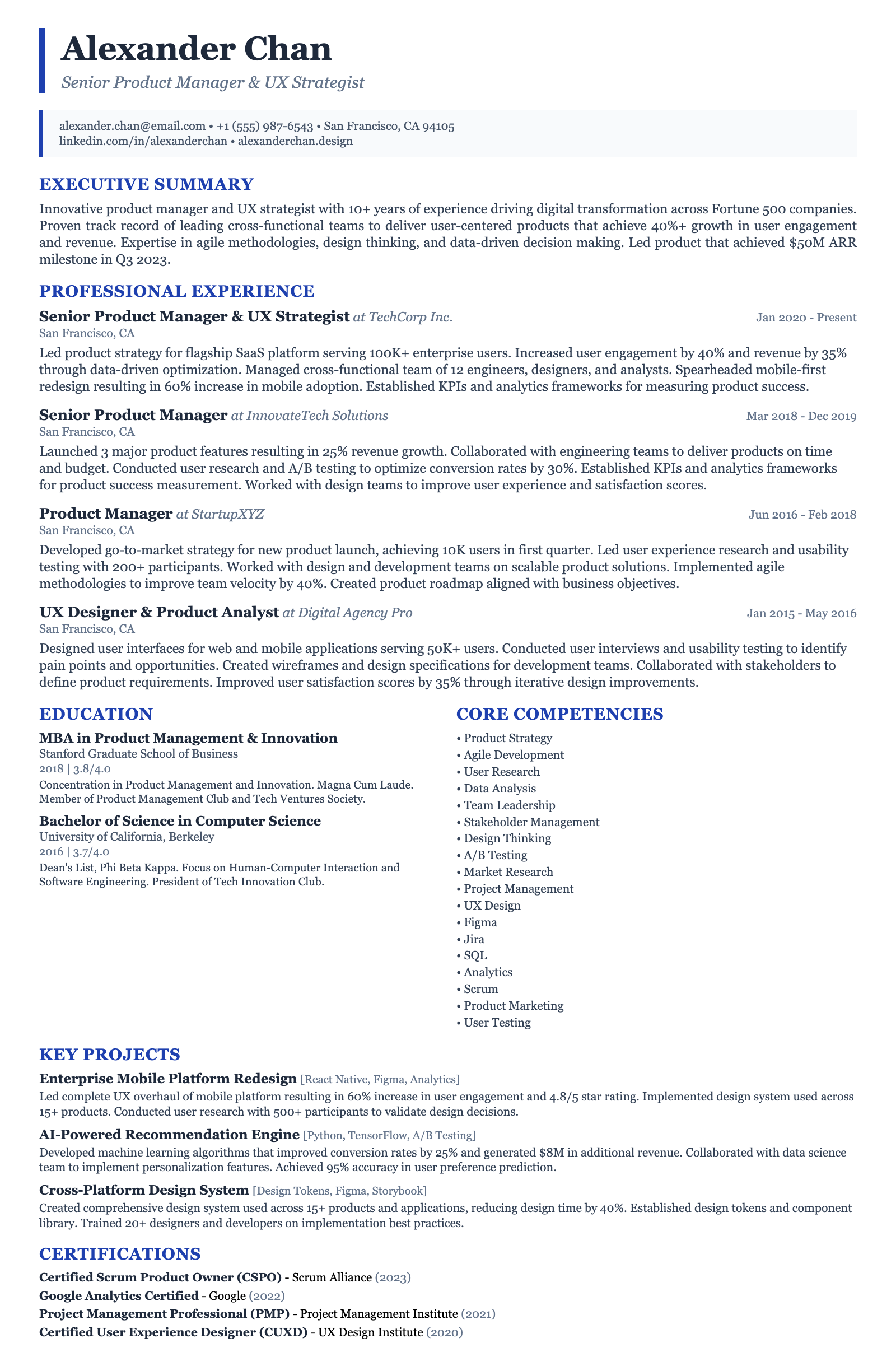
Recommended Resume Templates
ATS-friendly templates designed specifically for Junior Legal Software Engineer positions in the US market.
Frequently Asked Questions
What programming languages are most commonly used in legal tech?
Common languages include Python, Java, C++, and JavaScript. Python is often used for data analysis and machine learning, while Java and C++ are used for building robust and scalable applications. JavaScript is essential for front-end development.
What are the essential skills for a junior legal software engineer?
Strong problem-solving skills, proficiency in programming languages, understanding of data structures and algorithms, knowledge of database management, and excellent communication skills are crucial. A willingness to learn about the legal domain is also highly valuable.
Is prior legal experience required for this role?
While prior legal experience is not always required, a strong interest in the legal field and a willingness to learn about legal processes and terminology is highly desirable. Some companies offer training programs to help engineers develop legal domain knowledge.
What are the typical career paths for legal software engineers?
Typical career paths include progressing from junior to senior engineering roles, specializing in specific areas of legal tech, moving into technical leadership positions, or transitioning into product management or architecture roles.
What kind of projects might I work on as a junior legal software engineer?
You might work on projects related to e-discovery, contract management, legal research, document automation, or compliance. These projects could involve developing new features, fixing bugs, optimizing performance, or integrating with third-party services.
How important is teamwork in this role?
Teamwork is essential in this role. You will be working closely with other engineers, product managers, and legal professionals. Effective communication, collaboration, and a willingness to share knowledge are crucial for success.
What is the work environment like for legal software engineers?
The work environment is typically fast-paced and dynamic, with a focus on innovation and problem-solving. You will be working in a collaborative environment with other talented engineers and legal professionals. Many legal tech companies offer flexible work arrangements and opportunities for professional development.
How can I prepare for a technical interview for this role?
Practice coding problems on platforms like LeetCode and HackerRank. Review data structures and algorithms. Brush up on your knowledge of database management and SQL. Be prepared to discuss your previous projects and explain your problem-solving approach. Research the company and the specific technologies they use.
Ready to Build Your Junior Legal Software Engineer Resume?
Use our AI-powered resume builder to create an ATS-optimized resume tailored for Junior Legal Software Engineer positions in the US market.