Junior Legal Graphic Designer: Design Your Legal Career!
In the US job market, recruiters spend seconds scanning a resume. They look for impact (metrics), clear tech or domain skills, and education. This guide helps you build an ATS-friendly Junior Legal Graphic Designer resume that passes filters used by top US companies. Use US Letter size, one page for under 10 years experience, and no photo.
Essential Skills for Junior Legal Graphic Designer
Include these keywords in your resume to pass ATS screening and impress recruiters.
Must-Have Skills
- Communication
- Time Management
- Teamwork
- Adaptability
- Attention to Detail
Technical Skills
- Adobe Creative Suite (Photoshop, Illustrator, InDesign)
- Microsoft PowerPoint
- Data Visualization Software (Tableau, Power BI)
- Motion Graphics Software (After Effects)
- UI/UX Design Principles
Soft Skills
A Day in the Life
A typical day as a Junior Legal Graphic Designer starts with reviewing project briefs from attorneys or marketing managers. You might spend the morning brainstorming visual concepts for a complex fraud case, sketching out ideas for a compelling opening statement exhibit. After lunch, you'll transition to designing infographics for a law firm's website, ensuring they are ADA compliant and mobile-friendly. The afternoon could involve creating a presentation deck for a major client meeting, meticulously formatting slides and incorporating persuasive visuals. Throughout the day, you'll collaborate with legal professionals, seeking feedback and refining your designs to meet their specific needs. You'll also spend time researching legal design trends and exploring new software features to enhance your skills and improve your workflow. Staying organized and managing your time effectively is crucial, as you'll often be juggling multiple projects with tight deadlines, all while contributing to a visually cohesive and impactful brand presence for the firm.
Career Progression Path
Junior Legal Graphic Designer
Legal Graphic Designer
Senior Legal Graphic Designer
Art Director (Legal)
Creative Director (Legal)
Interview Questions & Answers
Prepare for your Junior Legal Graphic Designer interview with these commonly asked questions.
Describe a time you had to explain a complex concept visually. What was the concept, and how did you approach the design?
MediumI once had to create an infographic explaining the concept of 'piercing the corporate veil' for a presentation to potential investors. The legal definition is quite dense, so I broke it down into four key steps, each represented by a distinct visual metaphor. I used a layered image of a company, with each layer representing a different aspect of corporate structure. The 'veil' was a transparent layer, and I showed how certain actions could 'pierce' it, exposing the individuals behind the company. The audience found the infographic very helpful in understanding the concept, and it led to a lively discussion.
How do you stay updated with the latest design trends and software updates?
EasyI regularly follow design blogs like Awwwards and Creative Bloq. I also subscribe to Adobe Creative Cloud and take advantage of their tutorials and webinars to learn about new features and techniques. Additionally, I participate in online design communities and attend industry conferences whenever possible.
Tell me about a time you had to work under pressure to meet a tight deadline. How did you handle it?
MediumIn my previous internship, I was tasked with creating a series of trial exhibits for a high-profile case with a very short turnaround time. To manage the pressure, I first prioritized the most critical exhibits and broke down the project into smaller, manageable tasks. I communicated regularly with the legal team to ensure I was on the right track and to address any questions or concerns promptly. I also stayed late to complete the work, ensuring all exhibits were delivered on time and met the required quality standards. I learned the importance of effective time management and communication in high-pressure situations.
How do you ensure your designs are accessible to individuals with disabilities?
MediumI adhere to WCAG (Web Content Accessibility Guidelines) when designing any visual materials. This includes using sufficient color contrast, providing alternative text for images, using clear and concise language, and ensuring that all elements are navigable using assistive technologies. I also test my designs with screen readers to ensure they are fully accessible.
Describe your experience with data visualization. What tools have you used, and how do you approach presenting data in a clear and engaging way?
MediumI have experience using tools like Tableau and Microsoft Excel to create data visualizations. My approach involves first understanding the data and identifying the key insights that need to be communicated. Then, I choose the appropriate chart type (e.g., bar chart, pie chart, line graph) to best represent the data. I pay attention to visual hierarchy, using color, size, and placement to guide the viewer's eye and highlight the most important information. I also add clear labels and annotations to make the data easy to understand.
Why are you interested in working as a graphic designer in the legal field?
EasyI am drawn to the challenge of transforming complex legal information into visually compelling and easily digestible content. I believe that effective visual communication is crucial in the legal field, and I am excited to contribute my design skills to help legal professionals communicate their arguments more effectively. I also find the legal industry to be intellectually stimulating and appreciate the opportunity to learn about different areas of law through my work.
What is your understanding of intellectual property and copyright laws as they relate to graphic design?
MediumI understand that all original graphic designs are automatically protected by copyright law. I am aware of the importance of obtaining proper licenses for any fonts, images, or other assets that I use in my designs. I also understand the concept of fair use and know when it is permissible to use copyrighted material without permission. I am committed to respecting intellectual property rights and ensuring that all my designs are legally compliant.
ATS Optimization Tips
Make sure your resume passes Applicant Tracking Systems used by US employers.
Use standard section headings: 'Professional Experience' not 'Where I've Worked'
Include exact job title from the posting naturally in your resume
Add a Skills section with Legal-relevant keywords from the job description
Save as .docx or .pdf (check the application instructions)
Avoid tables, text boxes, headers/footers, and images - these confuse ATS parsers
Common Resume Mistakes to Avoid
Don't make these errors that get resumes rejected.
Omitting a portfolio showcasing relevant legal design work.
Failing to demonstrate understanding of legal terminology.
Lack of quantifiable results in resume bullet points.
Poor formatting and visual presentation of the resume itself.
Neglecting to tailor the resume to each specific job application.
Industry Outlook
The US market for Junior Legal Graphic Designer professionals remains highly competitive. Recruiters and ATS systems prioritize action verbs, quantifiable outcomes (e.g., "Reduced latency by 40%", "Led a team of 8"), and clear alignment with job descriptions. Candidates who demonstrate measurable impact and US-relevant certifications—coupled with a one-page, no-photo resume—see significantly higher callback rates in major hubs like California, Texas, and New York.
Top Hiring Companies
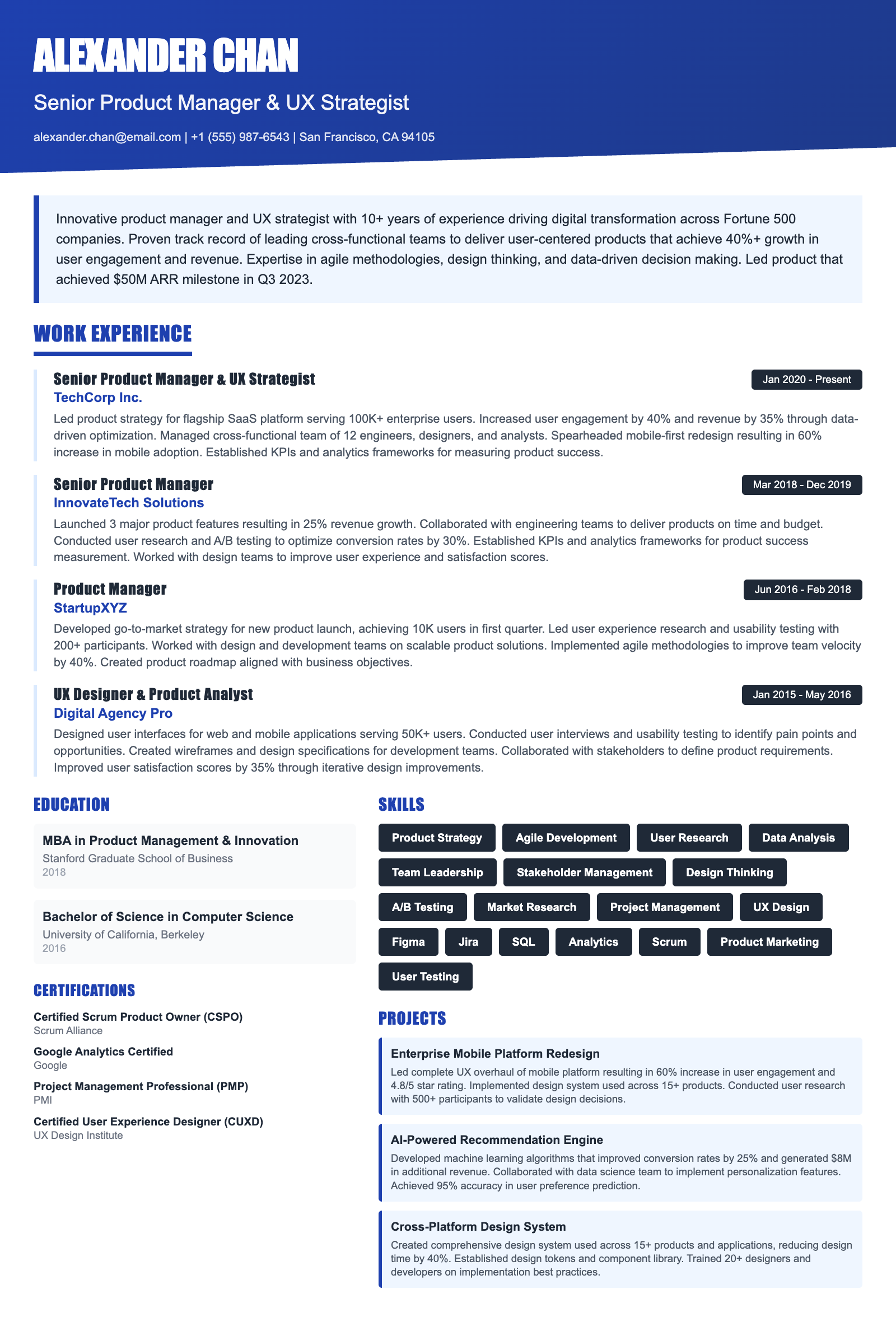
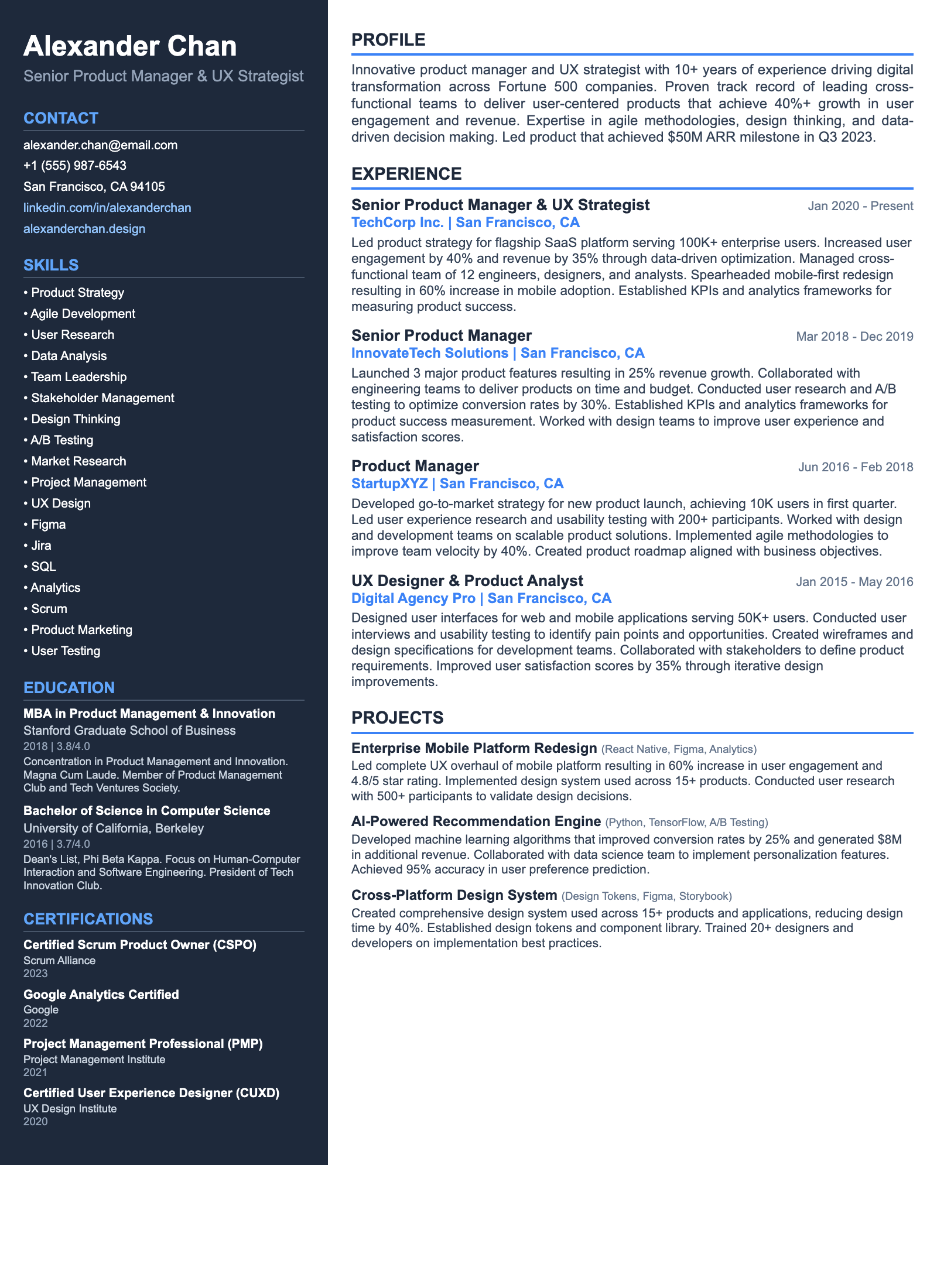
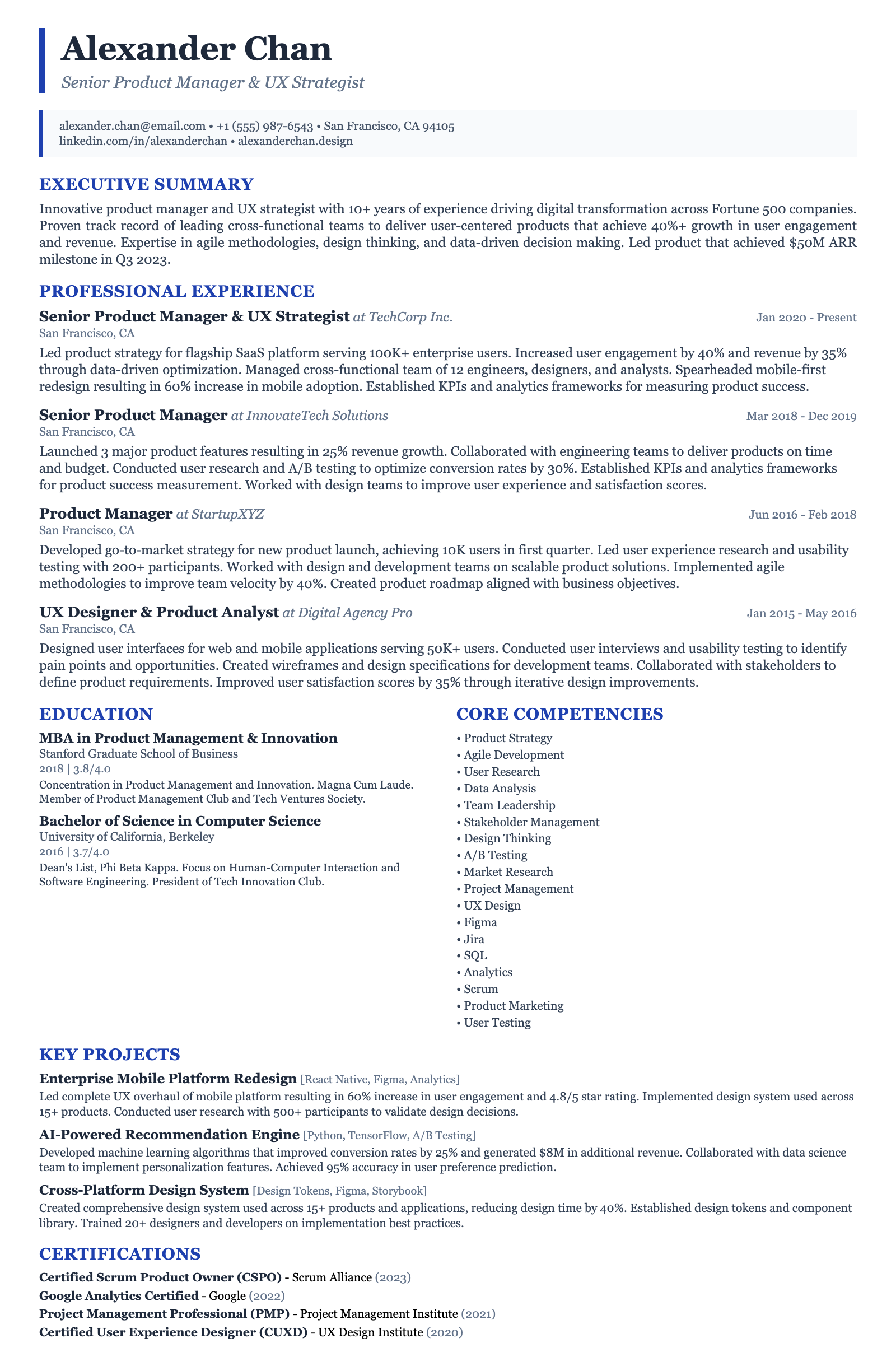
Recommended Resume Templates
ATS-friendly templates designed specifically for Junior Legal Graphic Designer positions in the US market.
Frequently Asked Questions
What software skills are most important for a Junior Legal Graphic Designer?
Proficiency in Adobe Creative Suite (Photoshop, Illustrator, InDesign) is essential. Knowledge of data visualization tools like Tableau and PowerPoint is also highly valuable.
Is a legal background required for this role?
No, a formal legal background is not typically required. However, a willingness to learn about legal concepts and terminology is crucial. Some employers might prefer candidates with coursework or experience in legal studies.
What type of portfolio should I have?
Your portfolio should showcase your design skills and highlight any experience you have creating visuals for legal or technical subjects. Include examples of infographics, presentations, trial exhibits, and marketing materials.
What are the typical career progression opportunities?
With experience, you can advance to roles such as Legal Graphic Designer, Senior Legal Graphic Designer, Art Director (Legal), or Creative Director (Legal). You may also have opportunities to specialize in areas such as trial graphics or legal marketing.
How important is attention to detail in this role?
Attention to detail is extremely important. Legal documents and exhibits must be accurate and error-free. Even small errors can have significant consequences.
What is the work environment like?
You'll likely work in an office setting, collaborating with attorneys, paralegals, and marketing teams. The work environment can be fast-paced and demanding, especially when working on high-profile cases with tight deadlines.
What's the difference between a Legal Graphic Designer and a regular Graphic Designer?
A Legal Graphic Designer specializes in creating visuals specifically for the legal field. This requires an understanding of legal terminology, court procedures, and ethical considerations that are not typically relevant for general graphic design roles.
How can I gain experience in legal graphic design?
Seek internships or freelance opportunities with law firms, legal tech companies, or legal marketing agencies. You can also create mock legal design projects to add to your portfolio.
Ready to Build Your Junior Legal Graphic Designer Resume?
Use our AI-powered resume builder to create an ATS-optimized resume tailored for Junior Legal Graphic Designer positions in the US market.