Junior Legal Data Analyst: Launch Your Career
In the US job market, recruiters spend seconds scanning a resume. They look for impact (metrics), clear tech or domain skills, and education. This guide helps you build an ATS-friendly Junior Legal Data Analyst resume that passes filters used by top US companies. Use US Letter size, one page for under 10 years experience, and no photo.
Essential Skills for Junior Legal Data Analyst
Include these keywords in your resume to pass ATS screening and impress recruiters.
Must-Have Skills
- Communication
- Time Management
- Attention to Detail
- Problem-Solving
- Critical Thinking
Technical Skills
- SQL
- Python (Pandas, NumPy)
- Data Visualization Tools (Tableau, Power BI)
- Excel
- Legal Research Databases (Westlaw, LexisNexis)
Soft Skills
A Day in the Life
Imagine starting your day by reviewing the data requests from various legal teams. Today, you're focusing on a large contract dispute. You begin by extracting relevant data from thousands of contracts, cleaning the data to remove inconsistencies and errors. Then, using SQL and Python, you analyze the contract terms, payment schedules, and performance metrics to identify potential breaches. You visualize your findings using Tableau, creating charts and graphs that clearly illustrate the key issues. You then meet with the legal team to present your analysis, explaining your findings and answering their questions. In the afternoon, you work on improving the data collection process by automating the extraction of data from court filings. You end the day by researching new data analysis techniques that can be applied to legal data.
Career Progression Path
Junior Legal Data Analyst
Legal Data Analyst
Senior Legal Data Analyst
Legal Data Scientist
Legal Analytics Manager
Director of Legal Analytics
Interview Questions & Answers
Prepare for your Junior Legal Data Analyst interview with these commonly asked questions.
Describe a time you had to analyze a complex dataset. What steps did you take?
MediumUsing the STAR method: **Situation:** I was tasked with analyzing customer churn data for a subscription-based legal research platform. **Task:** My goal was to identify the key drivers of churn and develop strategies to reduce it. **Action:** I first cleaned and preprocessed the data, handling missing values and outliers. Then, I performed exploratory data analysis to identify potential correlations between churn and various factors, such as subscription type, usage frequency, and customer demographics. I used statistical modeling techniques to identify the most significant predictors of churn. Finally, I presented my findings to the marketing team, highlighting the key drivers of churn and recommending targeted interventions. **Result:** My analysis led to the implementation of targeted marketing campaigns that reduced churn by 15% within six months.
How familiar are you with legal research databases such as Westlaw or LexisNexis?
EasyI have experience using both Westlaw and LexisNexis for legal research. In my previous role, I utilized these databases to identify relevant case law, statutes, and regulations for various legal matters. I am proficient in using advanced search operators and filters to refine my searches and retrieve targeted results.
Explain your experience with SQL and how you've used it for data analysis.
MediumI have extensive experience with SQL for data analysis. I've used it to query large databases, extract specific data sets, perform data transformations, and create aggregated reports. For instance, I once used SQL to analyze contract data, identifying clauses that were frequently disputed and helping the legal team revise their standard contract templates.
Describe your experience with data visualization tools like Tableau or Power BI.
MediumI am proficient in using Tableau to create interactive dashboards and visualizations that effectively communicate data insights. I've used Tableau to present complex legal data in a clear and concise manner, enabling stakeholders to quickly grasp key trends and patterns. For example, I created a dashboard to track litigation outcomes, which helped the legal team identify areas where they could improve their strategies.
How do you ensure the accuracy and integrity of legal data?
MediumEnsuring data accuracy and integrity is paramount. I implement several measures, including rigorous data validation checks, data cleaning procedures, and regular audits. I also collaborate closely with data owners to resolve any discrepancies and ensure that the data is reliable.
Give an example of a time you had to present data to a non-technical audience.
MediumIn a previous project, I needed to present findings on potential compliance violations to a board of directors with limited technical expertise. To do this effectively, I avoided technical jargon and focused on the business implications of my findings. I used clear and concise visuals to illustrate key trends and patterns, and I tailored my presentation to address the specific concerns of the board members. The presentation led to the implementation of new compliance policies and procedures.
How do you stay updated with the latest trends and technologies in legal data analysis?
MediumI stay informed through several channels. I regularly read industry publications and blogs focused on legal tech and data analytics. I also attend webinars and conferences to learn about new tools and techniques. Furthermore, I actively participate in online communities and forums to exchange ideas and best practices with other professionals in the field. Finally, I dedicate time to self-study and experimentation with new technologies.
How would you handle a situation where you disagree with a legal team's interpretation of data?
HardI would approach this situation with professionalism and respect. First, I would carefully review the data and the legal team's interpretation to ensure I fully understand their perspective. Then, I would present my analysis and interpretation, clearly and concisely explaining my reasoning and supporting it with evidence. I would be open to discussing different viewpoints and collaborating to reach a mutually agreeable conclusion. If we still disagree, I would defer to the legal team's expertise, as they have the ultimate responsibility for legal decisions, while ensuring my data analysis is accurately documented.
ATS Optimization Tips
Make sure your resume passes Applicant Tracking Systems used by US employers.
Use standard section headings: 'Professional Experience' not 'Where I've Worked'
Include exact job title from the posting naturally in your resume
Add a Skills section with Legal-relevant keywords from the job description
Save as .docx or .pdf (check the application instructions)
Avoid tables, text boxes, headers/footers, and images - these confuse ATS parsers
Common Resume Mistakes to Avoid
Don't make these errors that get resumes rejected.
Lack of specific examples demonstrating data analysis skills.
Not quantifying achievements with metrics.
Failing to tailor the resume to the specific job description.
Poor formatting and grammatical errors.
Omitting relevant legal experience or coursework.
Industry Outlook
The US market for Junior Legal Data Analyst professionals remains highly competitive. Recruiters and ATS systems prioritize action verbs, quantifiable outcomes (e.g., "Reduced latency by 40%", "Led a team of 8"), and clear alignment with job descriptions. Candidates who demonstrate measurable impact and US-relevant certifications—coupled with a one-page, no-photo resume—see significantly higher callback rates in major hubs like California, Texas, and New York.
Top Hiring Companies
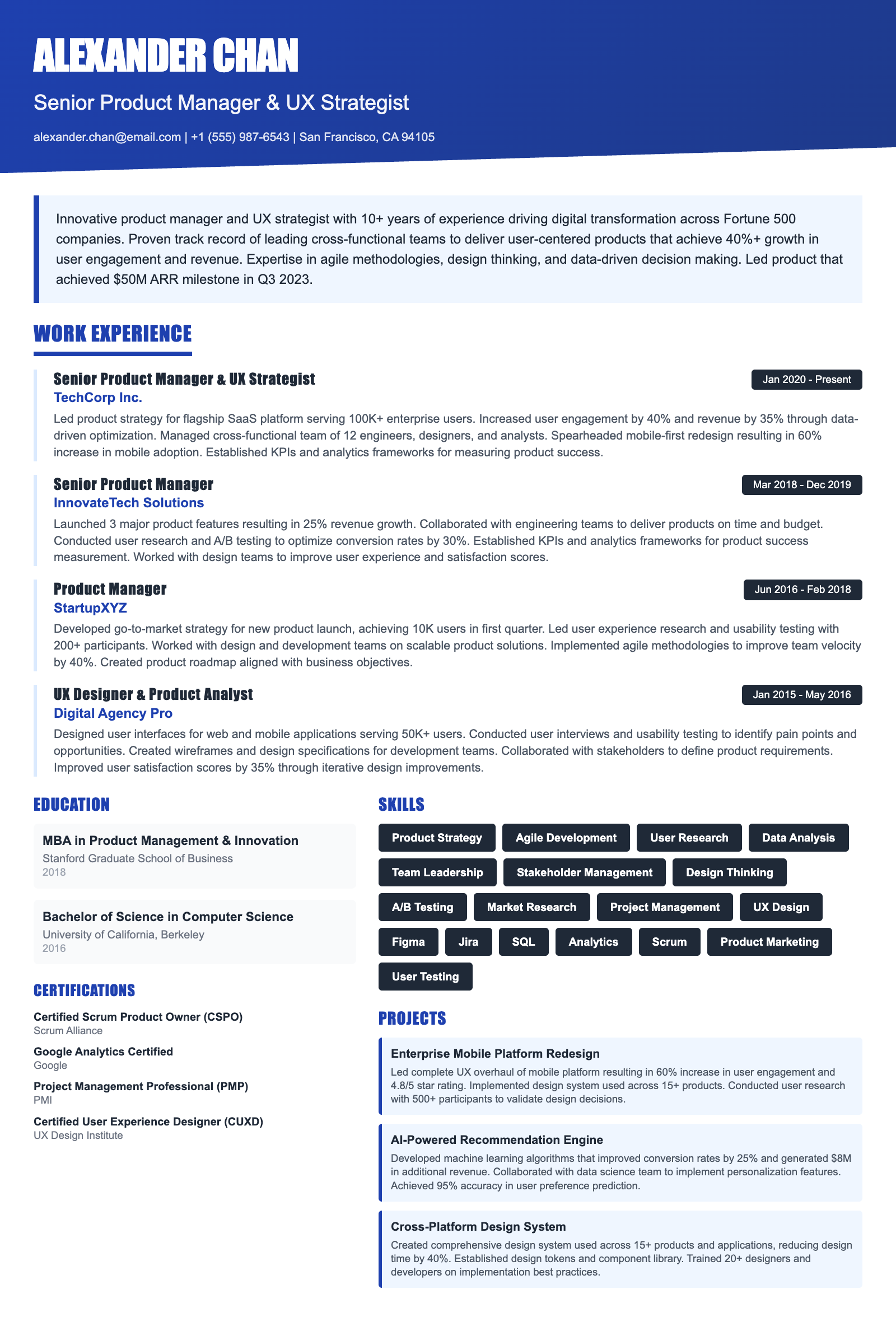
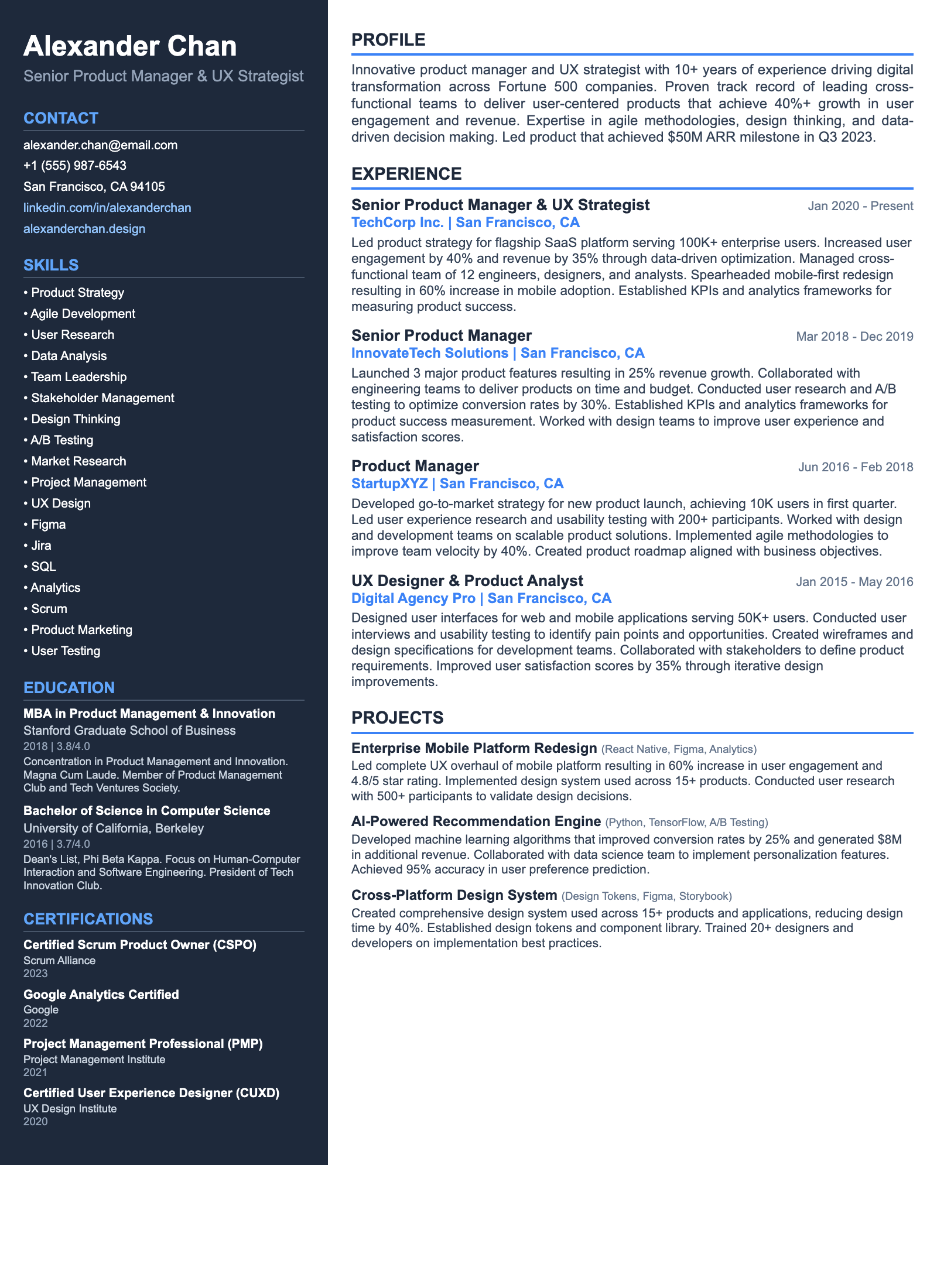
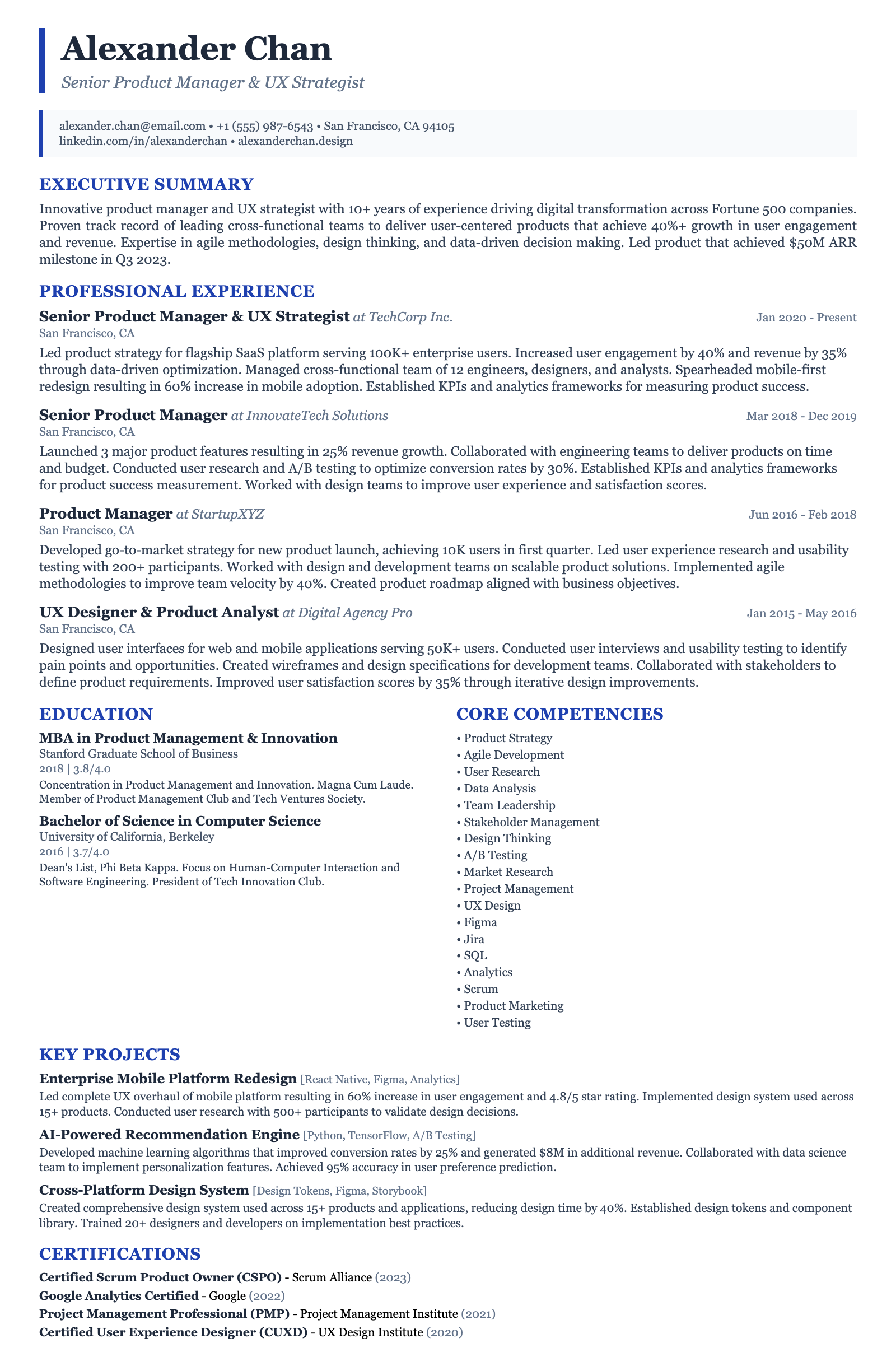
Recommended Resume Templates
ATS-friendly templates designed specifically for Junior Legal Data Analyst positions in the US market.
Frequently Asked Questions
What qualifications are typically required for a Junior Legal Data Analyst role?
A bachelor's degree in a relevant field such as data science, computer science, information systems, or law is typically required. Some employers may also prefer candidates with a master's degree or certifications in data analysis.
What are the key skills for a Junior Legal Data Analyst?
The key skills include data analysis, SQL, Python, data visualization, communication, and time management. A strong understanding of legal principles and terminology is also beneficial.
What is the typical career path for a Legal Data Analyst?
The typical career path progresses from Junior Legal Data Analyst to Legal Data Analyst, Senior Legal Data Analyst, Legal Data Scientist, and Legal Analytics Manager.
What is the job outlook for Legal Data Analysts?
The job outlook for Legal Data Analysts is very positive, with strong demand expected in the coming years as the legal industry increasingly relies on data-driven decision-making.
What is the difference between a Legal Data Analyst and a Legal Data Scientist?
A Legal Data Analyst typically focuses on analyzing existing legal data to identify trends and insights. A Legal Data Scientist uses more advanced statistical modeling and machine learning techniques to develop predictive models and solve complex legal problems.
What types of legal data do Legal Data Analysts typically work with?
Legal Data Analysts work with a wide range of legal data, including court records, contracts, regulatory filings, intellectual property data, and compliance data.
What are some common challenges faced by Legal Data Analysts?
Common challenges include dealing with large and complex datasets, ensuring data accuracy and integrity, and communicating technical findings to non-technical audiences.
Is prior legal experience required for this role?
While not always mandatory, prior experience or coursework in law is a significant advantage. A strong understanding of legal terminology and concepts is highly beneficial.
Ready to Build Your Junior Legal Data Analyst Resume?
Use our AI-powered resume builder to create an ATS-optimized resume tailored for Junior Legal Data Analyst positions in the US market.