Junior Hospitality Data Scientist: Launch Your Career!
Kickstart your data science journey in the exciting world of hospitality! This role is your opportunity to analyze data, drive business decisions, and enhance guest experiences at leading US hospitality companies.
Essential Skills for Junior Hospitality Data Scientist
Include these keywords in your resume to pass ATS screening and impress recruiters.
Must-Have Skills
- Communication
- Time Management
- Problem-Solving
- Statistical Analysis
- Data Visualization
Technical Skills
- Python (Pandas, Scikit-learn)
- SQL
- R
- Tableau or Power BI
- Cloud Computing (AWS, Azure, GCP)
Soft Skills
A Day in the Life
A typical day for a Junior Hospitality Data Scientist starts with reviewing the performance of existing machine learning models used for predicting hotel occupancy rates. After identifying a slight dip in accuracy, you investigate potential data anomalies and work with the IT team to resolve a recent data pipeline issue. Next, you attend a meeting with the marketing team to discuss the results of a recent A/B test on email campaigns, providing insights into which messaging resonated most with different customer segments. You then spend a few hours working on a new project to analyze guest reviews and identify key areas for improvement in hotel services. This involves cleaning and processing text data, applying sentiment analysis techniques, and creating visualizations to communicate the findings. The afternoon closes with collaborating with a senior data scientist on developing a new model to predict customer churn based on loyalty program data, ensuring the model aligns with business objectives and ethical considerations. You also spend time documenting your work for future reference and knowledge sharing within the team.
Career Progression Path
Junior Data Scientist
Data Scientist
Senior Data Scientist
Data Science Manager
Director of Data Science
Interview Questions & Answers
Prepare for your Junior Hospitality Data Scientist interview with these commonly asked questions.
Tell me about a time you had to work with a large dataset. What challenges did you face, and how did you overcome them?
MediumSTAR Method: Situation: I was tasked with analyzing a dataset of 1 million customer reviews to identify common themes and areas for improvement. Task: The goal was to provide actionable insights to the product development team. Action: I used Python and Pandas to clean and preprocess the data, removing irrelevant information and handling missing values. I then applied natural language processing techniques to identify common themes and sentiment. Result: I presented my findings in a clear and concise report, highlighting the top three areas for improvement. The product development team used these insights to prioritize their efforts, leading to a 15% increase in customer satisfaction.
Explain the difference between supervised and unsupervised learning.
MediumSupervised learning involves training a model on labeled data, where the correct output is already known. This allows the model to learn the relationship between the input features and the output. Examples include classification and regression. Unsupervised learning, on the other hand, involves training a model on unlabeled data, where the correct output is not known. The goal is to discover hidden patterns or structures in the data. Examples include clustering and dimensionality reduction.
Describe a situation where you had to communicate a complex technical concept to a non-technical audience.
MediumSTAR Method: Situation: I was working on a project to predict hotel occupancy rates. Task: I needed to explain the model to the hotel's general manager, who had limited technical knowledge. Action: I avoided using technical jargon and focused on explaining the model in simple terms. I used analogies and visuals to illustrate the key concepts. Result: The general manager understood the model and was able to use the predictions to make informed decisions about staffing and pricing.
How would you approach a situation where you have missing data in a dataset?
MediumThere are several ways to handle missing data, depending on the specific dataset and the goals of the analysis. Common approaches include: 1. Removing rows or columns with missing data. 2. Imputing missing values using statistical techniques such as mean, median, or mode imputation. 3. Using more sophisticated imputation methods such as k-nearest neighbors or model-based imputation. The best approach depends on the amount of missing data, the nature of the data, and the potential impact on the analysis.
What are some common challenges you might face working with hospitality data?
MediumHospitality data can be noisy and inconsistent due to various sources and formats. Seasonality and external events significantly impact demand. Customer behavior can be unpredictable. Data privacy regulations must be carefully considered. Legacy systems often create integration challenges. Finally, demonstrating the value of data science to non-technical stakeholders requires strong communication skills.
Explain the importance of A/B testing in the hospitality industry.
EasyA/B testing allows hotels to test different versions of their website, marketing campaigns, or guest experiences to see which performs best. This helps optimize conversion rates, increase revenue, and improve customer satisfaction. For example, a hotel could A/B test different website layouts to see which one leads to more bookings, or test different email subject lines to see which one has a higher open rate.
Describe your experience with data visualization tools like Tableau or Power BI.
MediumI have experience using both Tableau and Power BI to create interactive dashboards and reports. I've used these tools to visualize various types of data, including customer demographics, sales figures, and website traffic. I'm proficient in creating different types of charts and graphs, such as bar charts, line charts, scatter plots, and maps. I also understand how to use filters and parameters to allow users to explore the data and gain insights.
What is your understanding of key performance indicators (KPIs) in the hospitality industry, and how can data science be used to improve them?
MediumKPIs in hospitality include metrics like occupancy rate, average daily rate (ADR), revenue per available room (RevPAR), customer satisfaction scores (e.g., Net Promoter Score), and customer acquisition cost. Data science can improve these KPIs by forecasting demand to optimize pricing (ADR), personalizing marketing to increase occupancy, analyzing customer feedback to improve satisfaction, and identifying cost-effective acquisition channels.
ATS Optimization Tips
Make sure your resume passes Applicant Tracking Systems used by US employers.
Use standard section headings: 'Professional Experience' not 'Where I've Worked'
Include exact job title from the posting naturally in your resume
Add a Skills section with Hospitality-relevant keywords from the job description
Save as .docx or .pdf (check the application instructions)
Avoid tables, text boxes, headers/footers, and images - these confuse ATS parsers
Common Resume Mistakes to Avoid
Don't make these errors that get resumes rejected.
Lack of quantifiable achievements on resume
Poorly formatted or generic cover letter
Insufficient technical skills demonstrated
Neglecting to tailor resume to the hospitality industry
Failure to highlight relevant projects or internships
Industry Outlook
The US market for Junior Hospitality Data Scientist professionals remains highly competitive. Recruiters and ATS systems prioritize action verbs, quantifiable outcomes (e.g., "Reduced latency by 40%", "Led a team of 8"), and clear alignment with job descriptions. Candidates who demonstrate measurable impact and US-relevant certifications—coupled with a one-page, no-photo resume—see significantly higher callback rates in major hubs like California, Texas, and New York.
Top Hiring Companies
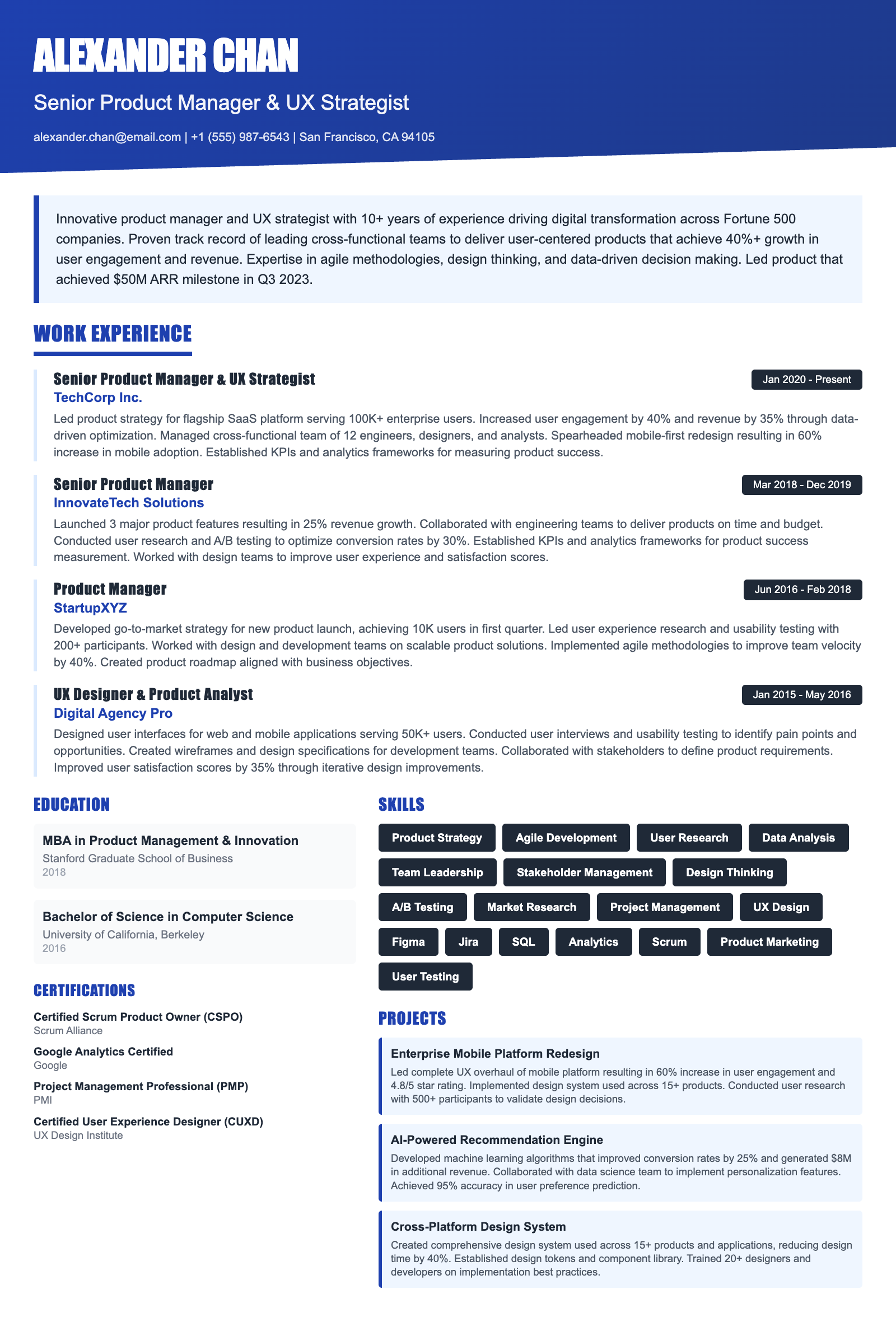
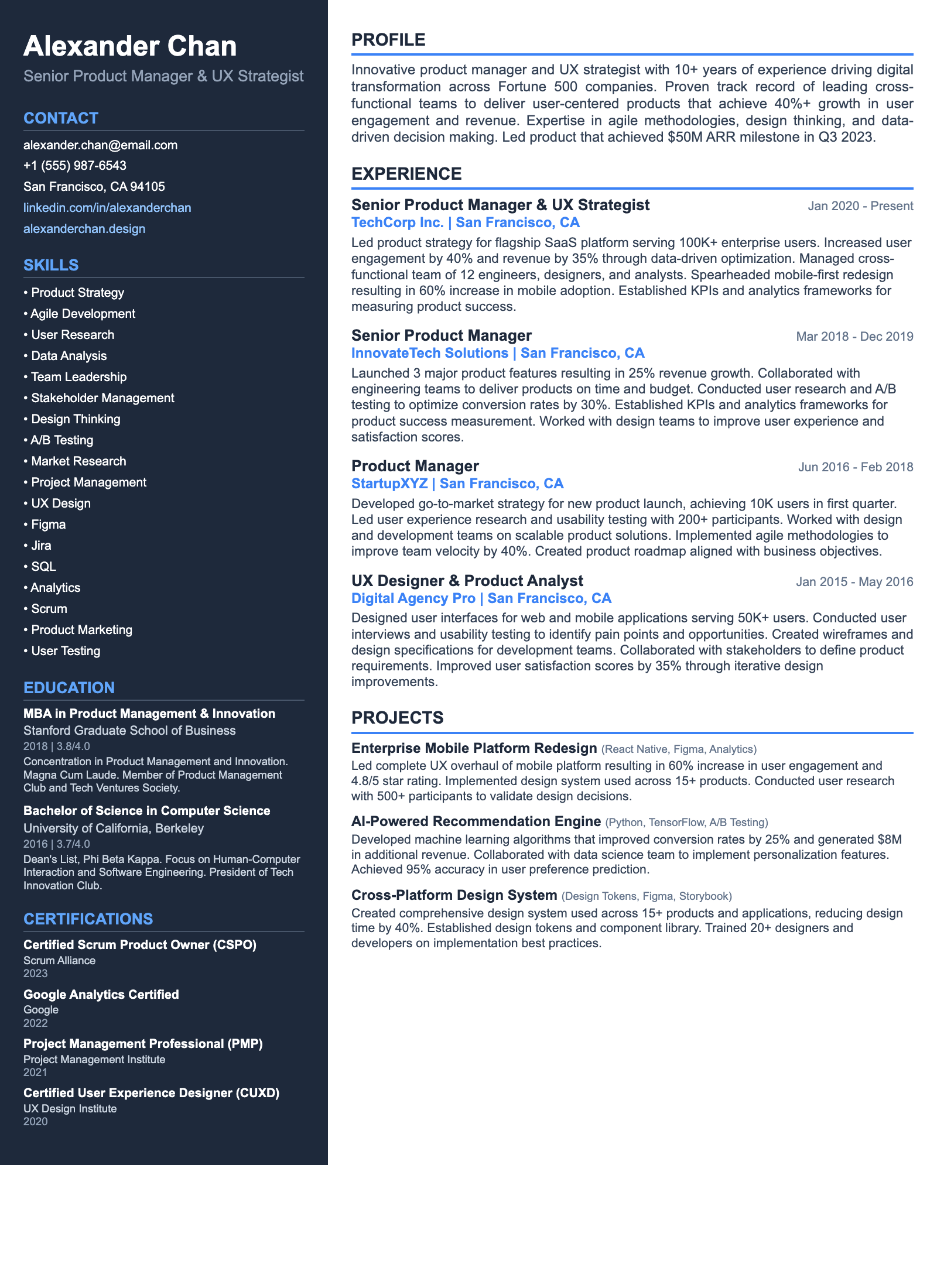
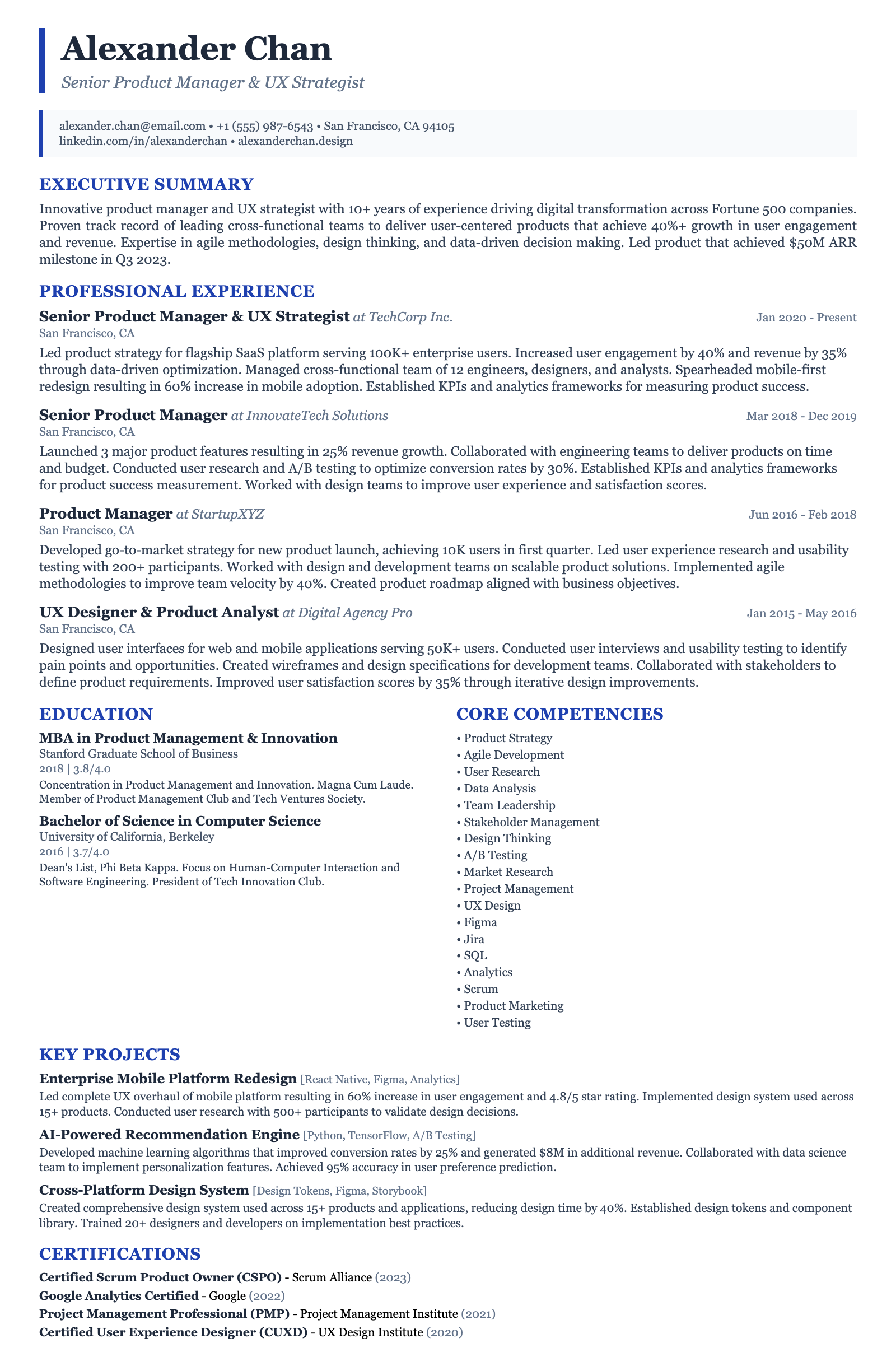
Recommended Resume Templates
ATS-friendly templates designed specifically for Junior Hospitality Data Scientist positions in the US market.
Frequently Asked Questions
What skills are most important for a Junior Hospitality Data Scientist?
Strong analytical skills, proficiency in Python and SQL, excellent communication skills, and a passion for the hospitality industry are crucial.
What is the typical career path for a data scientist in hospitality?
The typical path progresses from Junior Data Scientist to Data Scientist, Senior Data Scientist, Data Science Manager, and ultimately Director of Data Science.
What types of projects might a Junior Hospitality Data Scientist work on?
Projects could include demand forecasting, guest segmentation, pricing optimization, sentiment analysis of online reviews, and personalized marketing campaigns.
How important is domain knowledge of the hospitality industry?
While not always required initially, a strong interest in hospitality and a willingness to learn the industry's nuances are highly valued.
What are the best tools for data visualization in hospitality?
Tableau and Power BI are widely used and offer powerful capabilities for creating interactive dashboards and reports.
What educational background is typically required for this role?
A bachelor's degree in data science, statistics, mathematics, computer science, or a related field is usually required. A master's degree can be beneficial.
How can I prepare for a data science interview in the hospitality industry?
Practice your technical skills, research common hospitality KPIs, and be prepared to discuss your experience with relevant projects. Also, be ready to explain how you would approach specific business problems using data science.
Are there any certifications that can help me stand out?
Certifications in specific data science tools (e.g., Tableau Certified Data Analyst) or cloud platforms (e.g., AWS Certified Machine Learning – Specialty) can be beneficial.
Ready to Build Your Junior Hospitality Data Scientist Resume?
Use our AI-powered resume builder to create an ATS-optimized resume tailored for Junior Hospitality Data Scientist positions in the US market.