Junior Hospitality Data Analyst: Launch Your Career!
Kickstart your data analytics career in the exciting world of hospitality! This entry-level role offers a fantastic opportunity to analyze data, provide actionable insights, and contribute to improved guest experiences and business performance within leading US hospitality companies.
Essential Skills for Junior Hospitality Data Analyst
Include these keywords in your resume to pass ATS screening and impress recruiters.
Must-Have Skills
- Communication
- Time Management
- Problem-Solving
- Attention to Detail
- Statistical Analysis
Technical Skills
- SQL
- Excel
- Tableau
- Python (Pandas, NumPy)
- R
Soft Skills
A Day in the Life
A typical day as a Junior Hospitality Data Analyst might start with reviewing overnight reports on key performance indicators like occupancy rates, average daily rate, and RevPAR. You'll then dive into analyzing guest feedback data from online reviews and surveys, identifying trends and areas for improvement in service or amenities. The morning might also involve generating reports for the revenue management team to help them optimize pricing strategies based on demand forecasts. In the afternoon, you could be working on a project to analyze the effectiveness of a recent marketing campaign, using data to measure its impact on bookings and revenue. You'll collaborate with the marketing team to present your findings and suggest improvements for future campaigns. You might also spend time cleaning and validating data to ensure its accuracy and reliability, or attending a meeting to discuss upcoming data analytics projects with other members of the team. The day concludes with preparing a summary of your key findings and prioritizing tasks for the following day, ensuring that you're contributing to data-driven decision-making across the organization.
Career Progression Path
Junior Hospitality Data Analyst
Data Analyst
Senior Data Analyst
Data Scientist
Analytics Manager
Interview Questions & Answers
Prepare for your Junior Hospitality Data Analyst interview with these commonly asked questions.
Tell me about a time you used data to solve a problem.
MediumCertainly. At my previous internship, we noticed a decline in customer satisfaction scores. Using SQL, I queried our customer database to identify common complaints and trends. I then used Tableau to visualize the findings, revealing that long wait times at check-in were a major pain point. I presented this data to the management team, who then implemented a new staffing strategy to reduce wait times. As a result, customer satisfaction scores improved by 15% within three months. This demonstrates my ability to collect, analyze, and present data to drive positive change.
Describe your experience with data visualization tools.
MediumI have extensive experience with Tableau, which I've used to create interactive dashboards and reports to communicate data insights to various stakeholders. I'm also proficient in using Excel for creating charts and graphs. I am familiar with Power BI and have used Python's Matplotlib and Seaborn libraries for creating custom visualizations when needed. I understand the importance of choosing the right visualization to effectively convey the message and tailor it to the audience's understanding.
How do you ensure data accuracy and integrity?
MediumData accuracy and integrity are paramount. I ensure this by implementing data validation checks during data entry and cleaning processes. I use SQL queries to identify and correct inconsistencies, duplicates, and missing values. I also document all data cleaning and transformation steps to ensure transparency and reproducibility. Regularly auditing the data and comparing it against source systems is also a crucial part of maintaining data quality.
Explain your understanding of key performance indicators (KPIs) in the hospitality industry.
MediumKey performance indicators (KPIs) are crucial for measuring the success of a hospitality business. Some important KPIs include occupancy rate, which measures the percentage of available rooms that are occupied; average daily rate (ADR), which is the average revenue earned per occupied room; RevPAR (revenue per available room), which is a combination of occupancy rate and ADR; and customer satisfaction scores, which reflect the overall guest experience. Understanding these KPIs allows me to identify areas for improvement and provide data-driven recommendations to optimize business performance.
How do you handle working with large datasets?
HardWhen working with large datasets, I prioritize efficiency and scalability. I use SQL to query and filter the data, and I leverage Python's Pandas library for data manipulation and analysis. I also use techniques like data sampling and aggregation to reduce the size of the dataset while still maintaining its representativeness. I am familiar with cloud-based data warehousing solutions like AWS Redshift and Google BigQuery, which are designed to handle massive datasets.
Describe a time you had to present complex data findings to a non-technical audience.
MediumIn a project focused on optimizing hotel room pricing, I analyzed complex data sets including historical booking data, competitor pricing, and seasonality trends. To present this to the sales team, who were not data experts, I avoided technical jargon. I used simple charts and graphs to illustrate key findings, focusing on the 'so what?' and directly linking the data insights to potential revenue increases. I broke down the information into easily digestible segments and emphasized the practical implications of my recommendations. This approach helped the sales team understand and implement the new pricing strategy effectively.
How do you stay up-to-date with the latest trends in data analytics and the hospitality industry?
EasyI'm committed to continuous learning. I regularly read industry publications like Hotel News Now and Skift to stay informed about the latest trends in the hospitality sector. I also follow data analytics blogs and attend online webinars to learn about new techniques and tools. I participate in online communities and forums to connect with other data professionals and share knowledge. Additionally, I am currently pursuing certifications in advanced data analytics techniques to further enhance my skills.
What are your salary expectations?
EasyBased on my research of junior data analyst roles in the hospitality industry in this region, and considering my skills and experience, I'm looking for a salary in the range of $50,000 to $65,000 per year. However, I'm open to discussing this further based on the overall compensation package and the specific responsibilities of the role.
ATS Optimization Tips
Make sure your resume passes Applicant Tracking Systems used by US employers.
Use standard section headings: 'Professional Experience' not 'Where I've Worked'
Include exact job title from the posting naturally in your resume
Add a Skills section with Hospitality-relevant keywords from the job description
Save as .docx or .pdf (check the application instructions)
Avoid tables, text boxes, headers/footers, and images - these confuse ATS parsers
Common Resume Mistakes to Avoid
Don't make these errors that get resumes rejected.
Lack of quantifiable results in resume bullets.
Poorly formatted resume; difficult to read.
Failure to tailor resume to the hospitality industry.
Omitting key technical skills (SQL, Excel, Tableau).
Not showcasing soft skills like communication and teamwork.
Industry Outlook
The US market for Junior Hospitality Data Analyst professionals remains highly competitive. Recruiters and ATS systems prioritize action verbs, quantifiable outcomes (e.g., "Reduced latency by 40%", "Led a team of 8"), and clear alignment with job descriptions. Candidates who demonstrate measurable impact and US-relevant certifications—coupled with a one-page, no-photo resume—see significantly higher callback rates in major hubs like California, Texas, and New York.
Top Hiring Companies
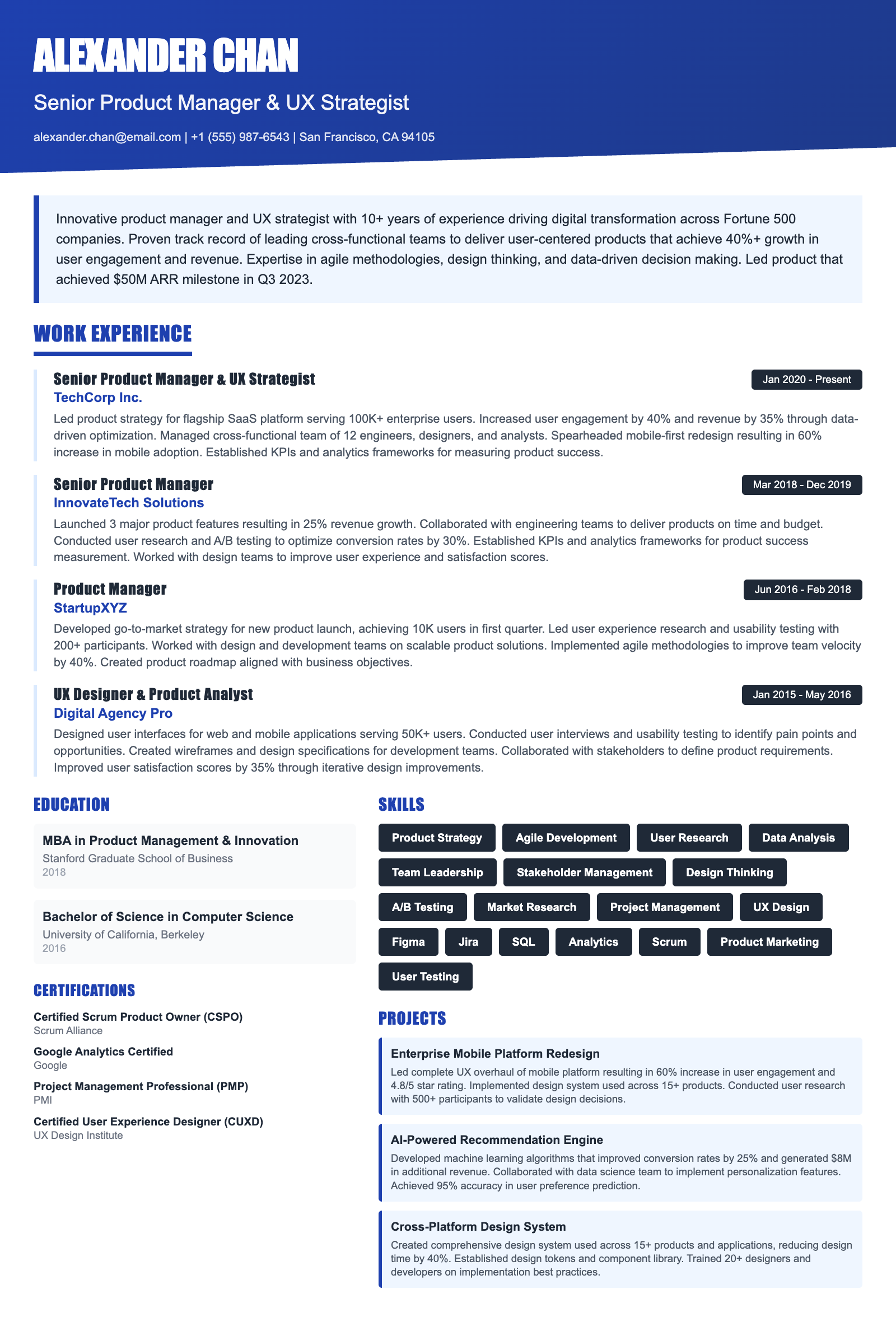
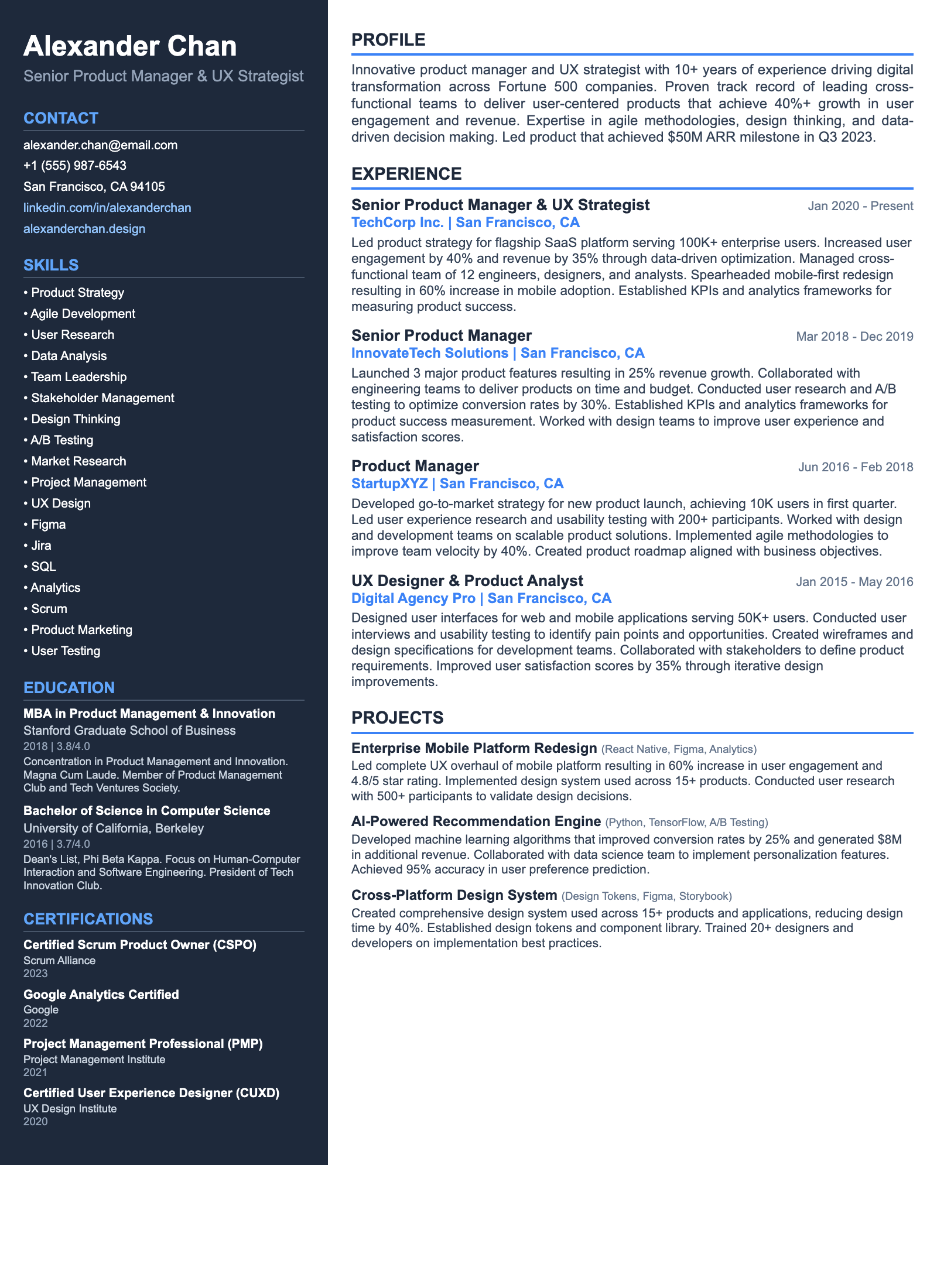
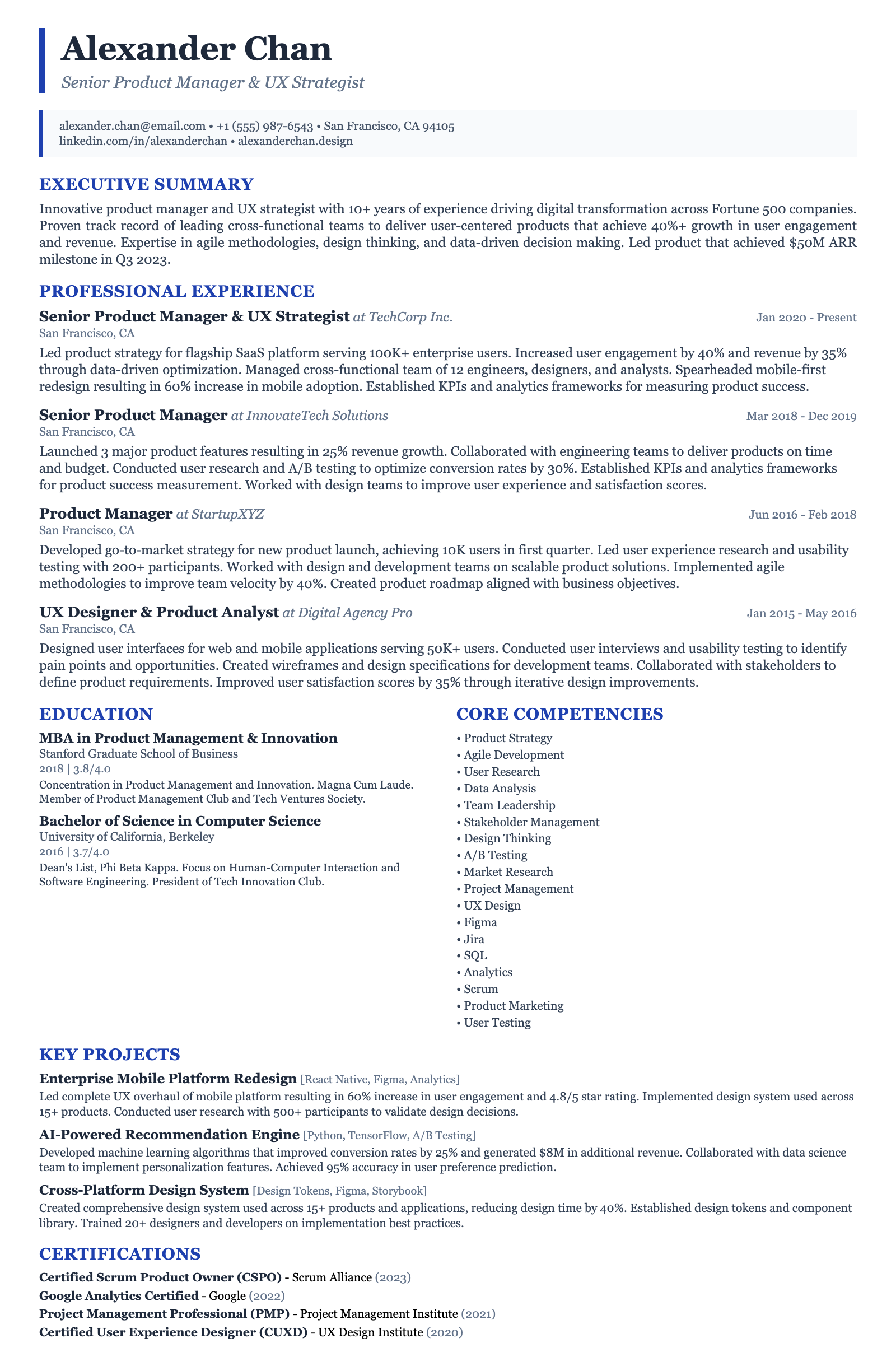
Recommended Resume Templates
ATS-friendly templates designed specifically for Junior Hospitality Data Analyst positions in the US market.
Frequently Asked Questions
What skills are most important for a junior hospitality data analyst?
Strong analytical skills, proficiency in SQL and Excel, excellent communication skills, and a good understanding of the hospitality industry are crucial. Teamwork and adaptability are also key for success.
What is the typical career path for a hospitality data analyst?
The typical career path progresses from Junior Data Analyst to Data Analyst, Senior Data Analyst, Data Scientist, and eventually into management roles like Analytics Manager or Director.
What type of data do hospitality data analysts work with?
Hospitality data analysts work with a wide range of data, including property management system (PMS) data, point-of-sale (POS) data, online reviews, customer surveys, and market research data.
What is RevPAR and why is it important?
RevPAR (Revenue Per Available Room) is a key performance indicator that measures the revenue generated per available room. It's important because it provides a comprehensive view of a hotel's performance, taking into account both occupancy rate and average daily rate.
How can data analytics improve guest satisfaction in the hospitality industry?
Data analytics can help identify areas where guests are dissatisfied, such as long wait times or poor service. By analyzing guest feedback data, hotels can implement improvements to enhance the guest experience and increase satisfaction.
What is the role of data analytics in revenue management in hospitality?
Data analytics plays a crucial role in revenue management by helping hotels optimize pricing strategies based on demand forecasts, competitor pricing, and seasonality trends. This allows hotels to maximize revenue and profitability.
Is a statistics background needed for this role?
A solid understanding of statistical concepts is highly beneficial. While a formal degree in statistics isn't always required, familiarity with statistical analysis techniques is essential for analyzing data and drawing meaningful conclusions. Many companies offer training, and online resources are plentiful.
What are some common software programs used in hospitality data analysis?
Common software programs include SQL (for database querying), Excel (for data manipulation and analysis), Tableau or Power BI (for data visualization), and programming languages like Python (with libraries such as Pandas and NumPy) and R (for statistical analysis).
Ready to Build Your Junior Hospitality Data Analyst Resume?
Use our AI-powered resume builder to create an ATS-optimized resume tailored for Junior Hospitality Data Analyst positions in the US market.