
Junior Finance Nurse: Launch Your Healthcare Career
Begin your journey as a Junior Finance Nurse, blending financial acumen with compassionate patient care. This role is perfect for individuals passionate about healthcare and finance, offering opportunities for growth and impact within the medical field.
Essential Skills for Junior Finance Nurse
Include these keywords in your resume to pass ATS screening and impress recruiters.
Must-Have Skills
- Communication
- Time Management
- Analytical Skills
- Attention to Detail
- Problem-Solving
Technical Skills
- Excel
- EHR Systems (e.g., Epic, Cerner)
- Financial Modeling Software
- Medical Billing Software
- Data Visualization Tools
Soft Skills
A Day in the Life
My day begins with reviewing the previous day's financial reports, identifying any discrepancies or areas of concern. I then collaborate with the billing department to resolve coding issues and ensure accurate claim submissions. A significant portion of my morning is spent analyzing patient accounts, verifying insurance coverage, and addressing patient inquiries regarding their bills. After lunch, I participate in a budgeting meeting with the nursing staff, discussing resource allocation and identifying potential cost-saving measures. The afternoon involves preparing financial reports for management, tracking expenses, and ensuring compliance with financial regulations. I also spend time researching new billing codes and reimbursement policies to stay up-to-date with industry changes. Finally, I document all activities and prepare for the next day's tasks, ensuring a smooth and efficient workflow.
Career Progression Path
Junior Finance Nurse
Finance Nurse
Senior Finance Nurse
Finance Manager
Healthcare Controller
Interview Questions & Answers
Prepare for your Junior Finance Nurse interview with these commonly asked questions.
Describe your experience with financial analysis in a healthcare setting.
MediumSTAR: Situation: In my previous role at [Previous Company], we needed to reduce operational costs. Task: I was tasked with analyzing our spending to identify areas for improvement. Action: I used Excel to analyze departmental expenses, uncovering significant overspending in supply purchases. Result: By negotiating better rates with vendors and implementing a stricter purchasing policy, we reduced supply costs by 15% within six months.
How do you stay up-to-date with changes in healthcare finance regulations?
MediumI regularly read industry publications like Healthcare Finance Management Association (HFMA) journals and attend webinars on relevant topics. I also subscribe to updates from CMS (Centers for Medicare & Medicaid Services) to ensure I'm aware of any policy changes that may impact our organization.
Explain your understanding of medical billing and coding processes.
MediumI understand that medical billing involves submitting claims to insurance companies for services rendered, and coding involves assigning standardized codes (e.g., ICD-10, CPT) to diagnoses and procedures. Accurate coding is crucial for proper reimbursement and compliance. I have experience working with billing departments to resolve coding discrepancies and ensure accurate claim submissions.
Tell me about a time you had to resolve a complex billing issue.
MediumSTAR: Situation: A patient received an unexpectedly high bill due to a coding error. Task: I was responsible for investigating the issue and resolving it. Action: I reviewed the patient's medical record, consulted with the coding department, and identified the error. Result: I corrected the coding, resubmitted the claim, and the patient received a corrected bill with a significantly lower amount. The patient was very grateful for my assistance.
How do you handle confidential patient information?
EasyI understand the importance of protecting patient confidentiality and strictly adhere to HIPAA regulations. I ensure that all patient information is stored securely, only accessed by authorized personnel, and never shared with unauthorized parties. I am also trained on data privacy and security protocols.
Describe your experience with budgeting in a healthcare environment.
MediumIn my previous role, I assisted the finance manager with the annual budgeting process. This involved collecting data from various departments, analyzing spending patterns, and developing budget forecasts. I also tracked expenses throughout the year and identified areas where we could reduce costs without compromising patient care. I am familiar with various budgeting techniques and financial modeling.
Give an example of a time you used your analytical skills to solve a problem.
MediumSTAR: Situation: Our department was experiencing a high rate of claim denials. Task: My task was to identify the root cause of the denials and propose solutions. Action: I analyzed the denied claims data, looking for patterns and trends. I discovered that a significant number of denials were due to incorrect patient information. Result: I worked with the registration team to implement a more rigorous patient information verification process, which reduced the claim denial rate by 20% within three months.
ATS Optimization Tips
Make sure your resume passes Applicant Tracking Systems used by US employers.
Use standard section headings: 'Professional Experience' not 'Where I've Worked'
Include exact job title from the posting naturally in your resume
Add a Skills section with Finance-relevant keywords from the job description
Save as .docx or .pdf (check the application instructions)
Avoid tables, text boxes, headers/footers, and images - these confuse ATS parsers
Common Resume Mistakes to Avoid
Don't make these errors that get resumes rejected.
Lack of quantifiable achievements
Ignoring healthcare-specific finance experience
Poorly formatted resume
Generic cover letter
Insufficient knowledge of medical billing codes
Industry Outlook
The US market for Junior Finance Nurse professionals remains highly competitive. Recruiters and ATS systems prioritize action verbs, quantifiable outcomes (e.g., "Reduced latency by 40%", "Led a team of 8"), and clear alignment with job descriptions. Candidates who demonstrate measurable impact and US-relevant certifications—coupled with a one-page, no-photo resume—see significantly higher callback rates in major hubs like California, Texas, and New York.
Top Hiring Companies
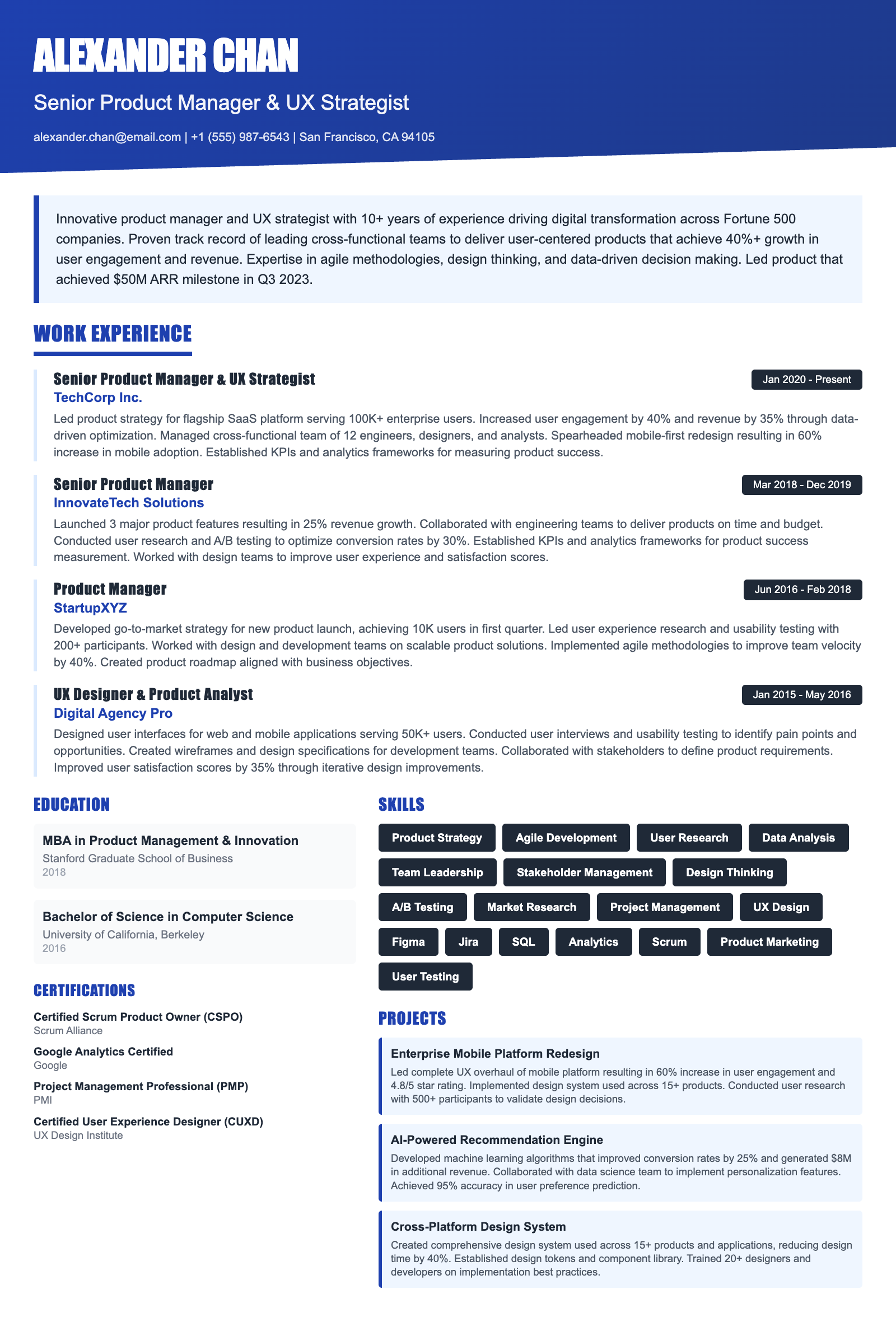
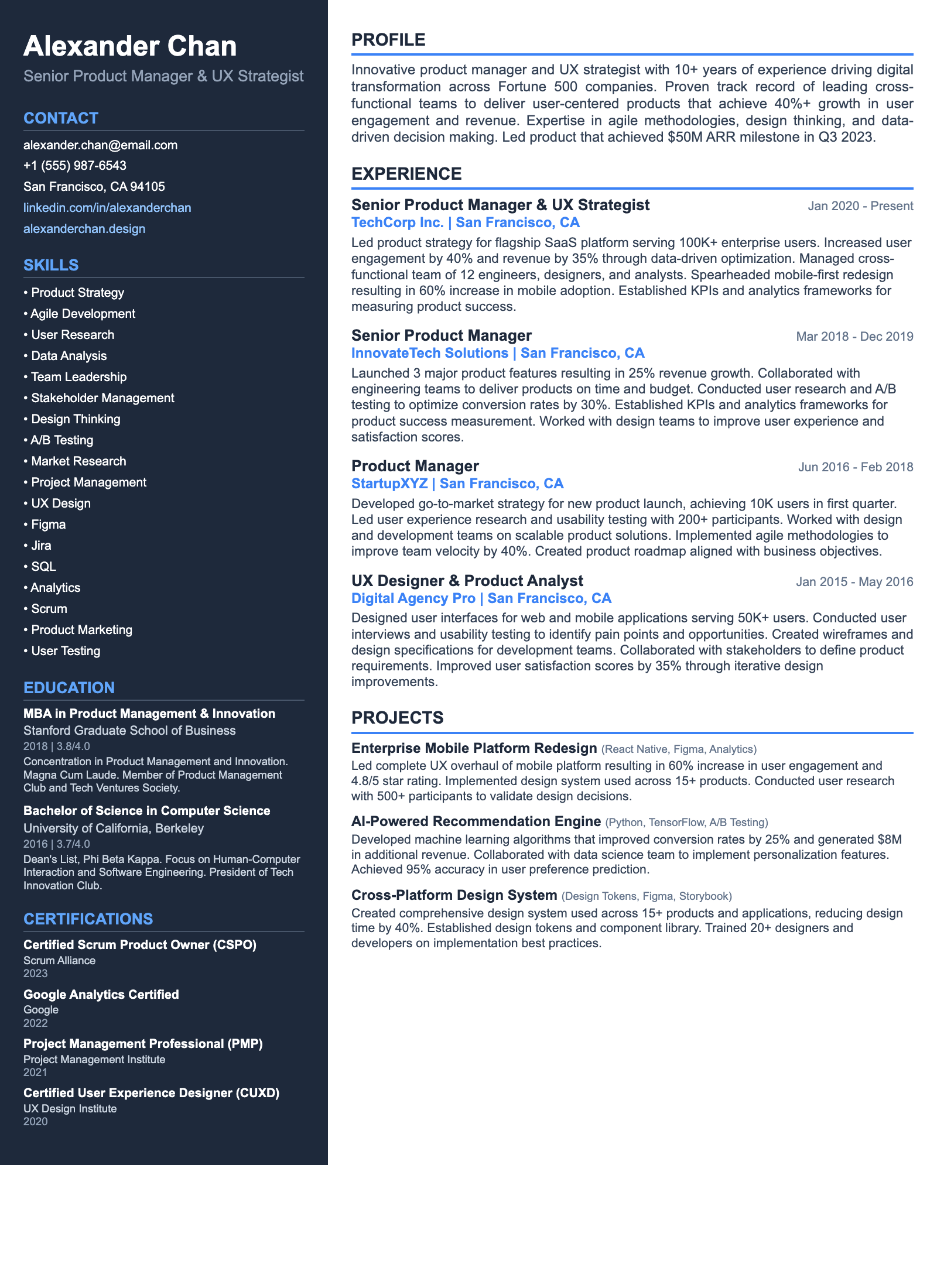
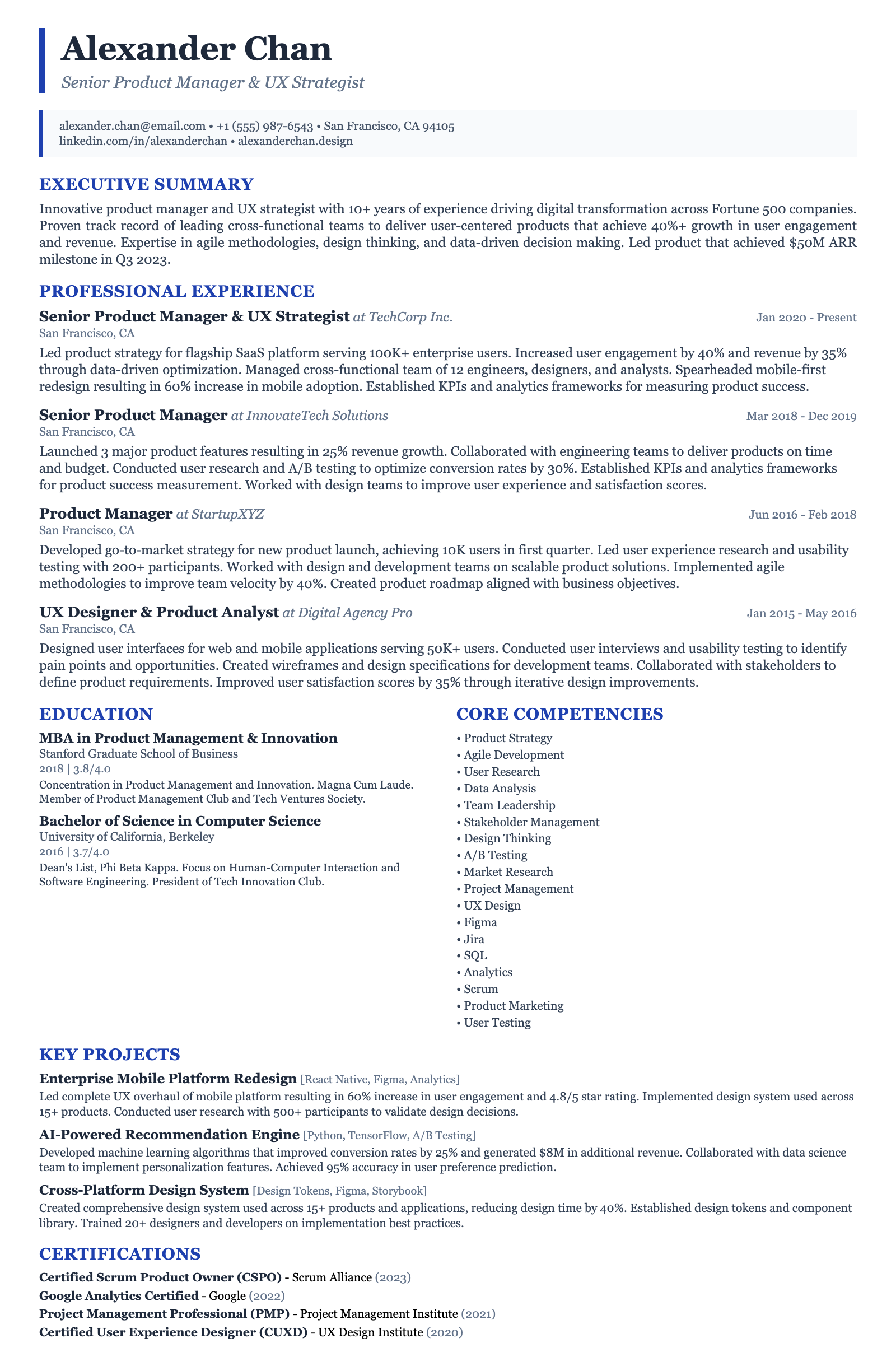
Recommended Resume Templates
ATS-friendly templates designed specifically for Junior Finance Nurse positions in the US market.
Frequently Asked Questions
What qualifications do I need to become a Junior Finance Nurse?
A bachelor's degree in Finance, Accounting, Nursing, or a related field is typically required. Strong analytical and communication skills are also essential.
What are the key responsibilities of a Junior Finance Nurse?
Key responsibilities include financial analysis, budgeting, billing and coding, reimbursement, compliance, and patient financial counseling.
What is the typical salary for a Junior Finance Nurse?
The median salary for a Junior Finance Nurse in the US is approximately $65,000 per year, with a range from $50,000 to $80,000 depending on location and experience.
What are the career advancement opportunities for a Junior Finance Nurse?
With experience and further education, you can advance to roles such as Finance Nurse, Senior Finance Nurse, Finance Manager, Healthcare Controller, or even Chief Financial Officer (CFO).
What skills are important for success in this role?
Important skills include strong analytical and problem-solving skills, excellent communication and interpersonal skills, proficiency in Microsoft Excel and other financial software, and knowledge of healthcare finance principles and practices.
What is the work environment like for a Junior Finance Nurse?
The work environment is typically a hospital, clinic, or other healthcare facility. You'll work closely with nurses, physicians, and other healthcare professionals.
How does this role contribute to patient care?
By ensuring the financial stability of healthcare organizations, Junior Finance Nurses play a vital role in enabling access to quality patient care.
Is prior experience in healthcare required?
While prior experience in healthcare is beneficial, it's not always required. A strong foundation in finance and a willingness to learn about the healthcare industry are essential.
Ready to Build Your Junior Finance Nurse Resume?
Use our AI-powered resume builder to create an ATS-optimized resume tailored for Junior Finance Nurse positions in the US market.