Junior Education Financial Analyst: Launch Your Career
Kickstart your finance career in education! This entry-level role offers exciting opportunities to analyze financial data, support budgeting processes, and contribute to strategic decision-making within educational institutions. Grow your skills and make a real impact.
Essential Skills for Junior Education Financial Analyst
Include these keywords in your resume to pass ATS screening and impress recruiters.
Must-Have Skills
- Financial Reporting
- Budgeting
- Forecasting
- Data Interpretation
- Problem-Solving
Technical Skills
- Microsoft Excel (Advanced)
- Financial Modeling Software (e.g., Anaplan)
- SQL
- Accounting Software (e.g., NetSuite, SAP)
- Data Visualization Tools (e.g., Tableau, Power BI)
Soft Skills
A Day in the Life
Imagine starting your day reviewing overnight enrollment data to identify any unexpected fluctuations. You then dive into preparing a budget variance report for the Math Department, comparing actual spending against the allocated budget. After a quick lunch, you attend a meeting with the Facilities team to discuss the financial implications of a proposed new building project, using your financial models to project long-term costs and benefits. You spend the afternoon updating the university's five-year financial forecast, incorporating new assumptions about tuition revenue and operating expenses. Finally, you wrap up the day by responding to ad-hoc data requests from the Provost's office, ensuring they have the financial information needed for upcoming strategic planning sessions. You feel a sense of accomplishment knowing your analysis directly contributes to the university's ability to provide quality education to its students.
Career Progression Path
Junior Education Financial Analyst
Financial Analyst
Senior Financial Analyst
Finance Manager
Director of Finance
Interview Questions & Answers
Prepare for your Junior Education Financial Analyst interview with these commonly asked questions.
Tell me about a time you had to analyze a large dataset to solve a problem.
MediumSTAR Method: Situation: In my internship, I was tasked with analyzing student enrollment data to identify factors contributing to declining enrollment in a specific program. Task: My goal was to pinpoint the key variables influencing enrollment and provide actionable recommendations. Action: I used Excel to clean and analyze the data, identifying correlations between enrollment, tuition costs, program reputation, and career prospects. I presented my findings to the program director. Result: My analysis revealed that high tuition costs and a lack of awareness about career opportunities were major factors. The program director used this information to adjust tuition fees and improve marketing efforts, leading to a 10% increase in enrollment the following year.
Describe your experience with budgeting and forecasting.
MediumI have experience creating and managing budgets during my time working at [Previous Job/Internship]. I was responsible for tracking expenses, analyzing variances, and providing recommendations for cost savings. I also have experience creating financial forecasts using historical data and market trends. For example, at [Previous Job/Internship], I developed a five-year revenue forecast that accurately predicted the company's growth trajectory.
How do you handle working under pressure and meeting tight deadlines?
EasyI thrive in environments with deadlines. I prioritize tasks based on urgency and importance, break down large projects into smaller, manageable steps, and communicate proactively with stakeholders to ensure everyone is on the same page. I also use time management techniques like the Pomodoro Technique to stay focused and productive. I understand the importance of delivering accurate and timely financial information, especially in the education sector where resources are often limited.
What are your strengths and weaknesses as a financial analyst?
MediumMy greatest strength is my analytical ability and attention to detail. I can quickly identify patterns and insights from complex data sets. I am also a strong communicator and can effectively present financial information to both technical and non-technical audiences. One area I am working on improving is my proficiency in [Specific Software/Skill]. I am currently taking online courses to enhance my skills in this area.
Why are you interested in working in the education sector?
EasyI am passionate about education and believe that financial stability is crucial for educational institutions to achieve their mission. I want to use my financial skills to support organizations that are making a positive impact on students' lives. I am particularly drawn to [Specific aspect of education, e.g., equitable access to education, innovative teaching methods].
Explain a time you had to adapt to a new software or process.
MediumSTAR Method: Situation: During my internship, the company implemented a new budgeting software, which was different from what I was used to. Task: I was responsible for learning the new software quickly and training my colleagues. Action: I took online tutorials, attended training sessions, and practiced using the software extensively. I also created a user guide to help my colleagues navigate the new system. Result: Within a week, I became proficient in the new software and successfully trained my colleagues. The transition was smooth, and the company was able to implement the new budgeting process on schedule.
How do you stay up-to-date with current financial trends and regulations?
EasyI regularly read industry publications, such as The Wall Street Journal and Forbes. I also follow financial news websites and attend webinars and conferences on topics related to finance and education. I believe continuous learning is essential to remain competitive in the field.
ATS Optimization Tips
Make sure your resume passes Applicant Tracking Systems used by US employers.
Use standard section headings: 'Professional Experience' not 'Where I've Worked'
Include exact job title from the posting naturally in your resume
Add a Skills section with Education-relevant keywords from the job description
Save as .docx or .pdf (check the application instructions)
Avoid tables, text boxes, headers/footers, and images - these confuse ATS parsers
Common Resume Mistakes to Avoid
Don't make these errors that get resumes rejected.
Failing to quantify achievements with numbers.
Lack of relevant experience or internships highlighted.
Poor formatting and grammatical errors.
Not tailoring the resume to the specific job description.
Omitting key technical skills like Excel proficiency.
Industry Outlook
The US market for Junior Education Financial Analyst professionals remains highly competitive. Recruiters and ATS systems prioritize action verbs, quantifiable outcomes (e.g., "Reduced latency by 40%", "Led a team of 8"), and clear alignment with job descriptions. Candidates who demonstrate measurable impact and US-relevant certifications—coupled with a one-page, no-photo resume—see significantly higher callback rates in major hubs like California, Texas, and New York.
Top Hiring Companies
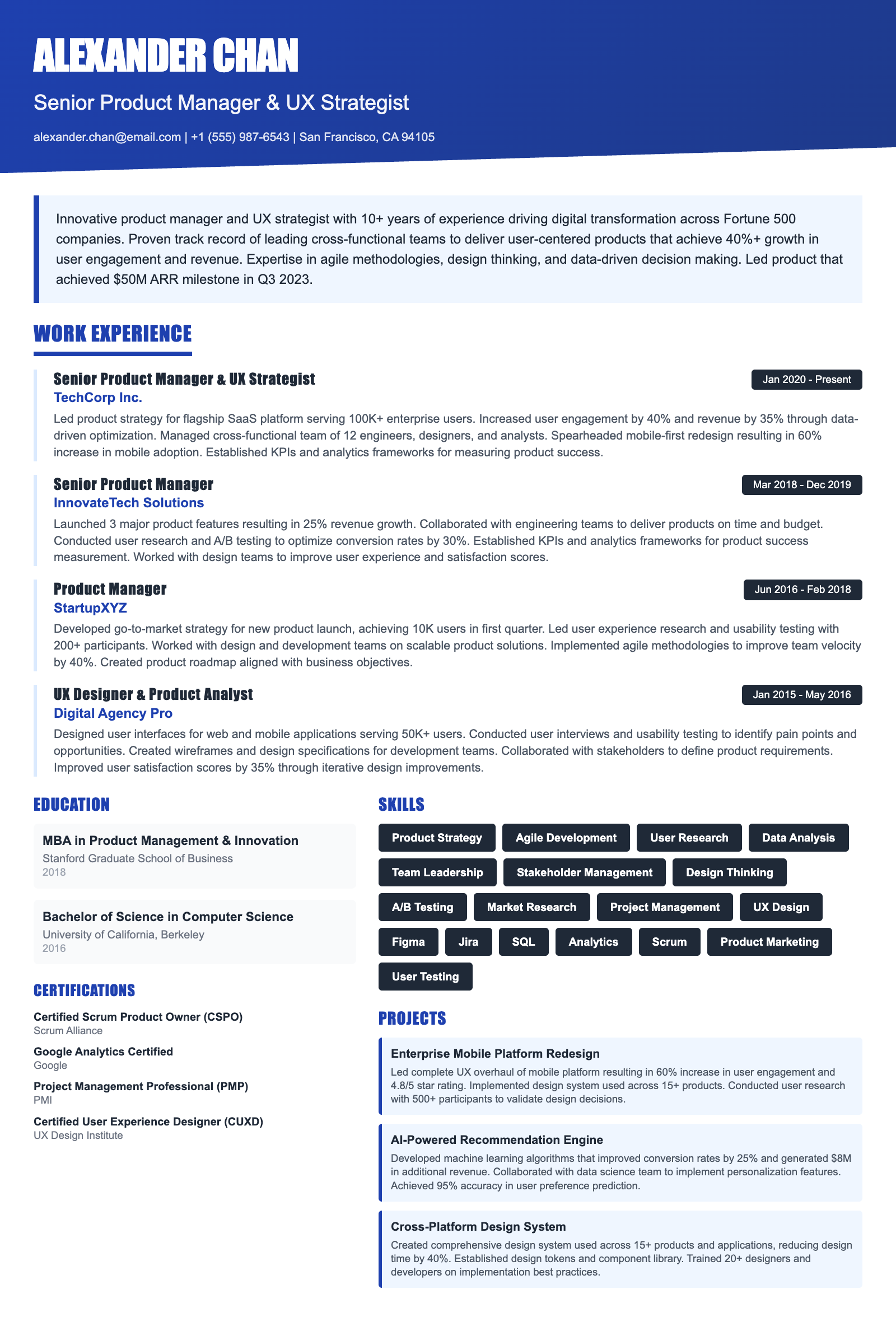
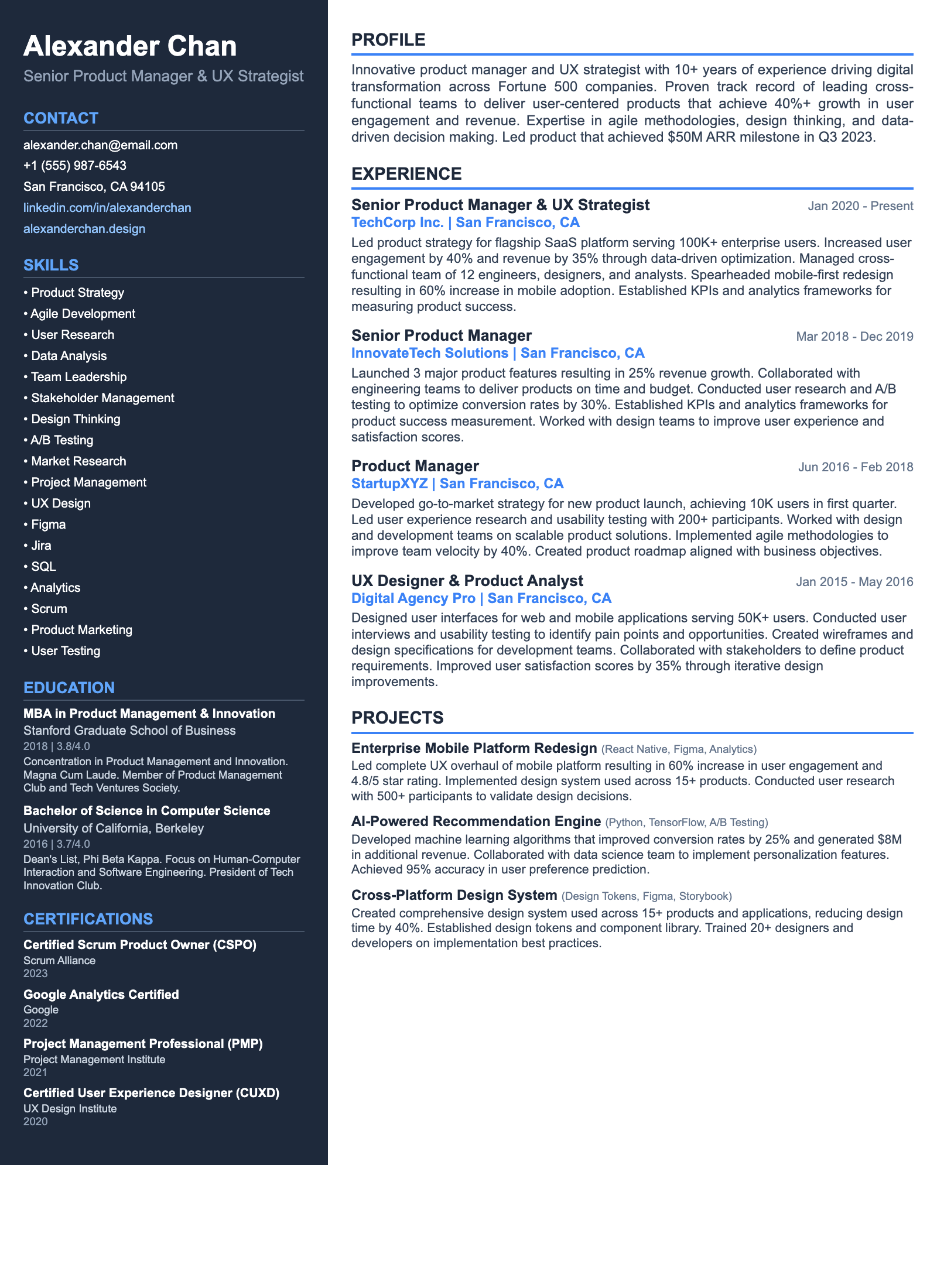
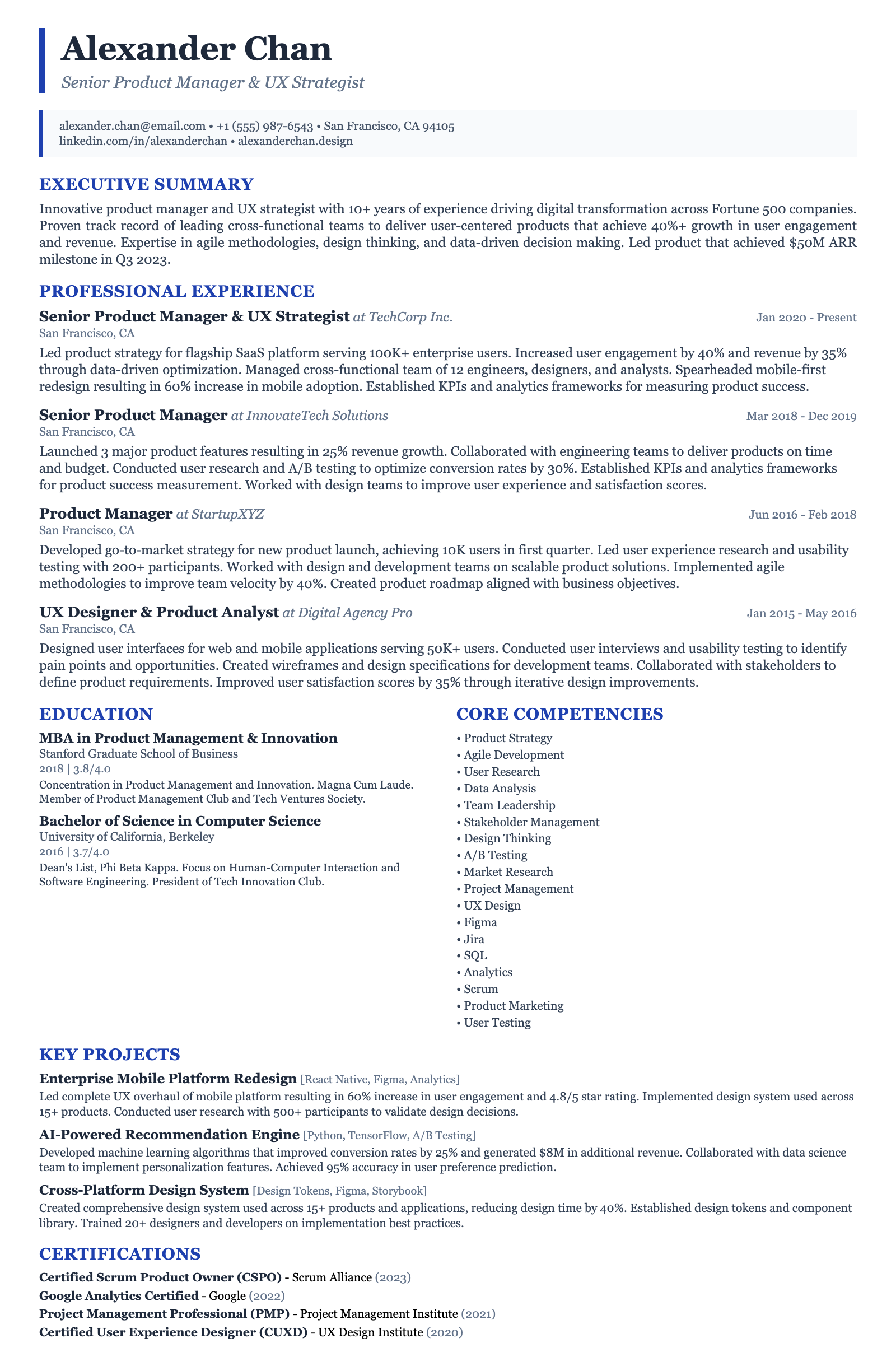
Recommended Resume Templates
ATS-friendly templates designed specifically for Junior Education Financial Analyst positions in the US market.
Frequently Asked Questions
What are the key skills for a Junior Education Financial Analyst?
The key skills include financial analysis, budgeting, forecasting, data interpretation, strong communication skills, and proficiency in software like Excel and financial modeling tools.
What is the typical career path for this role?
The typical career path progresses from Junior Financial Analyst to Financial Analyst, Senior Financial Analyst, Finance Manager, and eventually Director of Finance.
What is the salary range for this position?
The salary range typically falls between $50,000 and $80,000 per year, depending on experience, location, and the specific educational institution.
What are the common challenges faced by financial analysts in education?
Common challenges include limited resources, budget constraints, complex funding models, and the need to balance financial stability with the institution's educational mission.
What type of education is required for this role?
A bachelor's degree in finance, accounting, economics, or a related field is typically required. Some employers may prefer candidates with a master's degree.
What are some common software programs used in this role?
Common software programs include Microsoft Excel (advanced proficiency), financial modeling software (e.g., Anaplan), accounting software (e.g., NetSuite, SAP), and data visualization tools (e.g., Tableau, Power BI).
How can I prepare for an interview for this position?
Prepare by practicing your answers to common interview questions, researching the specific educational institution, and showcasing your analytical skills with relevant examples from your past experiences.
What makes a strong candidate for this position?
A strong candidate possesses excellent analytical skills, a solid understanding of financial principles, a passion for education, and the ability to communicate effectively with diverse stakeholders.
Ready to Build Your Junior Education Financial Analyst Resume?
Use our AI-powered resume builder to create an ATS-optimized resume tailored for Junior Education Financial Analyst positions in the US market.