
Launch Your Career: Junior Construction Data Analyst
Are you passionate about construction and data analysis? This entry-level role offers the perfect opportunity to apply your analytical skills to real-world construction projects, contributing to efficiency and cost-effectiveness.
Essential Skills for Junior Construction Data Analyst
Include these keywords in your resume to pass ATS screening and impress recruiters.
Must-Have Skills
- Communication
- Time Management
- Problem-Solving
- Attention to Detail
- Teamwork
Technical Skills
- SQL
- Excel (Advanced)
- Tableau/Power BI
- Data Modeling
- Statistical Analysis
Soft Skills
A Day in the Life
The day begins by reviewing overnight data updates from various construction sites. Ensuring data integrity is critical, so I spend the first hour validating new entries and resolving any discrepancies. Next, I dive into analyzing project-specific datasets, focusing on cost overruns and schedule delays. Using SQL, I extract relevant information from our central database and then visualize the data using Tableau. Today's focus is on a large infrastructure project, so I'm looking for bottlenecks in material delivery. After identifying a pattern, I prepare a concise report with actionable recommendations for the project manager. The afternoon involves a meeting with the engineering team to discuss data requirements for a new project. I collaborate with them to define KPIs and data collection procedures. Finally, I dedicate time to exploring new data analysis techniques and tools, staying current with industry best practices to improve our analytical capabilities and contribute to proactive decision-making.
Career Progression Path
Junior Construction Data Analyst
Construction Data Analyst
Senior Construction Data Analyst
Data Science Manager
Construction Technology Director
Interview Questions & Answers
Prepare for your Junior Construction Data Analyst interview with these commonly asked questions.
Tell me about a time you had to analyze a large dataset. What steps did you take?
MediumSituation: In my previous internship, I was tasked with analyzing a large dataset of construction material costs to identify potential cost-saving opportunities. Task: My goal was to identify patterns and anomalies in the data that could lead to more efficient procurement strategies. Action: I first cleaned the data, removing duplicates and correcting errors. Then, I used SQL to extract relevant information and group it by material type, supplier, and project. I used Excel and Tableau to create visualizations that highlighted cost trends and outliers. Result: I identified a supplier that consistently charged higher prices for certain materials. By switching to a different supplier, the company saved 15% on those materials, resulting in significant cost savings.
Describe your experience with data visualization tools like Tableau or Power BI.
MediumI have extensive experience using both Tableau and Power BI for creating insightful data visualizations. I've used Tableau to develop interactive dashboards that track key performance indicators (KPIs) for construction projects, such as budget adherence and schedule compliance. I also use Power BI to generate reports that communicate findings to stakeholders in a clear and concise manner. For example, I created a dashboard that visualized the progress of multiple construction projects simultaneously, allowing project managers to quickly identify potential delays or cost overruns.
How do you handle conflicting data or discrepancies in your analysis?
MediumWhen faced with conflicting data, my first step is to identify the source of the discrepancy. I'll review the data collection process and look for any potential errors or inconsistencies. I'll also consult with the relevant stakeholders to gather additional information and context. Once I understand the root cause of the discrepancy, I'll work to resolve it by correcting the data or adjusting my analysis accordingly. If the discrepancy cannot be resolved, I'll clearly document it in my report and explain the potential impact on my findings.
Explain your understanding of key performance indicators (KPIs) in the construction industry.
MediumKPIs in the construction industry are crucial metrics that help track and measure the performance of construction projects. Some common KPIs include budget adherence, schedule compliance, safety incident rate, and client satisfaction. Budget adherence measures how well a project stays within its allocated budget. Schedule compliance tracks whether the project is on track to meet its deadlines. The safety incident rate measures the number of accidents or injuries on the job site. Client satisfaction measures how satisfied the client is with the project's progress and outcome. By monitoring these KPIs, construction companies can identify areas for improvement and make data-driven decisions to optimize project performance.
How do you stay up-to-date with the latest trends and technologies in data analysis?
MediumI am committed to continuous learning and professional development. I regularly read industry publications, attend webinars and conferences, and participate in online forums to stay up-to-date with the latest trends and technologies in data analysis. I also experiment with new tools and techniques on personal projects to gain hands-on experience. For example, I recently completed an online course on machine learning and am exploring how it can be applied to predict project outcomes in the construction industry.
Describe a time you had to communicate complex data findings to a non-technical audience.
MediumSituation: I needed to present findings from a cost analysis report to the project stakeholders who did not have a strong background in data analysis. Task: My task was to make the findings clear and understandable so they could make informed decisions. Action: I avoided using technical jargon and focused on the key takeaways. I used visual aids like charts and graphs to illustrate the data. I explained the implications of the findings in simple terms and provided concrete examples. Result: The stakeholders were able to understand the findings and make informed decisions about cost-saving measures. They appreciated my ability to communicate complex information in a clear and accessible way.
What are your salary expectations for this role?
EasyBased on my research and understanding of the role's responsibilities and requirements, as well as my skills and experience, I'm looking for a salary in the range of $60,000 to $70,000 per year. However, I am open to discussing this further based on the overall compensation package and benefits.
ATS Optimization Tips
Make sure your resume passes Applicant Tracking Systems used by US employers.
Use standard section headings: 'Professional Experience' not 'Where I've Worked'
Include exact job title from the posting naturally in your resume
Add a Skills section with Construction-relevant keywords from the job description
Save as .docx or .pdf (check the application instructions)
Avoid tables, text boxes, headers/footers, and images - these confuse ATS parsers
Common Resume Mistakes to Avoid
Don't make these errors that get resumes rejected.
Lack of quantifiable achievements on resume.
Failing to tailor the resume to the specific job description.
Poor formatting and grammatical errors.
Not showcasing relevant projects or internships.
Overstating technical skills without providing evidence.
Industry Outlook
The US market for Junior Construction Data Analyst professionals remains highly competitive. Recruiters and ATS systems prioritize action verbs, quantifiable outcomes (e.g., "Reduced latency by 40%", "Led a team of 8"), and clear alignment with job descriptions. Candidates who demonstrate measurable impact and US-relevant certifications—coupled with a one-page, no-photo resume—see significantly higher callback rates in major hubs like California, Texas, and New York.
Top Hiring Companies
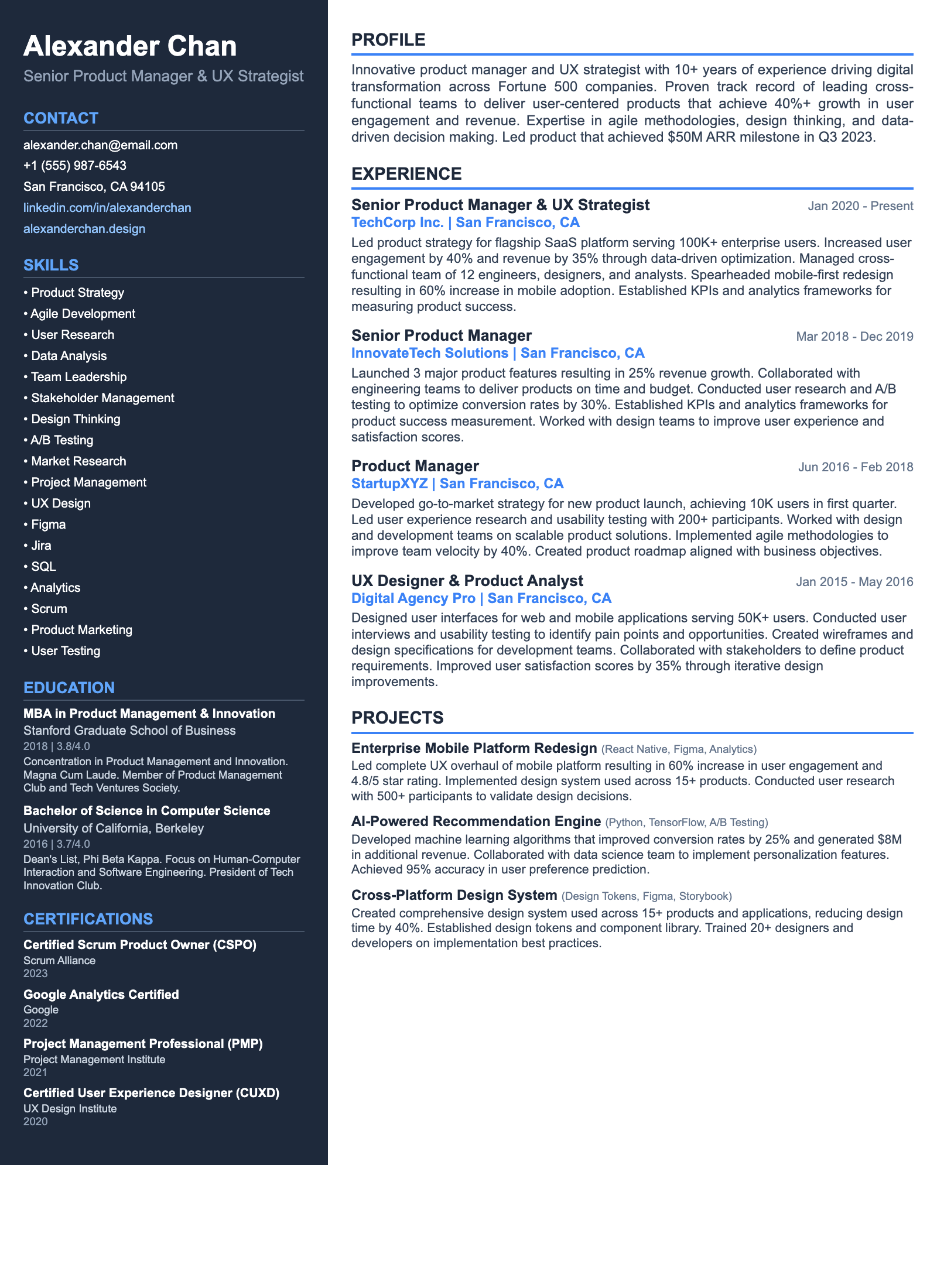
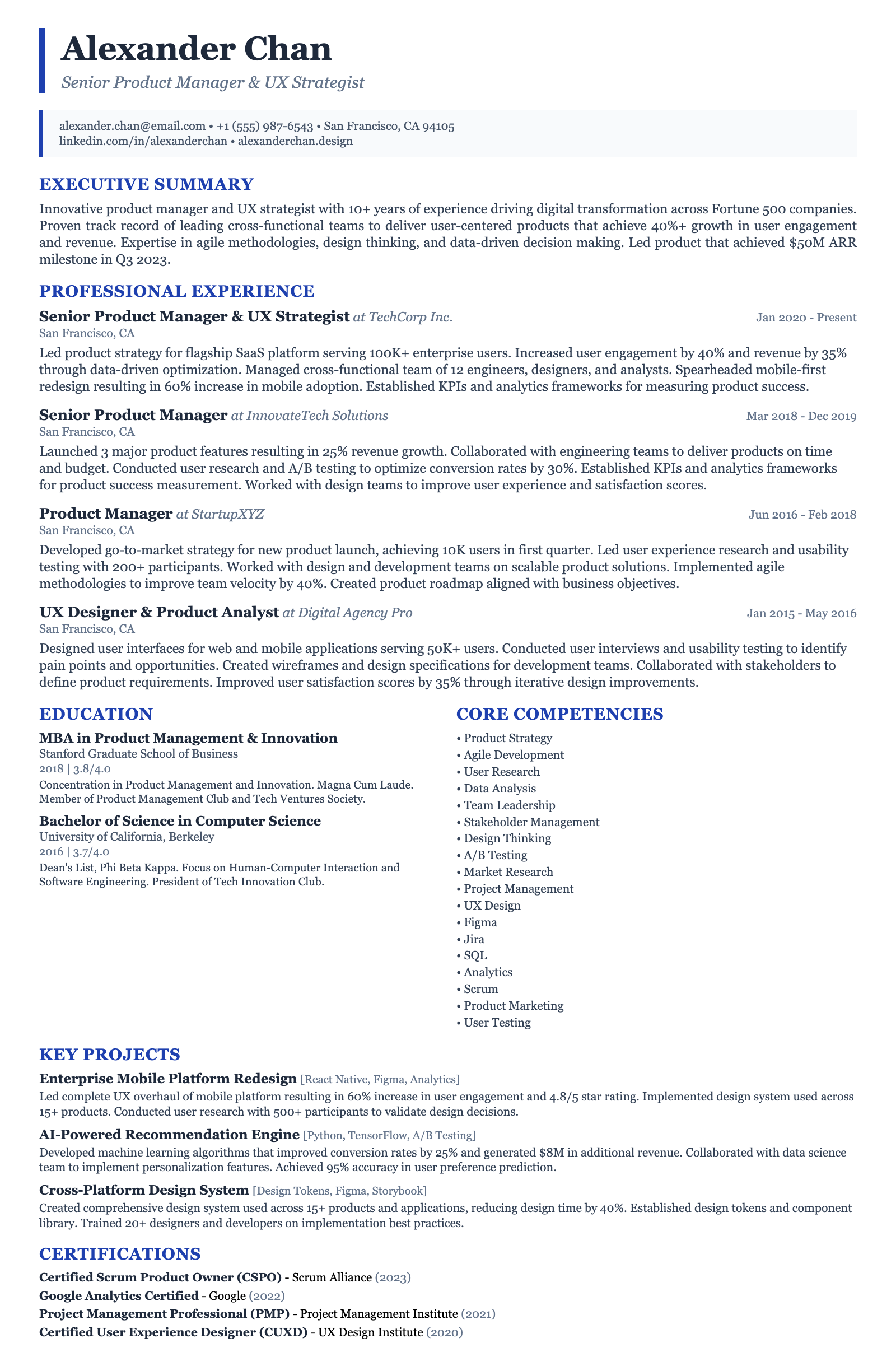
Recommended Resume Templates
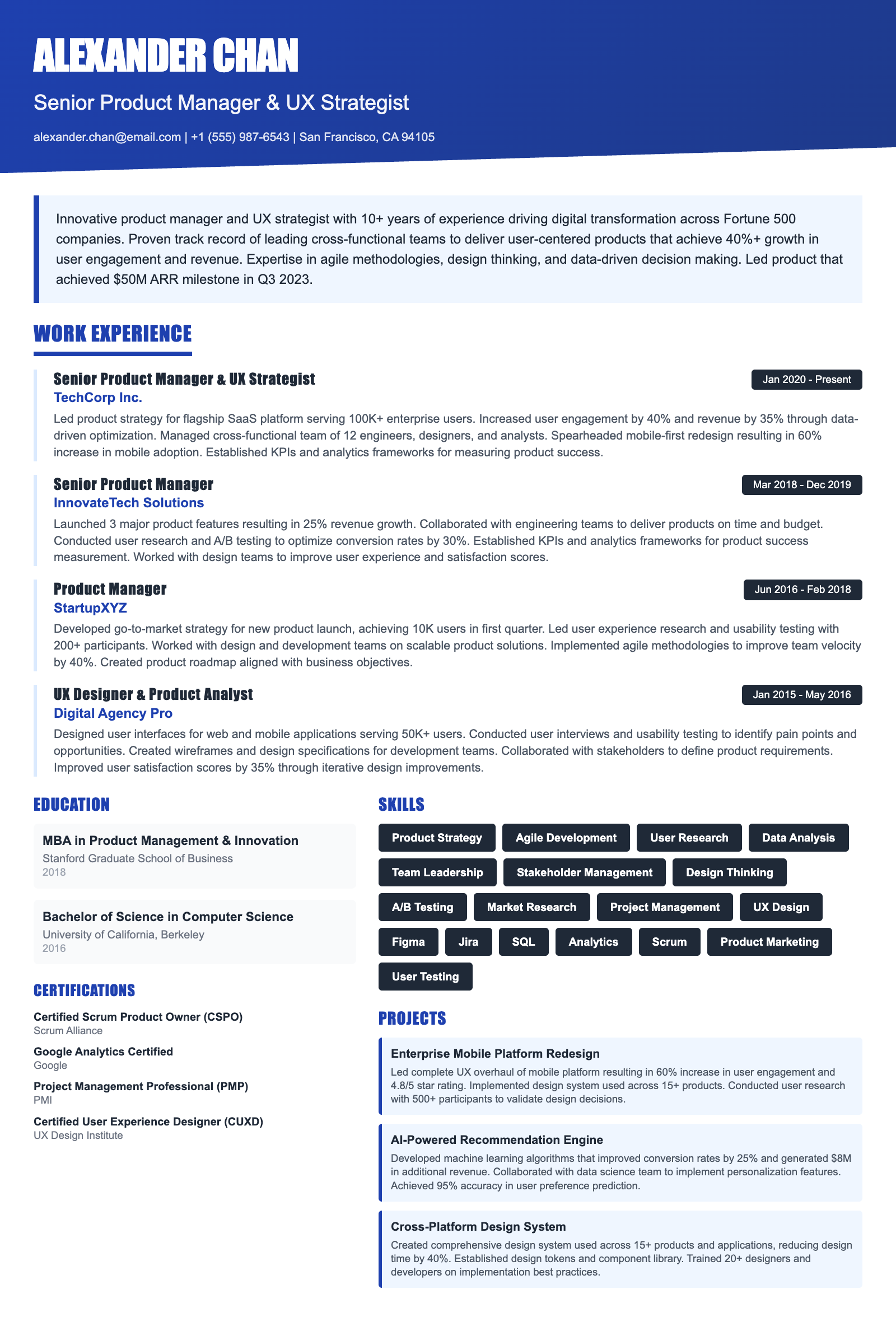
ATS-friendly templates designed specifically for Junior Construction Data Analyst positions in the US market.
Frequently Asked Questions
What are the essential skills for a Junior Construction Data Analyst?
Key skills include proficiency in data analysis tools (Excel, SQL, Tableau/Power BI), strong analytical and problem-solving abilities, excellent communication skills, and a basic understanding of construction processes.
What kind of education is required for this role?
A bachelor's degree in a related field such as data science, statistics, engineering, or construction management is typically required. Some employers may also consider candidates with an associate's degree and relevant experience.
What is the career path for a Construction Data Analyst?
The typical career path progresses from Junior Construction Data Analyst to Construction Data Analyst, then Senior Construction Data Analyst. With experience and leadership skills, you can advance to roles such as Data Science Manager or Construction Technology Director.
What are the common challenges faced by Construction Data Analysts?
Common challenges include dealing with incomplete or inaccurate data, communicating complex findings to non-technical audiences, and keeping up with the latest trends and technologies in data analysis.
How can I prepare for an interview for a Construction Data Analyst role?
Prepare by practicing your data analysis skills, reviewing common interview questions, and researching the company and its projects. Be ready to discuss your experience with data analysis tools and techniques, as well as your understanding of construction processes.
What is the importance of data analysis in the construction industry?
Data analysis is crucial for improving project efficiency, reducing costs, mitigating risks, and making data-driven decisions. It helps construction companies identify trends, optimize processes, and improve overall project performance.
What types of projects might a Construction Data Analyst work on?
A Construction Data Analyst might work on a variety of projects, including cost analysis, schedule optimization, risk assessment, and resource allocation. They may also be involved in developing predictive models for project outcomes.
What are some key software programs used by Construction Data Analysts?
Key software programs include Microsoft Excel, SQL databases (e.g., MySQL, PostgreSQL), data visualization tools like Tableau and Power BI, and project management software like Procore or Primavera P6.
Ready to Build Your Junior Construction Data Analyst Resume?
Use our AI-powered resume builder to create an ATS-optimized resume tailored for Junior Construction Data Analyst positions in the US market.