Entry-Level Manufacturing Nurse: Launch Your Career!
Kickstart your nursing career in the manufacturing sector! This entry-level role offers invaluable experience in occupational health, safety, and employee well-being. Learn how to blend your clinical skills with the fast-paced environment of a manufacturing plant.
Essential Skills for Entry-Level Manufacturing Nurse
Include these keywords in your resume to pass ATS screening and impress recruiters.
Must-Have Skills
- Communication
- Time Management
- Clinical Skills
- Critical Thinking
- Empathy
Technical Skills
- Electronic Health Records (EHR)
- First Aid/CPR Certification
- OSHA Regulations Knowledge
- Bloodborne Pathogens Training
- Medical Equipment Operation
Soft Skills
A Day in the Life
The day begins with a team huddle, reviewing any safety concerns or incidents from the previous shift. After checking inventory and restocking medical supplies, the nurse prepares for the day's scheduled health assessments. A new employee comes in for a pre-employment screening, including a vision test, hearing test, and review of their medical history. Later, a worker reports a minor cut; the nurse cleans and dresses the wound, documenting the incident and providing safety instructions. In the afternoon, the nurse leads a short training session on proper lifting techniques to prevent back injuries. The day concludes with updating employee medical records, preparing a report on workplace injuries, and collaborating with the safety manager to identify potential hazards and implement preventative measures. Throughout the day, the nurse responds to various employee health concerns, providing first aid, advice, and referrals as needed. They are also available to respond to emergencies, providing immediate care and coordinating with emergency medical services.
Career Progression Path
Entry-Level Manufacturing Nurse
Occupational Health Nurse
Senior Occupational Health Nurse
Occupational Health and Safety Manager
Interview Questions & Answers
Prepare for your Entry-Level Manufacturing Nurse interview with these commonly asked questions.
Tell me about a time you had to handle a medical emergency under pressure.
MediumSituation: While working as a student nurse in the ER, a patient came in experiencing a severe allergic reaction. Task: My task was to assist the attending physician and nurses in administering medication and monitoring the patient's vital signs. Action: I quickly gathered the necessary equipment, assisted with administering epinephrine, and closely monitored the patient's breathing and heart rate. I communicated effectively with the team, relaying important information about the patient's condition. Result: The patient's condition stabilized, and they were able to breathe more easily. The physician praised my quick thinking and ability to remain calm under pressure. This experience reinforced the importance of remaining composed and acting quickly in emergency situations.
How do you stay up-to-date with the latest developments in occupational health and safety?
MediumI stay current by regularly reading industry journals such as the *Journal of Occupational and Environmental Medicine* and *AAOHN Journal*. I also attend webinars and conferences offered by organizations like the American Association of Occupational Health Nurses (AAOHN) and the National Safety Council (NSC). Furthermore, I follow OSHA updates closely and participate in continuing education courses to maintain my certifications and expand my knowledge base.
Describe your experience with OSHA regulations and compliance.
MediumDuring my clinical rotations, I actively participated in safety audits and inspections, ensuring compliance with OSHA standards related to hazard communication, personal protective equipment (PPE), and bloodborne pathogens. I also assisted in developing and implementing safety training programs for employees. I understand the importance of OSHA regulations in creating a safe and healthy work environment, and I am committed to upholding these standards.
How would you handle a situation where an employee refuses to follow safety protocols?
MediumFirst, I would calmly and respectfully explain the importance of following the safety protocol and the potential risks of not doing so. I would listen to their concerns and try to understand why they are hesitant. If they still refuse, I would escalate the issue to the safety manager or supervisor, documenting the incident and the steps I took to address it. My priority is to ensure the safety of all employees and maintain a culture of compliance.
How do you prioritize tasks when faced with multiple demands and deadlines?
EasyI prioritize tasks based on urgency and importance. I use a system like the Eisenhower Matrix (urgent/important) to categorize tasks and focus on those that are both urgent and important first. I also delegate tasks when appropriate and communicate clearly with my team to ensure everyone is aware of priorities and deadlines. Effective time management and organization are essential for managing multiple demands effectively.
Why are you interested in working as a manufacturing nurse?
EasyI am drawn to the proactive aspect of occupational health. I want to focus on prevention and early intervention, rather than just treating illnesses after they occur. The manufacturing environment presents unique challenges and opportunities to promote employee well-being and create a safer workplace. I also appreciate the opportunity to work collaboratively with different departments and contribute to a company's overall success by ensuring the health and safety of its workforce.
Give an example of a time you had to de-escalate a conflict with a patient or coworker.
MediumSituation: During a particularly busy shift, a patient became agitated because their pain medication was delayed. Task: My task was to calm the patient and address their concerns without disrupting other patients or staff. Action: I approached the patient calmly and listened attentively to their complaints. I empathized with their pain and explained the reason for the delay, assuring them that I would check on their medication immediately. I then followed up with the pharmacy and communicated the updated timeline to the patient. Result: The patient appreciated my understanding and proactive communication, and their agitation subsided. They thanked me for taking the time to listen and address their concerns. This experience taught me the importance of empathy and clear communication in de-escalating conflict.
ATS Optimization Tips
Make sure your resume passes Applicant Tracking Systems used by US employers.
Use standard section headings: 'Professional Experience' not 'Where I've Worked'
Include exact job title from the posting naturally in your resume
Add a Skills section with Manufacturing-relevant keywords from the job description
Save as .docx or .pdf (check the application instructions)
Avoid tables, text boxes, headers/footers, and images - these confuse ATS parsers
Common Resume Mistakes to Avoid
Don't make these errors that get resumes rejected.
Lack of specific manufacturing experience on resume.
Failing to highlight OSHA and safety knowledge.
Not emphasizing communication and teamwork skills.
Omitting relevant certifications (CPR, First Aid).
Generic resume lacking quantifiable achievements.
Industry Outlook
The US market for Entry-Level Manufacturing Nurse professionals remains highly competitive. Recruiters and ATS systems prioritize action verbs, quantifiable outcomes (e.g., "Reduced latency by 40%", "Led a team of 8"), and clear alignment with job descriptions. Candidates who demonstrate measurable impact and US-relevant certifications—coupled with a one-page, no-photo resume—see significantly higher callback rates in major hubs like California, Texas, and New York.
Top Hiring Companies
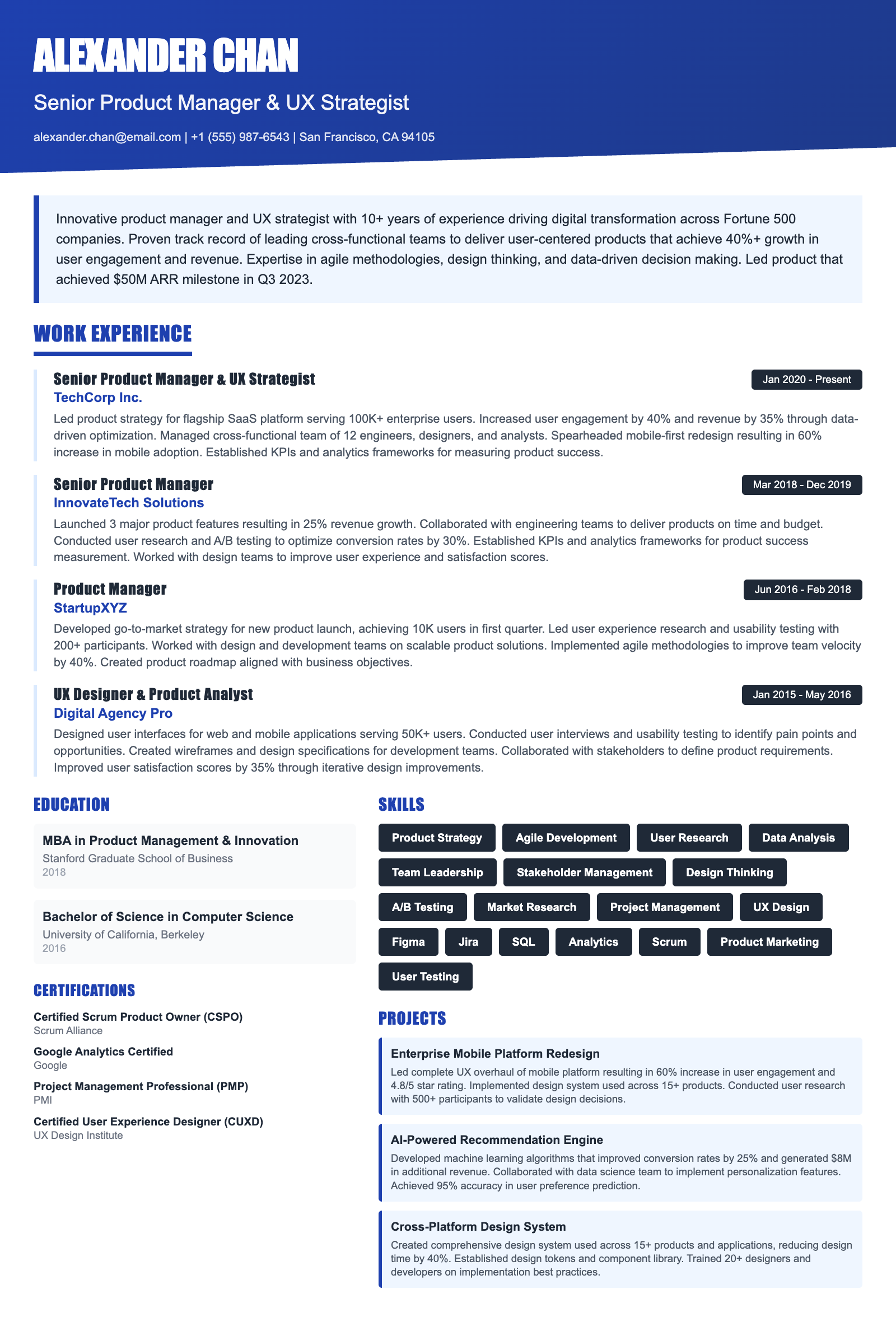
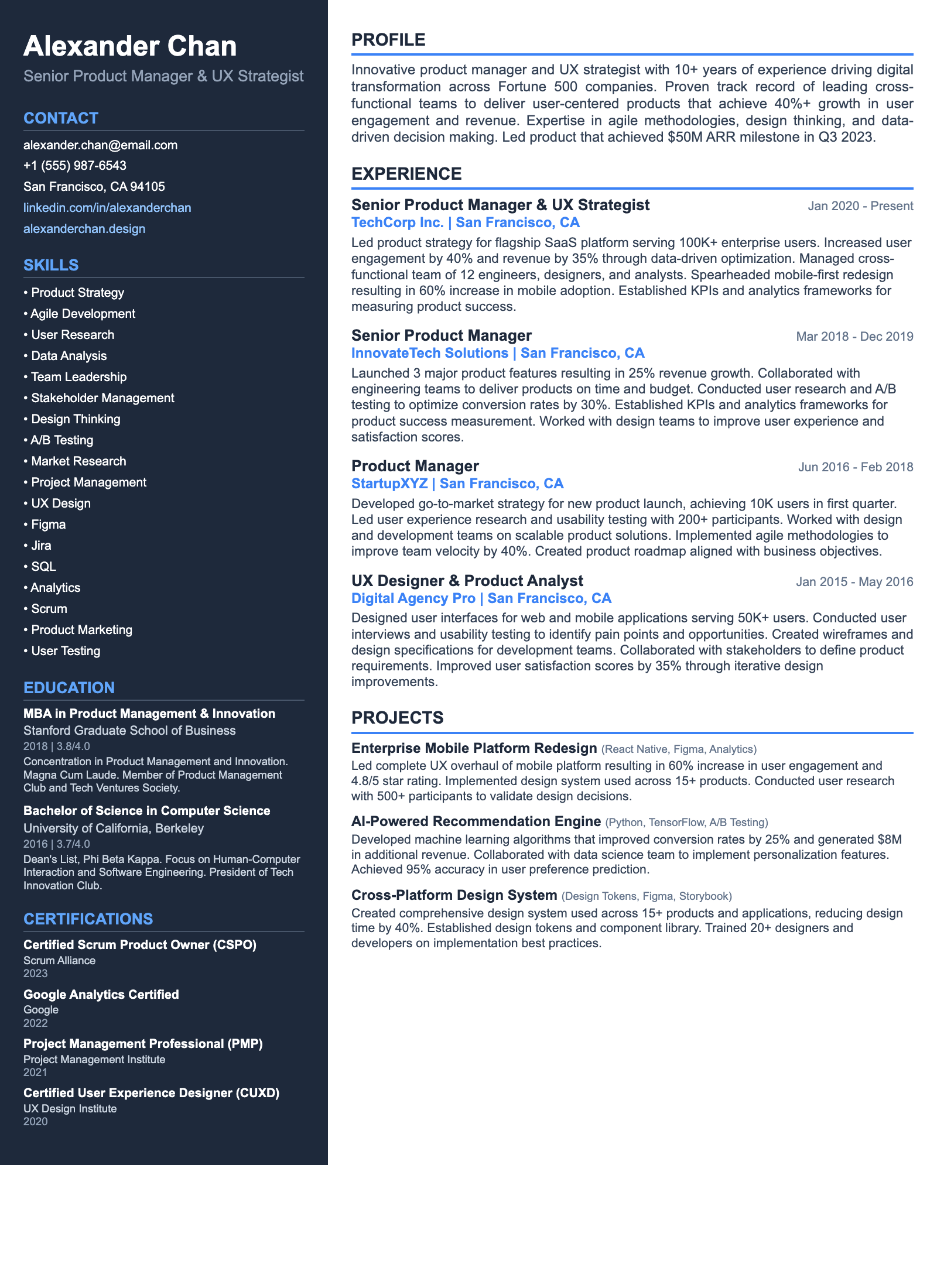
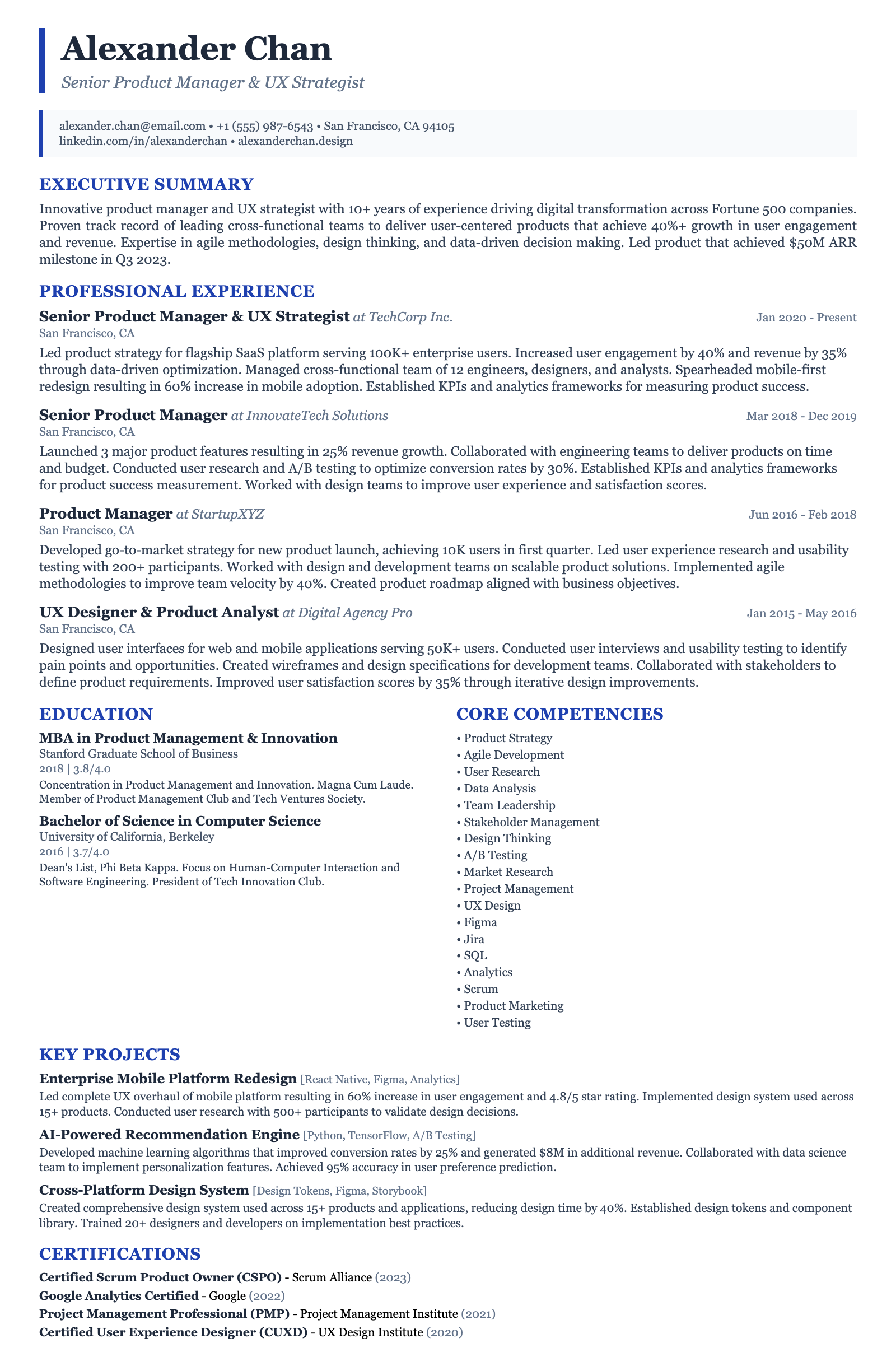
Recommended Resume Templates
ATS-friendly templates designed specifically for Entry-Level Manufacturing Nurse positions in the US market.
Frequently Asked Questions
What qualifications do I need to become a manufacturing nurse?
You typically need a valid Registered Nurse (RN) license, a Bachelor of Science in Nursing (BSN) is often preferred. Certifications in CPR, First Aid, and potentially OSHA training are also highly valued. Experience in occupational health is a plus, but not always required for entry-level positions.
What are the working hours like for a manufacturing nurse?
Working hours can vary depending on the company and the size of the manufacturing facility. Many positions are full-time, Monday through Friday, with regular business hours. However, some facilities may require nurses to work rotating shifts or be on call to provide 24/7 coverage.
What kind of training will I receive as an entry-level manufacturing nurse?
You can expect to receive on-the-job training specific to the manufacturing environment, including safety protocols, hazard identification, and the use of medical equipment. You may also receive training in OSHA regulations, worker's compensation, and other relevant topics.
What are the biggest challenges of being a manufacturing nurse?
Some of the biggest challenges include managing worker's compensation cases, dealing with workplace injuries, promoting employee health and safety in a potentially hazardous environment, and staying up-to-date with OSHA regulations and industry best practices.
What opportunities are there for career advancement in occupational health nursing?
With experience and further education, you can advance to roles such as Occupational Health Nurse, Safety Manager, Ergonomics Specialist, or even leadership positions within the company's health and safety department. Certifications like COHN/COHN-S can also enhance your career prospects.
What is the difference between an occupational health nurse and a regular RN?
While both are RNs, an occupational health nurse focuses specifically on the health and safety of employees in the workplace. They deal with workplace injuries, illnesses, health assessments, and preventative care programs tailored to the specific hazards and demands of the work environment. A regular RN's scope is broader and not specific to the workplace.
Is experience in a specific manufacturing industry required?
While experience in a specific manufacturing industry can be beneficial, it is not always required for entry-level positions. Companies are often willing to train new graduates or nurses with experience in other areas of healthcare.
What are the key soft skills for a manufacturing nurse?
Key soft skills include strong communication, teamwork, adaptability, empathy, and critical thinking. You need to be able to communicate effectively with employees from diverse backgrounds, work collaboratively with other departments, adapt to changing priorities, and provide compassionate care.
Ready to Build Your Entry-Level Manufacturing Nurse Resume?
Use our AI-powered resume builder to create an ATS-optimized resume tailored for Entry-Level Manufacturing Nurse positions in the US market.