Launch Your Career: Entry-Level Graphic Designer
In the US job market, recruiters spend seconds scanning a resume. They look for impact (metrics), clear tech or domain skills, and education. This guide helps you build an ATS-friendly Entry-Level Manufacturing Graphic Designer resume that passes filters used by top US companies. Use US Letter size, one page for under 10 years experience, and no photo.
Essential Skills for Entry-Level Manufacturing Graphic Designer
Include these keywords in your resume to pass ATS screening and impress recruiters.
Must-Have Skills
- Communication
- Time Management
- Creativity
- Attention to Detail
- Problem-Solving
Technical Skills
- Adobe Creative Suite (Photoshop, Illustrator, InDesign)
- CAD Software (e.g., AutoCAD, SolidWorks)
- 3D Modeling Software (e.g., Blender, Maya)
- Typography
- Print Production
Soft Skills
A Day in the Life
My day starts with checking emails and attending a brief team meeting to discuss project priorities and deadlines. I then dive into designing packaging for a new product line, using Adobe Illustrator to create eye-catching graphics and ensuring all required information is clearly displayed. After lunch, I collaborate with the engineering team to develop technical illustrations for a user manual, using CAD software to create accurate and easy-to-understand diagrams. I spend the afternoon refining website banners for an upcoming marketing campaign, ensuring they align with the company's brand guidelines and resonate with the target audience. Before the day ends, I review my work with the marketing manager, incorporating their feedback and making final adjustments to the designs. Finally, I organize my files and prepare for the next day's tasks, feeling a sense of accomplishment for contributing to the company's success through impactful visual communication.
Career Progression Path
Junior Graphic Designer
Graphic Designer
Senior Graphic Designer
Art Director
Creative Director
Interview Questions & Answers
Prepare for your Entry-Level Manufacturing Graphic Designer interview with these commonly asked questions.
Describe a time you had to work under a tight deadline. How did you manage your time and ensure the project was completed successfully?
MediumSTAR Method: Situation: I was tasked with designing a brochure for a new product launch with only three days to complete it. Task: I needed to create a visually appealing and informative brochure that met the client's requirements and branding guidelines. Action: I immediately prioritized the tasks, breaking them down into smaller, manageable steps. I communicated with the client to clarify their expectations and gather all necessary information. I worked efficiently, focusing on the most critical elements first. I also sought feedback from colleagues to ensure the design was effective and error-free. Result: Despite the tight deadline, I successfully completed the brochure on time and to the client's satisfaction. The brochure was well-received and contributed to a successful product launch.
Tell me about a time you received feedback on your design work that you disagreed with. How did you handle the situation?
MediumSTAR Method: Situation: While designing a user manual, the engineering team suggested simplifying a complex diagram, which I felt would lose important detail. Task: I needed to address their concerns while advocating for a design that maintained clarity and accuracy. Action: I respectfully listened to their feedback and acknowledged their perspective. I then explained my rationale for the original design, highlighting the importance of the detail in conveying the information effectively. I offered alternative solutions that addressed their concerns while preserving the essential elements of the diagram. Result: Through open communication and collaboration, we reached a compromise that satisfied both parties. The final design was both simplified and informative, ensuring the user manual was clear and easy to understand.
What design software are you most proficient in, and how have you used it in past projects?
EasyI am highly proficient in Adobe Photoshop, Illustrator, and InDesign. In a previous project designing product packaging, I utilized Illustrator to create vector graphics and logos, Photoshop to enhance product images, and InDesign to layout the overall packaging design, ensuring it met all branding guidelines and regulatory requirements.
Describe your understanding of brand guidelines and how you ensure consistency across all design materials.
MediumBrand guidelines are crucial for maintaining a consistent and recognizable brand identity. I ensure consistency by thoroughly reviewing the brand guidelines before starting any project. This includes understanding the logo usage, color palette, typography, and overall tone and style. I create style guides for each project to ensure all design elements adhere to the brand guidelines. I also seek feedback from the marketing team to ensure my designs align with their vision for the brand.
How do you stay up-to-date with the latest design trends and technologies?
EasyI actively follow design blogs, attend online webinars and conferences, and participate in online design communities. I also experiment with new software and techniques in my personal projects to expand my skillset and stay ahead of the curve. I am a member of AIGA and regularly attend their events.
Can you describe a manufacturing-related design project you've worked on, even if it was a personal project?
MediumSTAR Method: Situation: I undertook a personal project to redesign the user manual for a common household appliance, a coffee maker. Task: The existing manual was poorly designed, confusing, and lacked visual appeal. My goal was to create a user-friendly and visually engaging manual. Action: I researched coffee maker operation, consulted with users to understand their pain points, and designed clear and concise instructions with detailed illustrations using Adobe Illustrator. I focused on simplifying complex steps and creating a visually appealing layout. Result: The redesigned manual was significantly easier to understand and use, receiving positive feedback from users. This project demonstrated my ability to apply design principles to improve the user experience in a manufacturing-related context.
How do you handle conflicting priorities when working on multiple projects?
MediumI prioritize tasks based on deadlines, importance, and impact. I use project management tools to track progress and manage my time effectively. I communicate regularly with stakeholders to ensure alignment and manage expectations. If conflicts arise, I discuss the situation with my manager and work collaboratively to find a solution that meets the needs of all parties involved.
ATS Optimization Tips
Make sure your resume passes Applicant Tracking Systems used by US employers.
Use standard section headings: 'Professional Experience' not 'Where I've Worked'
Include exact job title from the posting naturally in your resume
Add a Skills section with Manufacturing-relevant keywords from the job description
Save as .docx or .pdf (check the application instructions)
Avoid tables, text boxes, headers/footers, and images - these confuse ATS parsers
Common Resume Mistakes to Avoid
Don't make these errors that get resumes rejected.
Generic resume with no manufacturing focus
Portfolio lacking relevant manufacturing-related projects
Poorly formatted resume with typos and grammatical errors
Lack of quantifiable achievements or results
Ignoring company brand guidelines in portfolio samples
Industry Outlook
The US market for Entry-Level Manufacturing Graphic Designer professionals remains highly competitive. Recruiters and ATS systems prioritize action verbs, quantifiable outcomes (e.g., "Reduced latency by 40%", "Led a team of 8"), and clear alignment with job descriptions. Candidates who demonstrate measurable impact and US-relevant certifications—coupled with a one-page, no-photo resume—see significantly higher callback rates in major hubs like California, Texas, and New York.
Top Hiring Companies
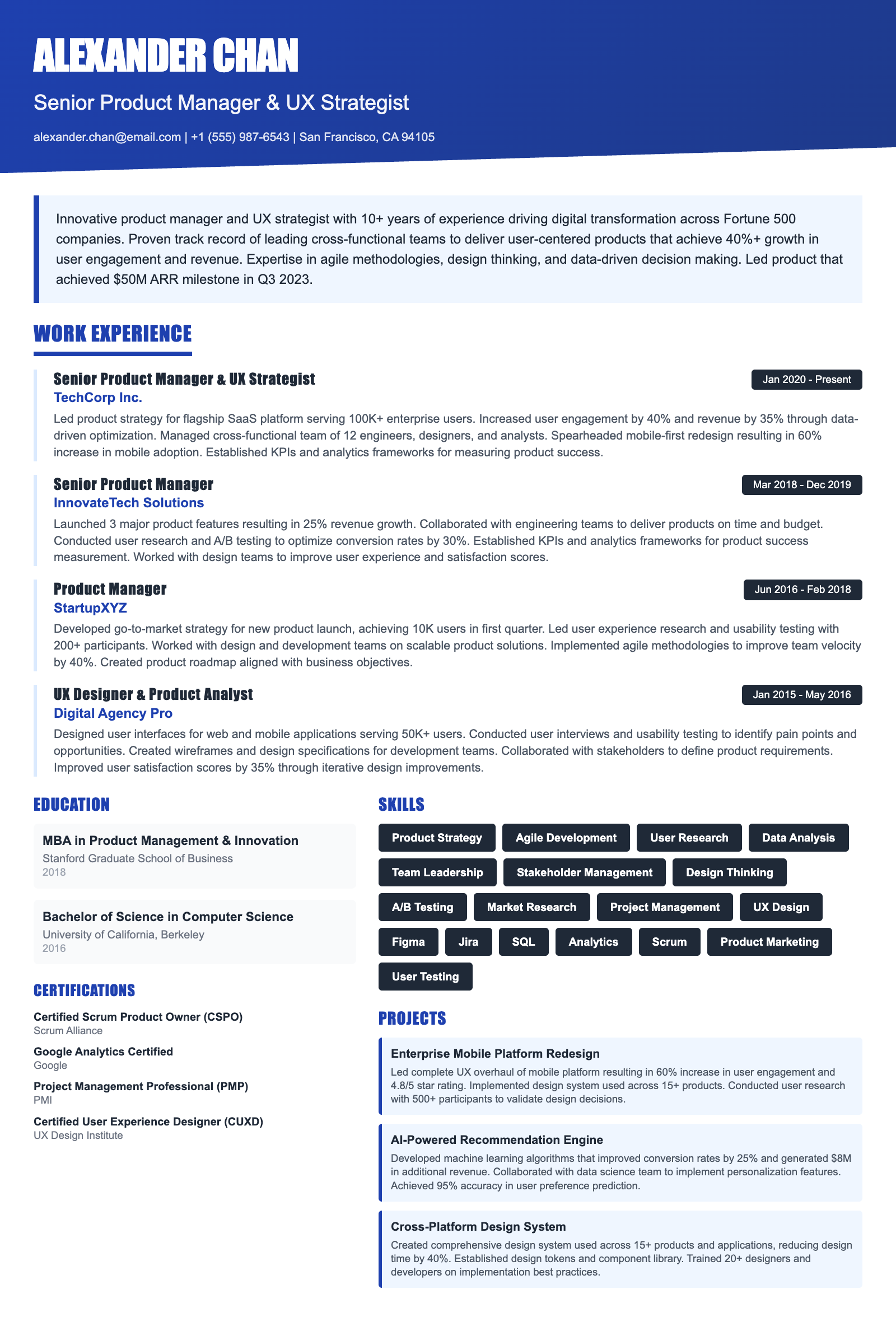
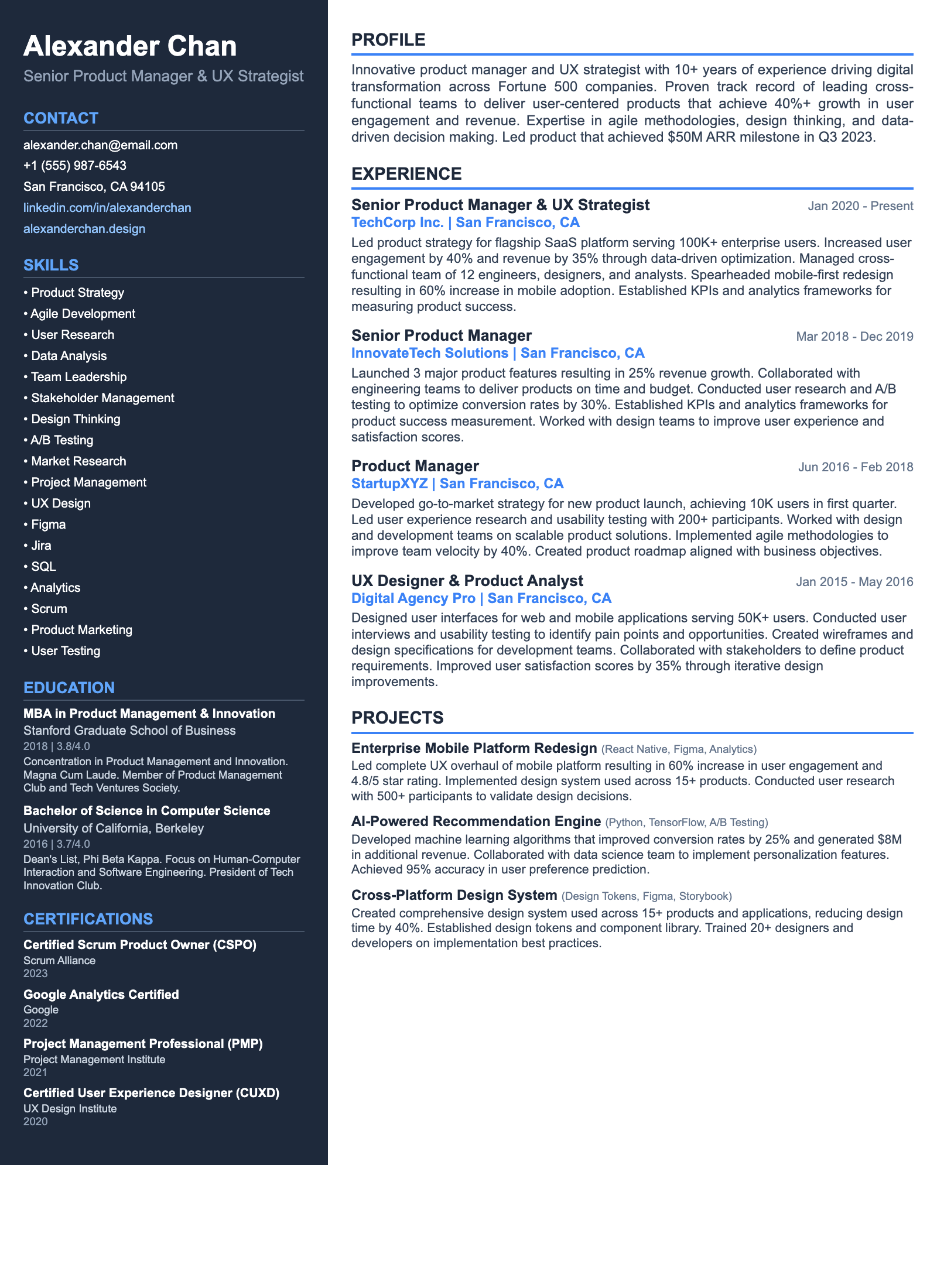
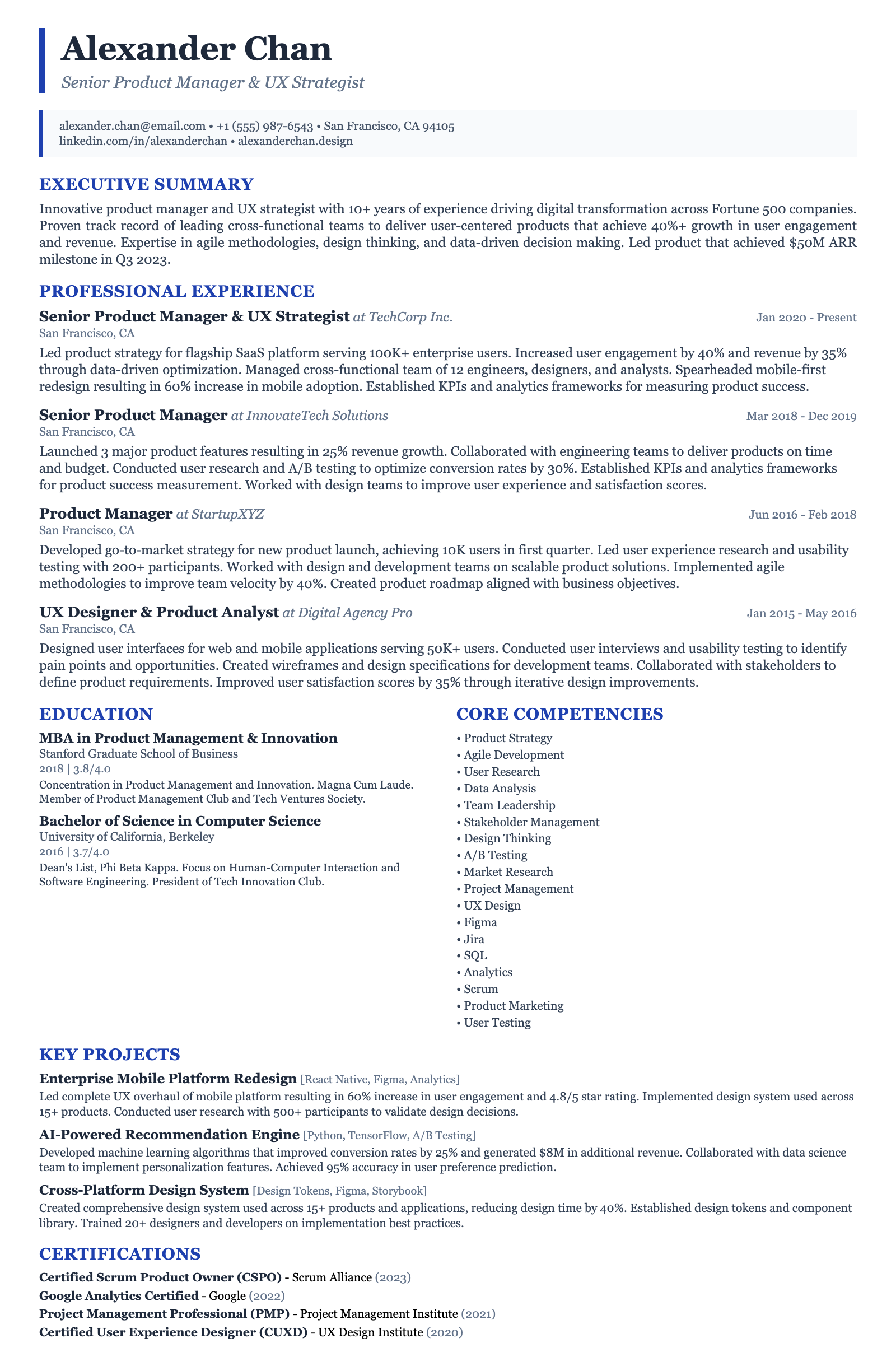
Recommended Resume Templates
ATS-friendly templates designed specifically for Entry-Level Manufacturing Graphic Designer positions in the US market.
Frequently Asked Questions
What software skills are most important for this role?
Proficiency in Adobe Creative Suite (Photoshop, Illustrator, InDesign) is essential. Experience with CAD or 3D modeling software is a plus.
What kind of portfolio should I present?
Showcase projects that demonstrate your design skills, creativity, and understanding of brand guidelines. Include manufacturing-related projects if possible, even if they are personal projects.
What are the key qualities of a successful manufacturing graphic designer?
Creativity, attention to detail, strong communication skills, ability to work collaboratively, and a passion for design.
Is a formal design degree required?
While a degree in graphic design or a related field is preferred, a strong portfolio and relevant experience can also be considered.
What's the typical career progression for this role?
You can advance to roles such as Senior Graphic Designer, Art Director, or Creative Director with experience and demonstrated skills.
How important is teamwork in this role?
Teamwork is critical. You'll collaborate with marketing, product development, and engineering teams to bring designs to life.
What are some common challenges in manufacturing graphic design?
Meeting tight deadlines, adhering to strict brand guidelines, and communicating complex technical information visually.
How can I prepare for the interview?
Research the company, review your portfolio, and practice answering common interview questions. Be prepared to discuss your design process and showcase your problem-solving skills.
Ready to Build Your Entry-Level Manufacturing Graphic Designer Resume?
Use our AI-powered resume builder to create an ATS-optimized resume tailored for Entry-Level Manufacturing Graphic Designer positions in the US market.