
Entry-Level Legal Financial Analyst: Launch Your Career
Kickstart your finance career in the legal sector! This entry-level role combines financial analysis with legal knowledge, offering a unique and rewarding opportunity to contribute to firm success. We'll provide the training and support you need to thrive.
Essential Skills for Entry-Level Legal Financial Analyst
Include these keywords in your resume to pass ATS screening and impress recruiters.
Must-Have Skills
- Communication Skills
- Time Management
- Analytical Skills
- Attention to Detail
- Problem-Solving
Technical Skills
- Microsoft Excel (Advanced)
- Financial Modeling
- Accounting Software (e.g., QuickBooks, Xero)
- Data Visualization Tools (e.g., Tableau, Power BI)
- Legal Billing Software (e.g., Clio, Time Matters)
Soft Skills
A Day in the Life
The day begins with reviewing the previous day's financial reports, identifying any anomalies or urgent issues. Next, the focus shifts to processing invoices and managing accounts payable, ensuring timely payments to vendors and compliance with firm policies. A significant portion of the morning is dedicated to assisting attorneys with financial research for ongoing cases, analyzing financial statements, calculating potential damages, and preparing supporting documentation. After lunch, the afternoon is spent on budget preparation and forecasting, collaborating with department heads to gather input and develop realistic financial projections. The day concludes with preparing a presentation for management on key performance indicators (KPIs) and identifying areas for potential improvement. This involves creating charts, graphs, and concise summaries to effectively communicate findings. Throughout the day, there are impromptu meetings with various team members to address queries, resolve issues, and ensure seamless financial operations within the legal firm. Building strong relationships with colleagues is crucial for effective collaboration and optimal performance.
Career Progression Path
Entry-Level Legal Financial Analyst
Legal Financial Analyst
Senior Legal Financial Analyst
Legal Finance Manager
Director of Legal Finance
Interview Questions & Answers
Prepare for your Entry-Level Legal Financial Analyst interview with these commonly asked questions.
Tell me about a time you had to analyze a large dataset to identify trends or discrepancies. What was your approach, and what were the results?
MediumSituation: In a previous internship, I was tasked with analyzing a year's worth of sales data to identify underperforming product lines. Task: My goal was to pinpoint the root causes of the underperformance and propose actionable solutions. Action: I used Excel to clean and organize the data, then applied pivot tables and statistical analysis to identify trends in sales volume, customer demographics, and marketing spend. I discovered that certain product lines were not being effectively marketed to their target audience. Result: I presented my findings to the marketing team, who then implemented a targeted marketing campaign that resulted in a 15% increase in sales for the underperforming product lines within three months.
Describe your experience with budgeting and forecasting. What methods do you use, and how do you ensure accuracy?
MediumSituation: During my accounting coursework, I led a project to create a budget for a hypothetical startup company. Task: The challenge was to develop a realistic and comprehensive budget that would guide the company's financial decisions. Action: I researched industry benchmarks, analyzed market trends, and developed a detailed financial model using Excel. I incorporated sensitivity analysis to account for potential risks and uncertainties. Result: My team's budget was praised by the professor for its thoroughness and accuracy, and it served as a valuable tool for the hypothetical company's strategic planning.
How do you handle working under pressure and meeting tight deadlines?
EasySituation: In a previous role, I was responsible for preparing a financial report for a client with a very short turnaround time. Task: I had to prioritize tasks, manage my time effectively, and ensure the accuracy of the report. Action: I broke down the project into smaller, manageable tasks, set realistic deadlines for each task, and focused on completing the most critical tasks first. I also communicated regularly with the client to keep them informed of my progress. Result: I successfully delivered the report on time and within budget, and the client was very satisfied with the quality of my work.
Explain your understanding of key financial metrics, such as ROI, NPV, and IRR.
MediumROI (Return on Investment) measures the profitability of an investment relative to its cost. NPV (Net Present Value) calculates the present value of future cash flows, discounted by a specific rate. IRR (Internal Rate of Return) is the discount rate at which the NPV of an investment equals zero. These metrics are crucial for evaluating investment opportunities and making informed financial decisions.
What interests you about working in the legal industry, specifically in a financial role?
EasyI'm drawn to the intellectual rigor and problem-solving nature of the legal field. Combining my financial skills with the legal industry allows me to contribute to complex and challenging projects. I'm also interested in the unique financial dynamics of law firms, such as billing practices and case profitability analysis.
Describe a time you had to learn a new software or tool quickly. How did you approach it?
MediumSituation: During an internship, I was required to use a new data visualization tool, Tableau, to create interactive dashboards. Task: I had no prior experience with Tableau and needed to learn it quickly to meet project deadlines. Action: I utilized online tutorials, documentation, and practice datasets to familiarize myself with the software's features and functionalities. I also sought guidance from experienced colleagues. Result: Within a week, I was able to create complex dashboards that effectively communicated key insights from the data.
How do you ensure accuracy and attention to detail in your work?
EasyI have developed several strategies to ensure accuracy and attention to detail. Firstly, I always double-check my work and verify my calculations. Secondly, I use checklists and templates to ensure that I don't miss any steps or information. Thirdly, I seek feedback from colleagues and supervisors to identify potential errors or areas for improvement. Finally, I take breaks to maintain focus and avoid burnout.
ATS Optimization Tips
Make sure your resume passes Applicant Tracking Systems used by US employers.
Use standard section headings: 'Professional Experience' not 'Where I've Worked'
Include exact job title from the posting naturally in your resume
Add a Skills section with Legal-relevant keywords from the job description
Save as .docx or .pdf (check the application instructions)
Avoid tables, text boxes, headers/footers, and images - these confuse ATS parsers
Common Resume Mistakes to Avoid
Don't make these errors that get resumes rejected.
Lack of specific legal finance experience highlighted
Poorly formatted resume with grammatical errors
Failure to quantify accomplishments with metrics
Not tailoring the resume to the specific job description
Neglecting to showcase relevant technical skills (Excel, accounting software)
Industry Outlook
The US market for Entry-Level Legal Financial Analyst professionals remains highly competitive. Recruiters and ATS systems prioritize action verbs, quantifiable outcomes (e.g., "Reduced latency by 40%", "Led a team of 8"), and clear alignment with job descriptions. Candidates who demonstrate measurable impact and US-relevant certifications—coupled with a one-page, no-photo resume—see significantly higher callback rates in major hubs like California, Texas, and New York.
Top Hiring Companies
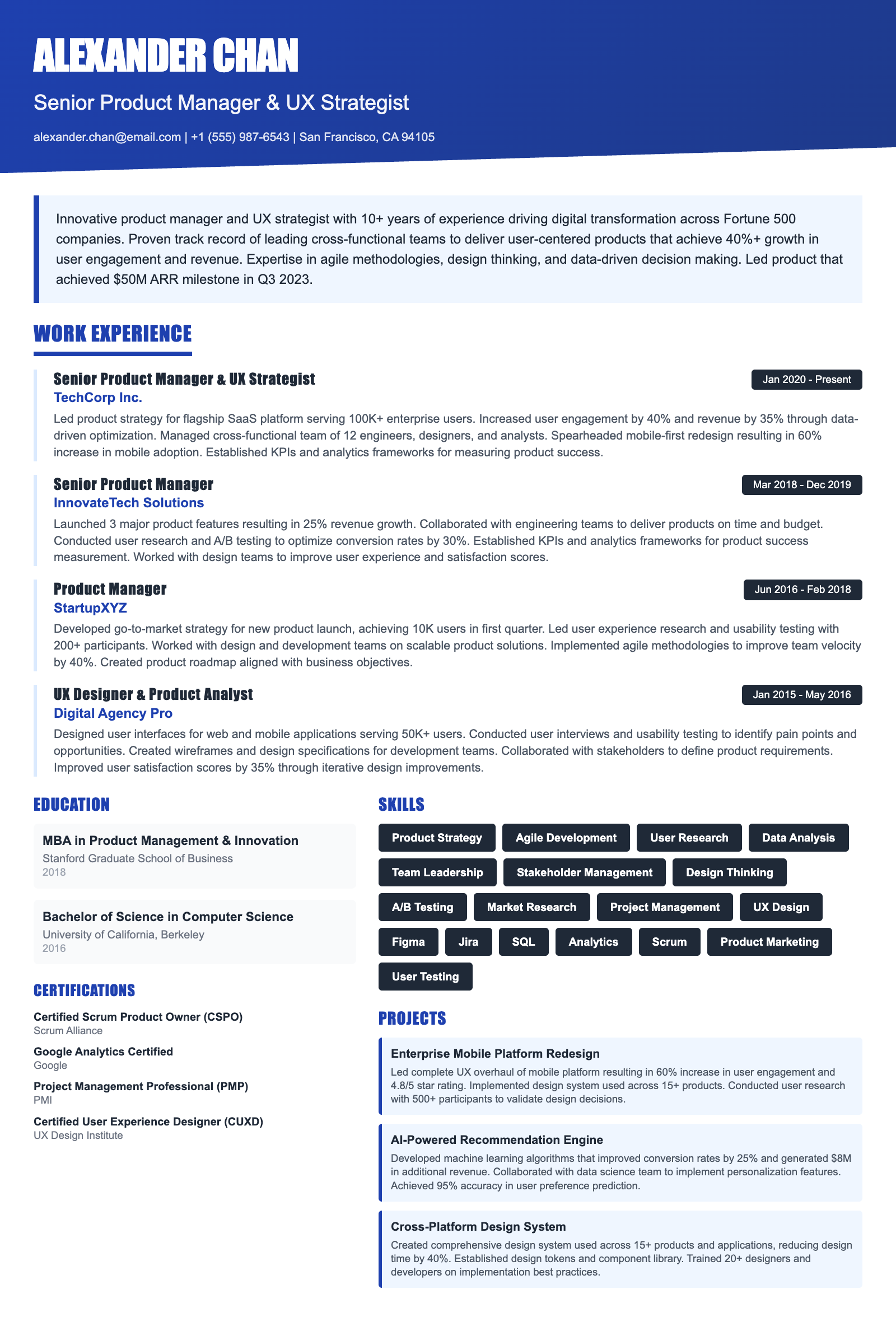
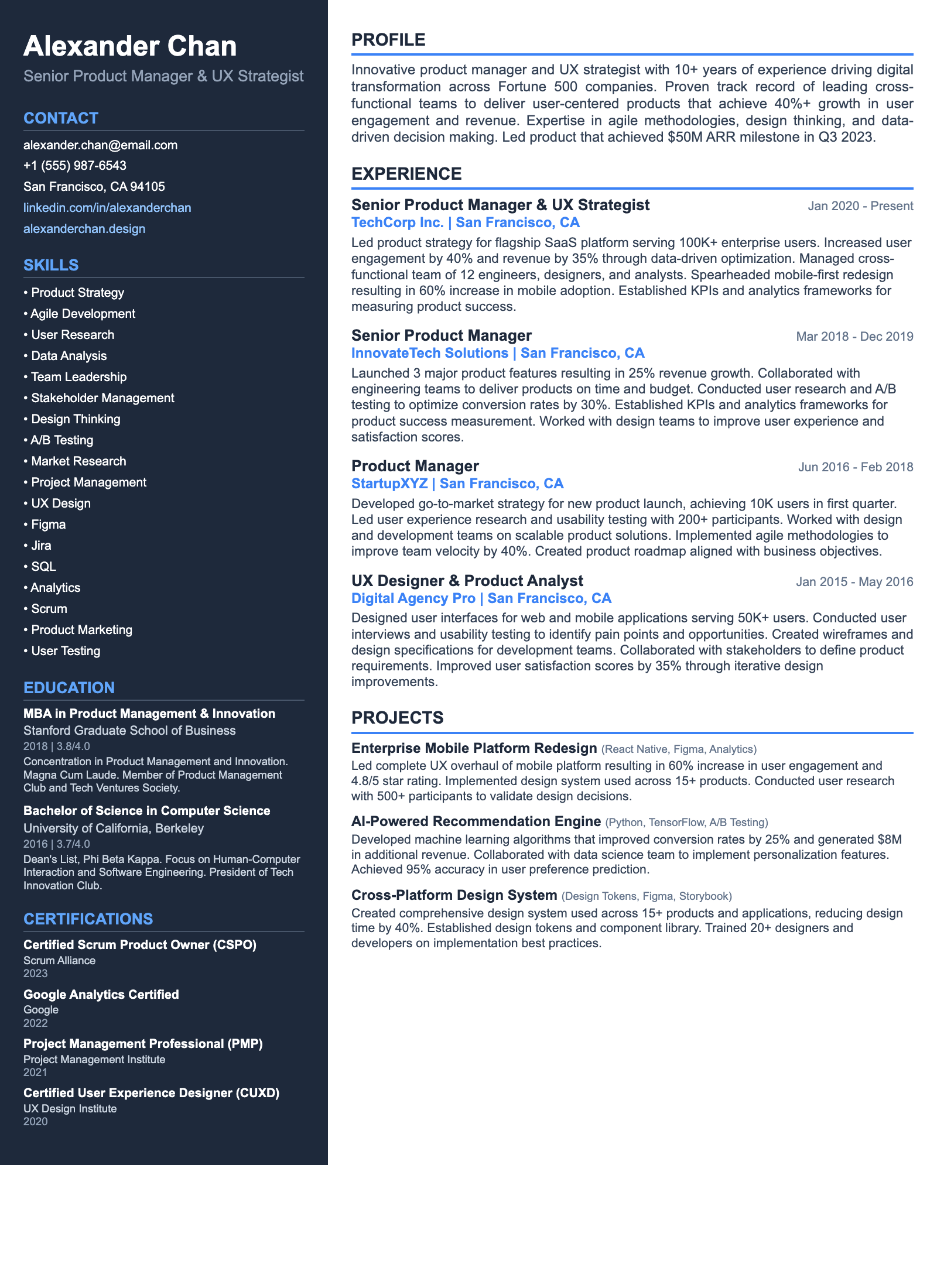
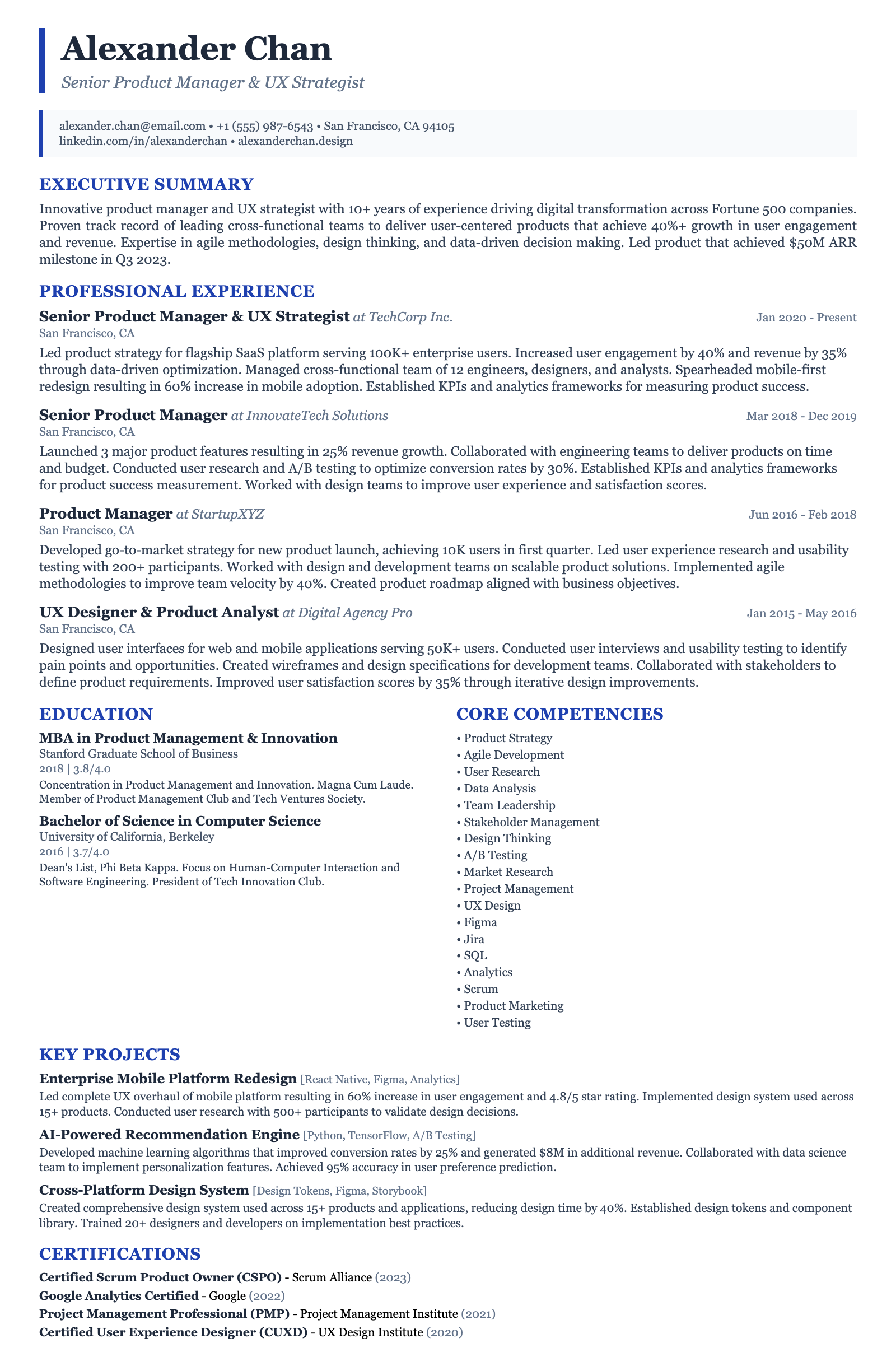
Recommended Resume Templates
ATS-friendly templates designed specifically for Entry-Level Legal Financial Analyst positions in the US market.
Frequently Asked Questions
What qualifications are typically required for an entry-level legal financial analyst?
A bachelor's degree in finance, accounting, economics, or a related field is typically required. Strong analytical and problem-solving skills, proficiency in Microsoft Excel, and excellent communication skills are also essential.
What are the typical career paths for legal financial analysts?
Typical career paths include progression to senior analyst roles, financial management positions, or even partnership within a law firm. Opportunities may also exist in consulting or regulatory agencies.
What software and tools are commonly used by legal financial analysts?
Common software and tools include Microsoft Excel, accounting software (e.g., QuickBooks, Xero), data visualization tools (e.g., Tableau, Power BI), and legal billing software (e.g., Clio, Time Matters).
What are the key skills needed to succeed in this role?
Key skills include analytical skills, financial modeling skills, communication skills, attention to detail, and problem-solving skills. Adaptability and teamwork are also crucial for success.
What is the difference between a legal financial analyst and a traditional financial analyst?
A legal financial analyst applies their financial expertise specifically within the legal industry, focusing on areas such as case profitability analysis, legal billing, and financial compliance within law firms. Traditional financial analysts may work in a broader range of industries.
What are some common challenges faced by legal financial analysts?
Common challenges include dealing with complex financial data, navigating legal regulations, meeting tight deadlines, and communicating financial information to non-financial professionals.
How can I prepare for an interview for a legal financial analyst position?
Prepare to discuss your financial skills, experience with relevant software, and knowledge of the legal industry. Practice answering common interview questions using the STAR method (Situation, Task, Action, Result). Research the law firm and its financial performance.
What is the work-life balance like for legal financial analysts?
Work-life balance can vary depending on the law firm and the demands of the role. Some periods may be more demanding, especially during budget season or major cases. However, many law firms are increasingly focused on promoting a healthy work-life balance for their employees.
Ready to Build Your Entry-Level Legal Financial Analyst Resume?
Use our AI-powered resume builder to create an ATS-optimized resume tailored for Entry-Level Legal Financial Analyst positions in the US market.