Launch Your Legal Data Science Career!
Are you a recent graduate passionate about data and law? This entry-level role is your gateway to applying data science techniques to solve complex legal challenges, shaping the future of the legal industry.
Essential Skills for Entry-Level Legal Data Scientist
Include these keywords in your resume to pass ATS screening and impress recruiters.
Must-Have Skills
- Strong Communication Skills
- Time Management & Organization
- Teamwork & Collaboration
- Problem-Solving Abilities
- Attention to Detail
Technical Skills
- Python (Pandas, Scikit-learn)
- SQL
- Data Visualization Tools (Tableau, Power BI)
- Machine Learning Algorithms
- Statistical Analysis
Soft Skills
A Day in the Life
Imagine starting your day by reviewing the latest case data, identifying crucial legal precedents and potential risks. You then collaborate with a team of lawyers to understand their specific data needs for an upcoming trial. Using Python and SQL, you extract, clean, and transform vast amounts of unstructured legal documents into a usable dataset. Next, you apply machine learning algorithms to predict the likelihood of different litigation outcomes, presenting your findings in a clear and concise report. The afternoon is spent refining your models based on lawyer feedback and exploring new data visualization techniques to communicate complex legal concepts effectively. Finally, you contribute to a brainstorming session on how data science can further improve the efficiency and accuracy of legal processes, ensuring that insights derived from data drive decisions across the firm. You end your day feeling empowered, knowing you're making a tangible impact on the legal field.
Career Progression Path
Entry-Level Legal Data Scientist
Legal Data Scientist
Senior Legal Data Scientist
Legal Data Science Manager
Director of Legal Data Science
Interview Questions & Answers
Prepare for your Entry-Level Legal Data Scientist interview with these commonly asked questions.
Tell me about a time you had to explain a complex technical concept to a non-technical audience.
MediumSituation: I was working on a project to predict litigation outcomes using machine learning. Task: I needed to present my findings to a team of lawyers who had limited technical knowledge. Action: I broke down the complex algorithms into simple, easy-to-understand terms, using analogies and visual aids to illustrate the concepts. I focused on the practical implications of the model and its potential impact on their legal strategies. Result: The lawyers were able to grasp the key findings and provide valuable feedback, leading to a more effective and actionable model. I received positive feedback on my communication skills.
Describe your experience with data cleaning and preparation.
MediumSituation: In a previous project, I had to analyze a large dataset of legal contracts. Task: The data was messy and inconsistent, with missing values and errors. Action: I used Python and Pandas to clean and preprocess the data. I handled missing values using imputation techniques, corrected inconsistencies, and transformed the data into a usable format. Result: The cleaned data enabled me to perform accurate analysis and build reliable predictive models.
What machine learning algorithms are you familiar with, and when would you use them?
MediumI am familiar with a variety of machine learning algorithms, including linear regression, logistic regression, decision trees, random forests, and support vector machines. I would use linear regression for predicting continuous variables, such as settlement amounts. Logistic regression is suitable for binary classification problems, such as predicting whether a case will be settled or go to trial. Decision trees and random forests are useful for handling non-linear relationships and complex interactions. Support vector machines can be effective for high-dimensional data.
How do you ensure data quality and integrity?
MediumData quality and integrity are crucial for reliable data analysis. I ensure data quality by implementing data validation checks, performing data cleaning and preprocessing, and documenting all data transformations. I also use data governance frameworks and follow best practices for data security and privacy.
Why are you interested in working in the legal field?
EasyI am fascinated by the intersection of law and technology. I believe that data science can play a significant role in improving legal processes, enhancing decision-making, and promoting access to justice. I am eager to apply my data science skills to solve complex legal challenges and contribute to the advancement of the legal industry.
Tell me about a time you had to work on a project with a tight deadline.
MediumSituation: I was tasked with developing a model to predict the outcome of a critical patent litigation case with a very limited timeframe. Task: I needed to deliver the model within two weeks. Action: I prioritized the most important features, streamlined the data cleaning process, and used efficient algorithms to build the model quickly. I communicated regularly with the legal team to ensure that the model met their needs. Result: I delivered the model on time, and the legal team used the model to inform their litigation strategy, leading to a favorable outcome.
How do you stay up-to-date with the latest advancements in data science?
EasyI actively follow data science blogs, attend conferences and webinars, and participate in online communities. I also take online courses and read research papers to stay abreast of the latest developments in the field.
ATS Optimization Tips
Make sure your resume passes Applicant Tracking Systems used by US employers.
Use standard section headings: 'Professional Experience' not 'Where I've Worked'
Include exact job title from the posting naturally in your resume
Add a Skills section with Legal-relevant keywords from the job description
Save as .docx or .pdf (check the application instructions)
Avoid tables, text boxes, headers/footers, and images - these confuse ATS parsers
Common Resume Mistakes to Avoid
Don't make these errors that get resumes rejected.
Lack of specific examples demonstrating data science skills.
Failing to tailor the resume to the legal industry.
Poorly formatted or difficult-to-read resume.
Omitting relevant projects or coursework.
Generic cover letter that doesn't address the specific role.
Industry Outlook
The US market for Entry-Level Legal Data Scientist professionals remains highly competitive. Recruiters and ATS systems prioritize action verbs, quantifiable outcomes (e.g., "Reduced latency by 40%", "Led a team of 8"), and clear alignment with job descriptions. Candidates who demonstrate measurable impact and US-relevant certifications—coupled with a one-page, no-photo resume—see significantly higher callback rates in major hubs like California, Texas, and New York.
Top Hiring Companies
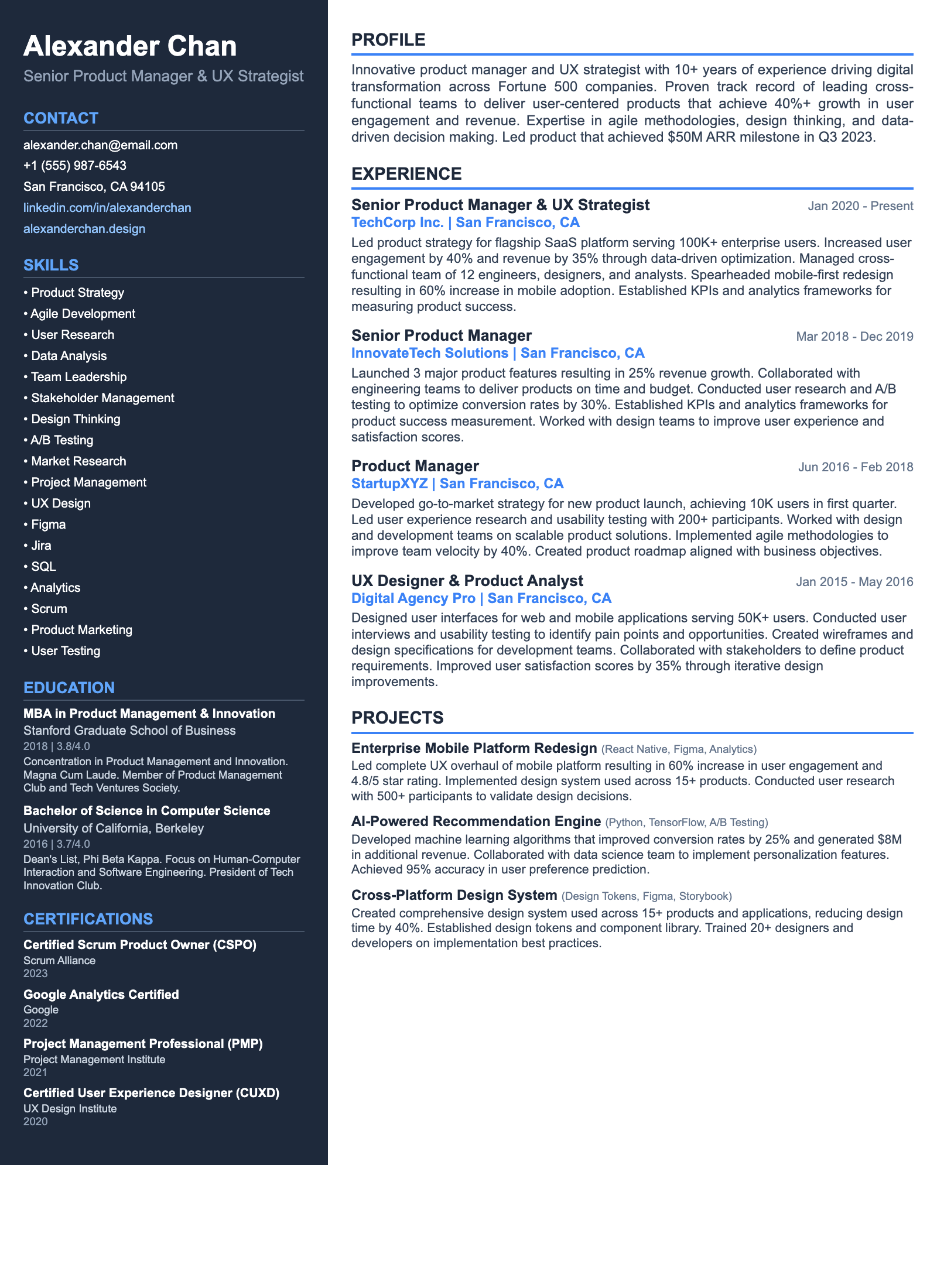
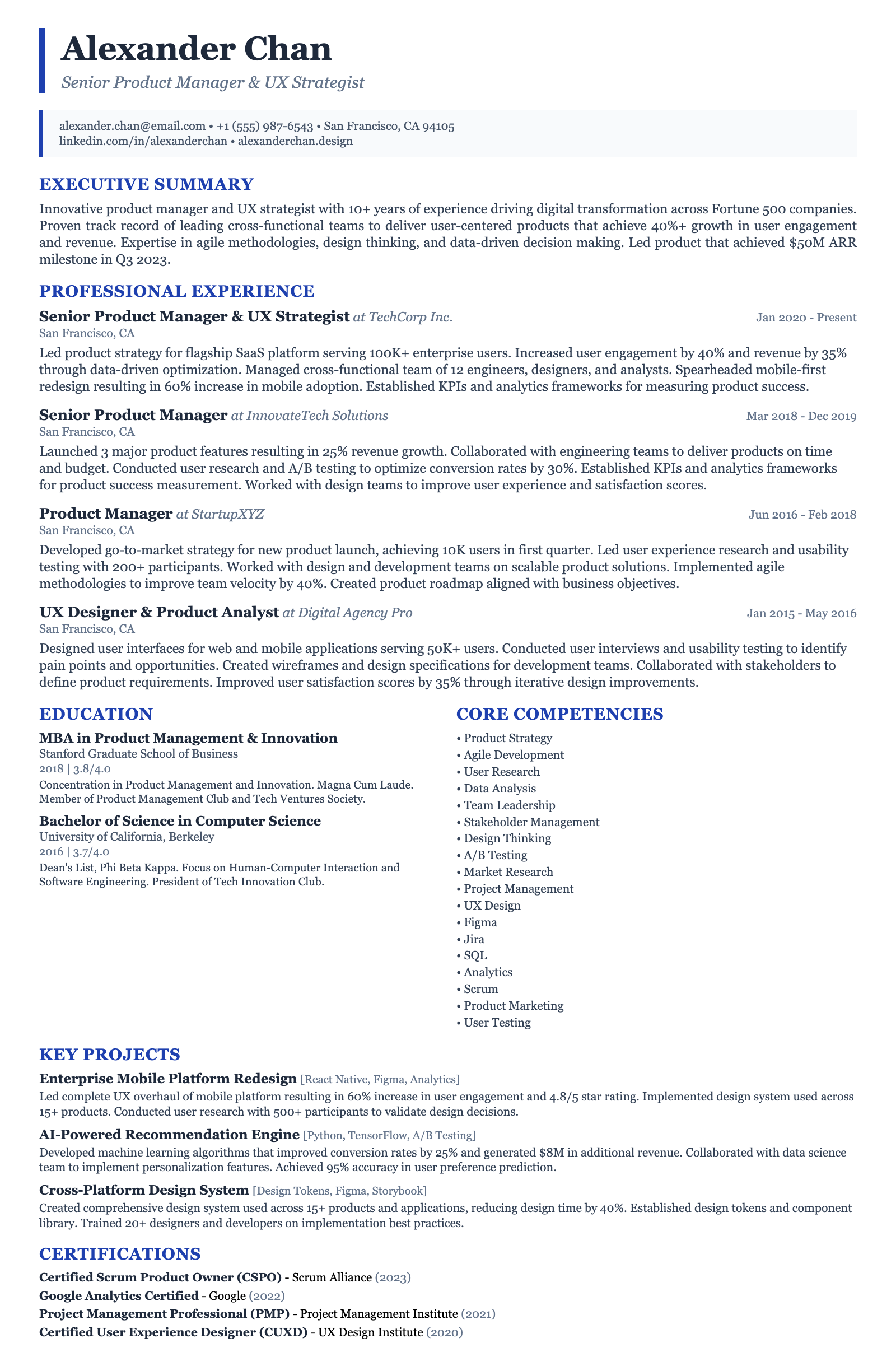
Recommended Resume Templates
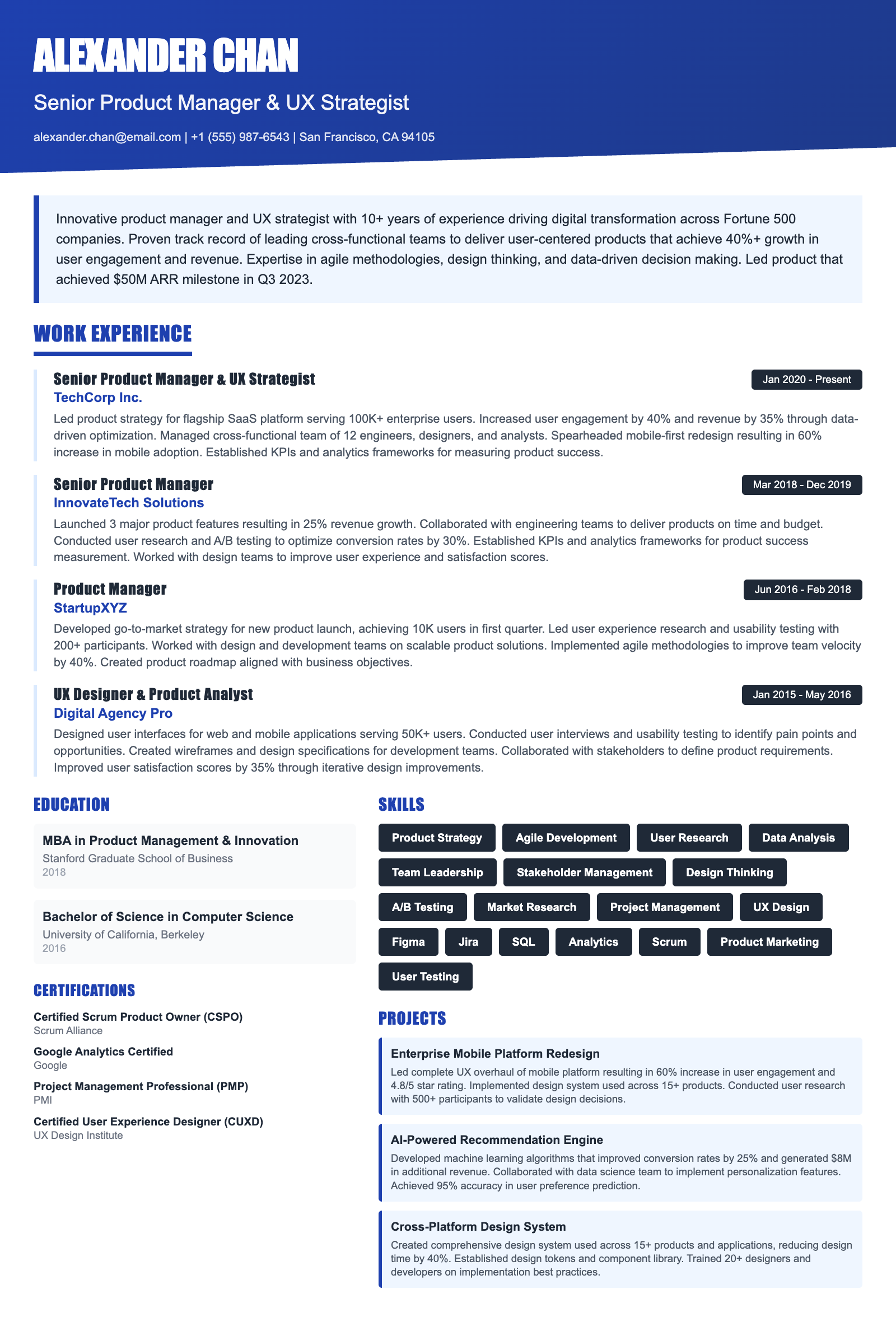
ATS-friendly templates designed specifically for Entry-Level Legal Data Scientist positions in the US market.
Frequently Asked Questions
What are the key skills required for an Entry-Level Legal Data Scientist?
Key skills include proficiency in Python and SQL, experience with data visualization tools, knowledge of machine learning algorithms, strong communication skills, and a passion for the legal industry.
What type of projects can I expect to work on as an Entry-Level Legal Data Scientist?
You can expect to work on projects such as predicting litigation outcomes, assessing risk, optimizing legal strategies, and improving legal processes through data analysis.
What is the career outlook for Legal Data Scientists?
The career outlook for Legal Data Scientists is excellent, with strong demand for skilled professionals in the legal industry. You can advance to roles such as Senior Legal Data Scientist, Data Science Manager, or Director of Legal Data Science.
Do I need a law degree to become a Legal Data Scientist?
A law degree is not required, but a strong understanding of legal concepts and terminology is beneficial. Many successful Legal Data Scientists have backgrounds in computer science, statistics, or related fields.
What is the typical salary for an Entry-Level Legal Data Scientist?
The typical salary for an Entry-Level Legal Data Scientist in the United States ranges from $60,000 to $90,000 per year, depending on location and experience.
What are the best companies to work for as a Legal Data Scientist?
Top companies for Legal Data Scientists include Lex Machina (LexisNexis), Thomson Reuters, KPMG, Deloitte, and PwC.
How can I prepare for an interview for an Entry-Level Legal Data Scientist role?
Prepare by practicing your technical skills, researching the company and the legal industry, and preparing answers to common interview questions. Be ready to discuss your experience with data analysis, machine learning, and communication.
What are some common mistakes to avoid on my resume?
Avoid generic resumes, failing to tailor your resume to the legal industry, omitting relevant projects or coursework, and using poor formatting.
Ready to Build Your Entry-Level Legal Data Scientist Resume?
Use our AI-powered resume builder to create an ATS-optimized resume tailored for Entry-Level Legal Data Scientist positions in the US market.