
Entry Level Hospitality Project Manager Jobs USA
Kickstart your project management career in the dynamic hospitality industry. This role is your gateway to overseeing exciting projects, ensuring seamless guest experiences, and contributing to the success of top-tier establishments.
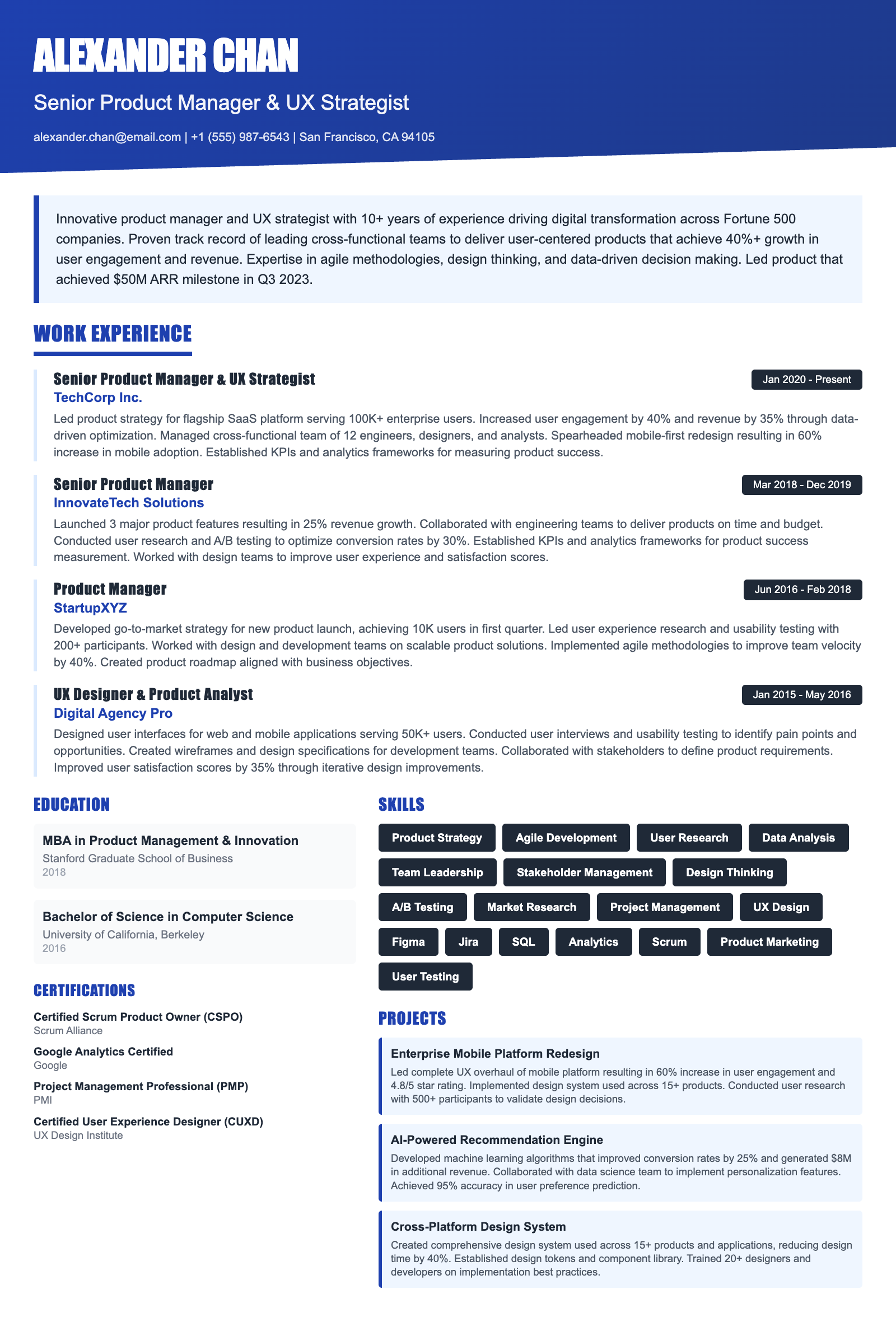
Essential Skills for Entry-Level Hospitality Project Manager
Include these keywords in your resume to pass ATS screening and impress recruiters.
Must-Have Skills
- Communication Skills
- Time Management
- Organizational Skills
- Problem-Solving
- Attention to Detail
Technical Skills
- Microsoft Project
- Microsoft Excel
- Asana/Trello
- Construction Management Software (e.g., Procore)
- Budgeting Software
Soft Skills
A Day in the Life
A typical day for an entry-level Hospitality Project Manager starts with reviewing project timelines and task statuses. You'll attend a project team meeting to discuss progress, address roadblocks, and coordinate next steps. A significant portion of the day is spent communicating with various stakeholders, including vendors, contractors, and internal departments, ensuring everyone is aligned and informed. You might be on-site, inspecting renovation progress at a hotel, or reviewing design plans for a new restaurant concept. Problem-solving is a constant – addressing unexpected delays, budget concerns, or quality control issues. You'll also dedicate time to updating project documentation, preparing progress reports, and managing project-related emails. The day concludes with prioritizing tasks for the following day and ensuring all critical issues are addressed before leaving.
Career Progression Path
Entry Level Project Manager
Project Coordinator
Assistant Project Manager
Project Manager
Senior Project Manager
Project Director
Interview Questions & Answers
Prepare for your Entry-Level Hospitality Project Manager interview with these commonly asked questions.
Tell me about a time you had to manage multiple tasks simultaneously. How did you prioritize and ensure everything was completed on time?
MediumCertainly. In my previous role as a [Previous Role, even if it's academic], I was responsible for [Task 1], [Task 2], and [Task 3] all at the same time. To manage this, I first created a prioritized task list using a time-management matrix, categorizing tasks by urgency and importance. I then allocated specific time blocks for each task, ensuring I focused on the most critical items first. I also delegated smaller tasks when possible and proactively communicated any potential delays to my supervisor. The result was that all tasks were completed on time and to the required standard, and I received positive feedback on my organizational skills.
Describe a situation where you had to work with a difficult team member. How did you handle the situation?
MediumDuring a group project in college, one team member consistently missed deadlines and didn't contribute equally to the work. I first attempted to address the issue privately with the team member, expressing my concerns and offering support. When that didn't improve the situation, I brought it to the attention of the professor, who facilitated a team meeting to discuss expectations and responsibilities. By creating a more structured plan and holding everyone accountable, we were able to successfully complete the project and achieve a good grade.
How familiar are you with project management methodologies such as Agile or Waterfall?
EasyI have a foundational understanding of both Agile and Waterfall methodologies. In my coursework, I learned about the iterative nature of Agile and its focus on flexibility and collaboration. I also studied the sequential approach of Waterfall, which is well-suited for projects with clearly defined requirements. While I have not yet had the opportunity to apply these methodologies in a professional setting, I am eager to learn more and contribute to projects using either approach.
What are your salary expectations for this role?
MediumBased on my research and understanding of the market for entry-level hospitality project managers in the USA, I'm looking for a salary in the range of $45,000 to $65,000 per year. However, I am open to discussing this further based on the specific responsibilities and benefits offered by the company.
Why are you interested in working in the hospitality industry?
EasyI've always been passionate about creating positive experiences for others, and I believe the hospitality industry offers a unique opportunity to do just that. I'm drawn to the fast-paced environment and the opportunity to work with a diverse team of people. I'm also impressed by [Company Name]'s commitment to [Company Value] and I believe my skills and enthusiasm would be a valuable asset to your team.
Describe a time you had to adapt to an unexpected change or challenge during a project.
MediumIn a past volunteer experience organizing a fundraising event, we unexpectedly lost our venue just two weeks before the event. We had to quickly find a new location that met our budget and logistical requirements. I took the initiative to research alternative venues, negotiate contracts, and coordinate the necessary changes with vendors. It was a stressful situation, but we were able to find a suitable replacement and successfully host the event, raising even more money than we had initially anticipated. This experience taught me the importance of adaptability and resourcefulness in project management.
What are your strengths and weaknesses as they relate to project management?
MediumOne of my key strengths is my organizational skills. I am highly detail-oriented and adept at creating and maintaining project plans. I am also a strong communicator and believe in keeping all stakeholders informed throughout the project lifecycle. One area where I am working to improve is my experience with advanced project management software. While I am proficient in Microsoft Project and Asana, I am eager to expand my knowledge of more specialized tools used in the hospitality industry.
ATS Optimization Tips
Make sure your resume passes Applicant Tracking Systems used by US employers.
Use standard section headings: 'Professional Experience' not 'Where I've Worked'
Include exact job title from the posting naturally in your resume
Add a Skills section with Hospitality-relevant keywords from the job description
Save as .docx or .pdf (check the application instructions)
Avoid tables, text boxes, headers/footers, and images - these confuse ATS parsers
Common Resume Mistakes to Avoid
Don't make these errors that get resumes rejected.
Failing to quantify achievements on your resume.
Not tailoring your resume to the specific requirements of the hospitality industry.
Omitting relevant coursework or certifications.
Poor formatting and lack of attention to detail.
Lack of action verbs to describe responsibilities.
Industry Outlook
The US market for Entry-Level Hospitality Project Manager professionals remains highly competitive. Recruiters and ATS systems prioritize action verbs, quantifiable outcomes (e.g., "Reduced latency by 40%", "Led a team of 8"), and clear alignment with job descriptions. Candidates who demonstrate measurable impact and US-relevant certifications—coupled with a one-page, no-photo resume—see significantly higher callback rates in major hubs like California, Texas, and New York.
Top Hiring Companies
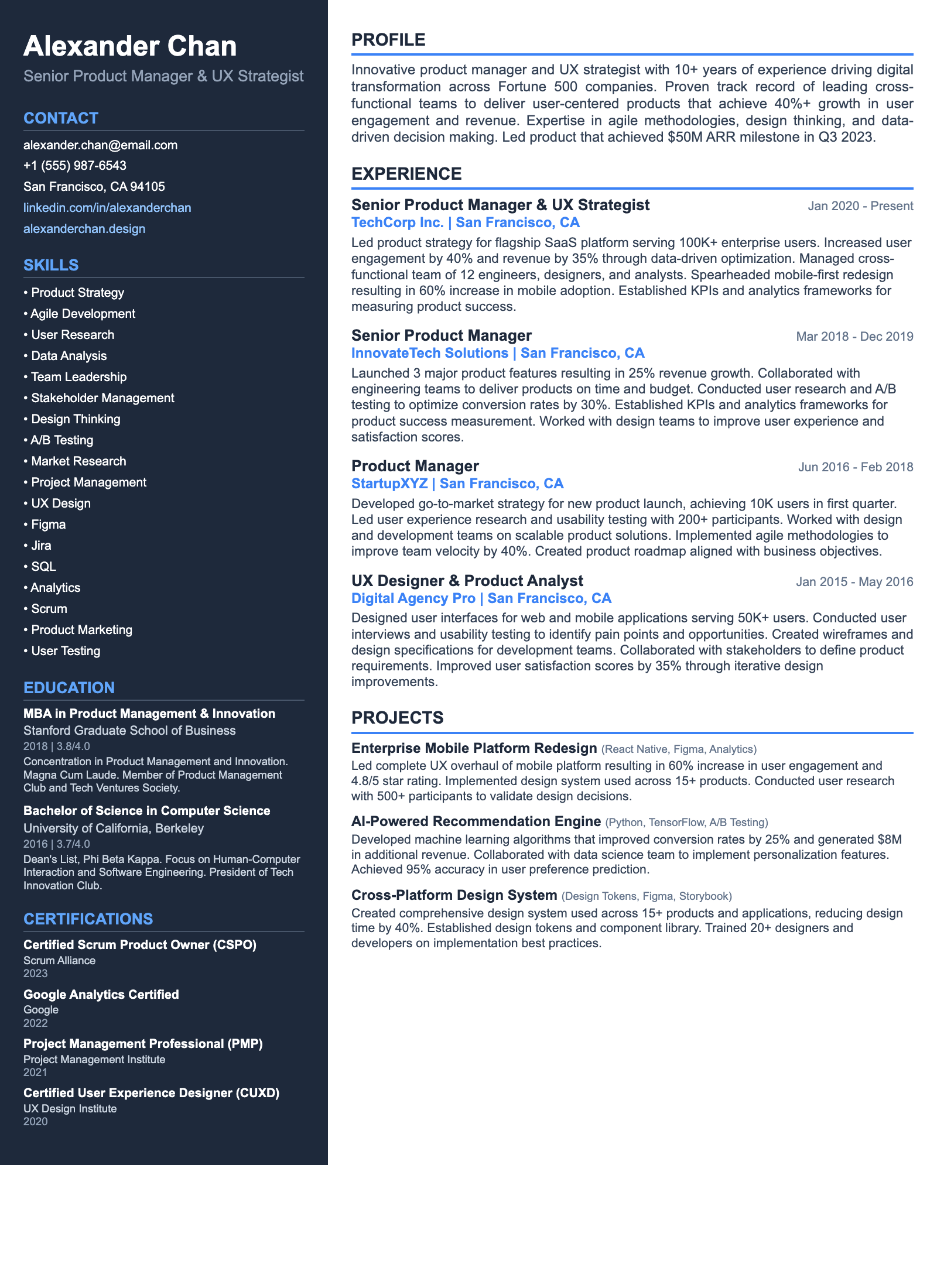
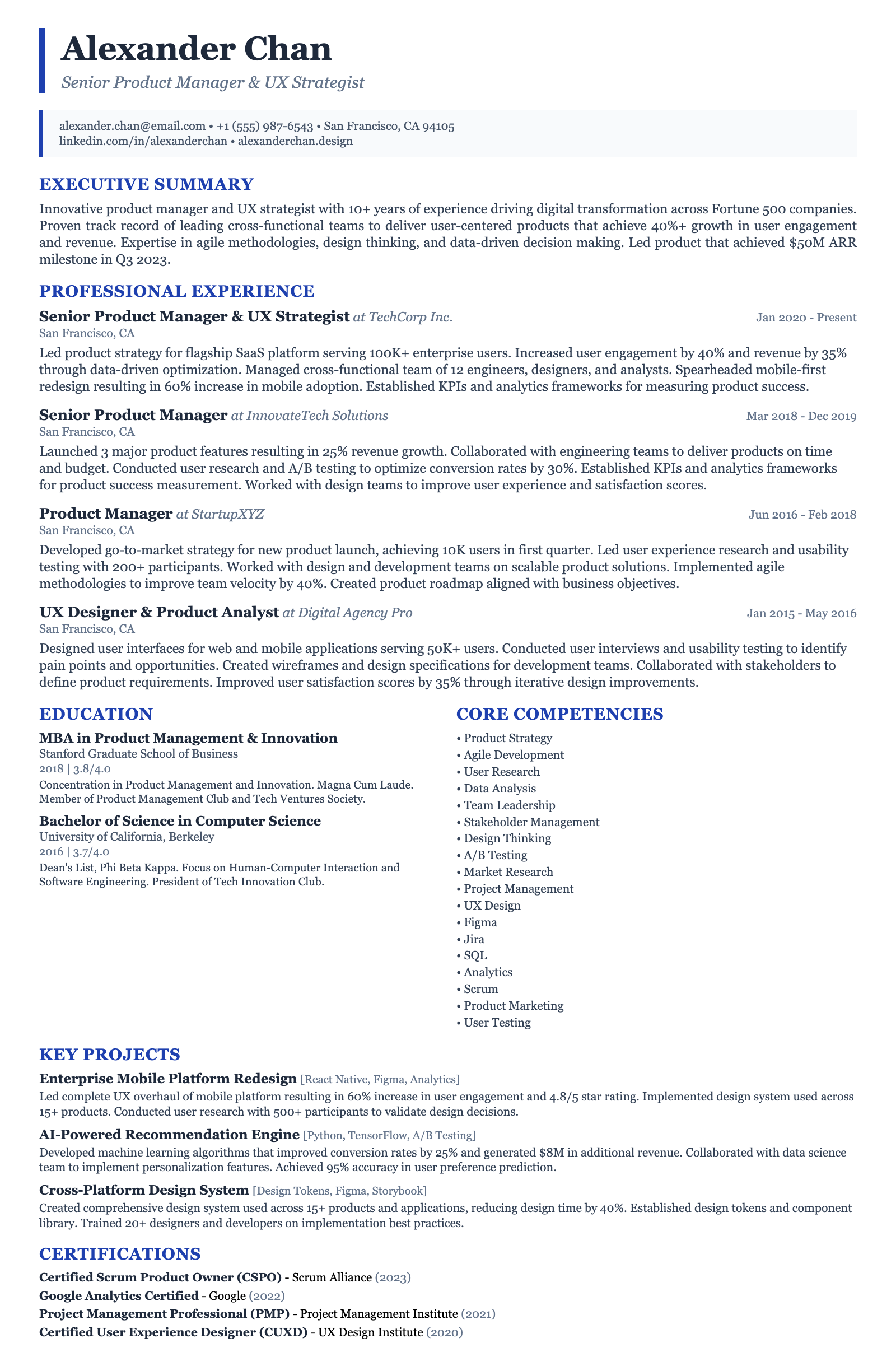
Recommended Resume Templates
ATS-friendly templates designed specifically for Entry-Level Hospitality Project Manager positions in the US market.
Frequently Asked Questions
What qualifications do I need to become an entry-level Hospitality Project Manager?
Typically, a bachelor's degree in hospitality management, business administration, or a related field is required. Project management certifications (e.g., CAPM) can also be beneficial. Strong organizational, communication, and problem-solving skills are essential.
What are the typical career progression steps for a Hospitality Project Manager?
The career path often starts with entry-level roles like Project Coordinator or Assistant Project Manager, progressing to Project Manager, Senior Project Manager, and ultimately, Project Director or VP of Operations.
What skills are most important for success in this role?
Critical skills include communication, time management, organization, problem-solving, attention to detail, and proficiency in project management software.
What are the biggest challenges faced by Hospitality Project Managers?
Common challenges include managing tight budgets, meeting deadlines, coordinating with multiple stakeholders, and adapting to unexpected changes or disruptions.
What is the job outlook for Hospitality Project Managers?
The job outlook is generally positive, with continued growth expected in the hospitality industry, leading to increased demand for skilled project managers.
What type of companies hire Hospitality Project Managers?
Hotels, resorts, restaurants, event planning companies, and hospitality consulting firms are common employers.
How can I gain experience in hospitality project management?
Internships, volunteer work, and entry-level positions in related fields (e.g., event planning, hotel operations) can provide valuable experience. Consider pursuing project management certifications to enhance your credentials.
What is the difference between a Project Coordinator and a Project Manager?
A Project Coordinator typically provides administrative support to the Project Manager, assisting with tasks such as scheduling meetings, tracking progress, and managing documentation. A Project Manager is responsible for the overall planning, execution, and completion of the project.
Ready to Build Your Entry-Level Hospitality Project Manager Resume?
Use our AI-powered resume builder to create an ATS-optimized resume tailored for Entry-Level Hospitality Project Manager positions in the US market.