Hospitality Graphic Designer: Entry-Level Dream Job!
In the US job market, recruiters spend seconds scanning a resume. They look for impact (metrics), clear tech or domain skills, and education. This guide helps you build an ATS-friendly Entry-Level Hospitality Graphic Designer resume that passes filters used by top US companies. Use US Letter size, one page for under 10 years experience, and no photo.
Essential Skills for Entry-Level Hospitality Graphic Designer
Include these keywords in your resume to pass ATS screening and impress recruiters.
Must-Have Skills
- Communication
- Time Management
- Teamwork
- Adaptability
- Attention to Detail
Technical Skills
- Adobe Creative Suite (Photoshop, Illustrator, InDesign)
- Graphic Design Principles
- Web Design Fundamentals
- Typography
- Color Theory
Soft Skills
A Day in the Life
The day begins with checking emails and project updates. First, there's a quick meeting with the marketing manager to discuss the latest campaign for the hotel's summer promotion. You're tasked with designing social media posts, website banners, and email templates. You start by researching current design trends and gathering inspiration from competitor hotels. After a quick lunch, you dive into Adobe Photoshop, crafting eye-catching visuals that showcase the hotel's amenities and special offers. Throughout the afternoon, you collaborate with the copywriter to ensure the visuals and text complement each other. You also spend time refining the designs based on feedback from the senior designer. Before heading home, you organize your files, update project timelines, and prepare for tomorrow's tasks, feeling satisfied with the progress made in enhancing the hotel's online presence.
Career Progression Path
Entry-Level Graphic Designer
Junior Graphic Designer
Graphic Designer
Senior Graphic Designer
Art Director
Interview Questions & Answers
Prepare for your Entry-Level Hospitality Graphic Designer interview with these commonly asked questions.
Describe a time you had to adapt your design style to fit a client's brand.
MediumDuring my internship, I was tasked with creating a brochure for a luxury resort. My personal design style leans towards minimalism, but the resort's brand was more opulent and traditional. I researched their existing marketing materials, studied their target audience, and adjusted my design approach to incorporate richer colors, more elaborate typography, and high-quality imagery that aligned with the resort's brand identity. The client was very pleased with the final result. This demonstrates my adaptability and commitment to meeting client needs.
How do you stay up-to-date with the latest design trends in the hospitality industry?
EasyI regularly follow leading design blogs and publications, such as Communication Arts and AIGA. I also subscribe to newsletters from hospitality industry experts and attend online webinars and conferences to learn about new trends and technologies. Additionally, I actively research the design aesthetics of successful hotels and resorts to understand what resonates with their target audiences.
What is your process for receiving and implementing design feedback?
MediumWhen receiving feedback, I first listen actively and take detailed notes. I ask clarifying questions to ensure I fully understand the feedback and the rationale behind it. Then, I prioritize the feedback based on its impact on the overall design and the client's objectives. I make revisions thoughtfully and present updated designs with clear explanations of the changes I've made. I am always open to further discussion and collaboration to achieve the best possible outcome.
Can you tell me about a time you had to manage multiple design projects with tight deadlines?
MediumAt my previous internship, I was responsible for designing marketing materials for three different events happening simultaneously. To manage my time effectively, I created a detailed project timeline with specific deadlines for each task. I prioritized tasks based on their urgency and importance, and I communicated regularly with my supervisor to ensure that I was on track. I also utilized project management tools to stay organized and track my progress. As a result, I was able to successfully deliver all the projects on time and within budget.
Describe a time when you had to work with a difficult team member on a design project.
HardDuring a group project in college, one of my team members was consistently late with their contributions and resistant to feedback. I addressed the issue by scheduling a private conversation with them to understand their perspective. I listened empathetically and offered support to help them overcome their challenges. I also worked to establish clear roles and responsibilities for each team member, and I facilitated open communication to ensure that everyone was on the same page. By fostering a collaborative and supportive environment, we were able to successfully complete the project.
What are your salary expectations for this role?
MediumBased on my research of entry-level graphic designer positions in the hospitality industry in the US, and considering my skills and experience, I'm looking for a salary in the range of $38,000 to $45,000 per year. However, I am open to discussing this further based on the specific responsibilities and benefits offered by this position.
Why are you interested in working in the hospitality industry?
EasyI've always been passionate about travel and creating memorable experiences for others. I believe that design plays a crucial role in shaping the guest experience in the hospitality industry. From designing visually appealing menus to creating engaging marketing materials, I'm excited about the opportunity to contribute my skills to enhance the overall guest experience and help hotels and resorts attract and retain customers.
ATS Optimization Tips
Make sure your resume passes Applicant Tracking Systems used by US employers.
Use standard section headings: 'Professional Experience' not 'Where I've Worked'
Include exact job title from the posting naturally in your resume
Add a Skills section with Hospitality-relevant keywords from the job description
Save as .docx or .pdf (check the application instructions)
Avoid tables, text boxes, headers/footers, and images - these confuse ATS parsers
Common Resume Mistakes to Avoid
Don't make these errors that get resumes rejected.
Generic resume with no hospitality focus
Poor portfolio showcasing irrelevant work
Lack of understanding of brand guidelines
Ignoring design trends in the hospitality sector
Poor communication skills during the interview
Industry Outlook
The US market for Entry-Level Hospitality Graphic Designer professionals remains highly competitive. Recruiters and ATS systems prioritize action verbs, quantifiable outcomes (e.g., "Reduced latency by 40%", "Led a team of 8"), and clear alignment with job descriptions. Candidates who demonstrate measurable impact and US-relevant certifications—coupled with a one-page, no-photo resume—see significantly higher callback rates in major hubs like California, Texas, and New York.
Top Hiring Companies
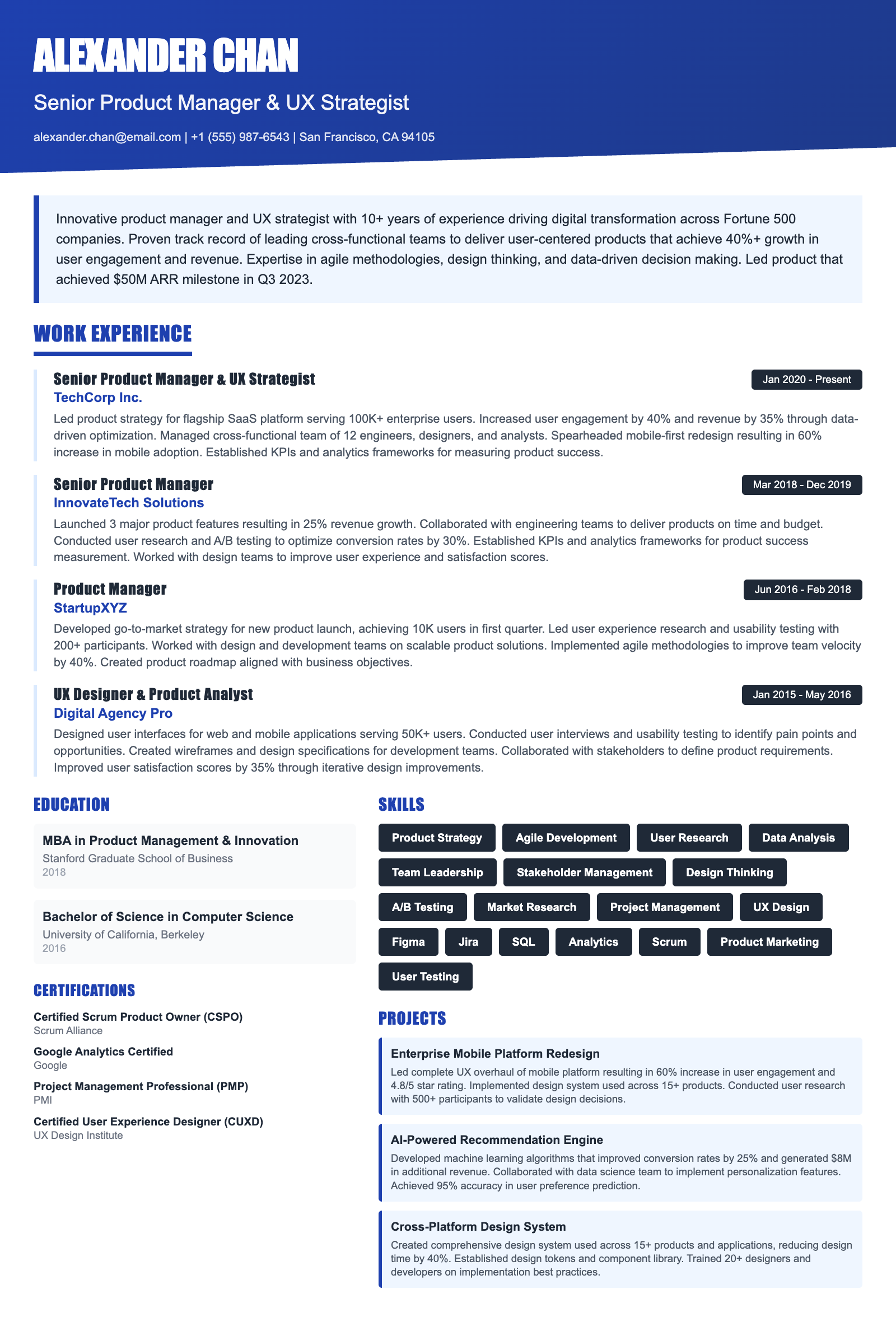
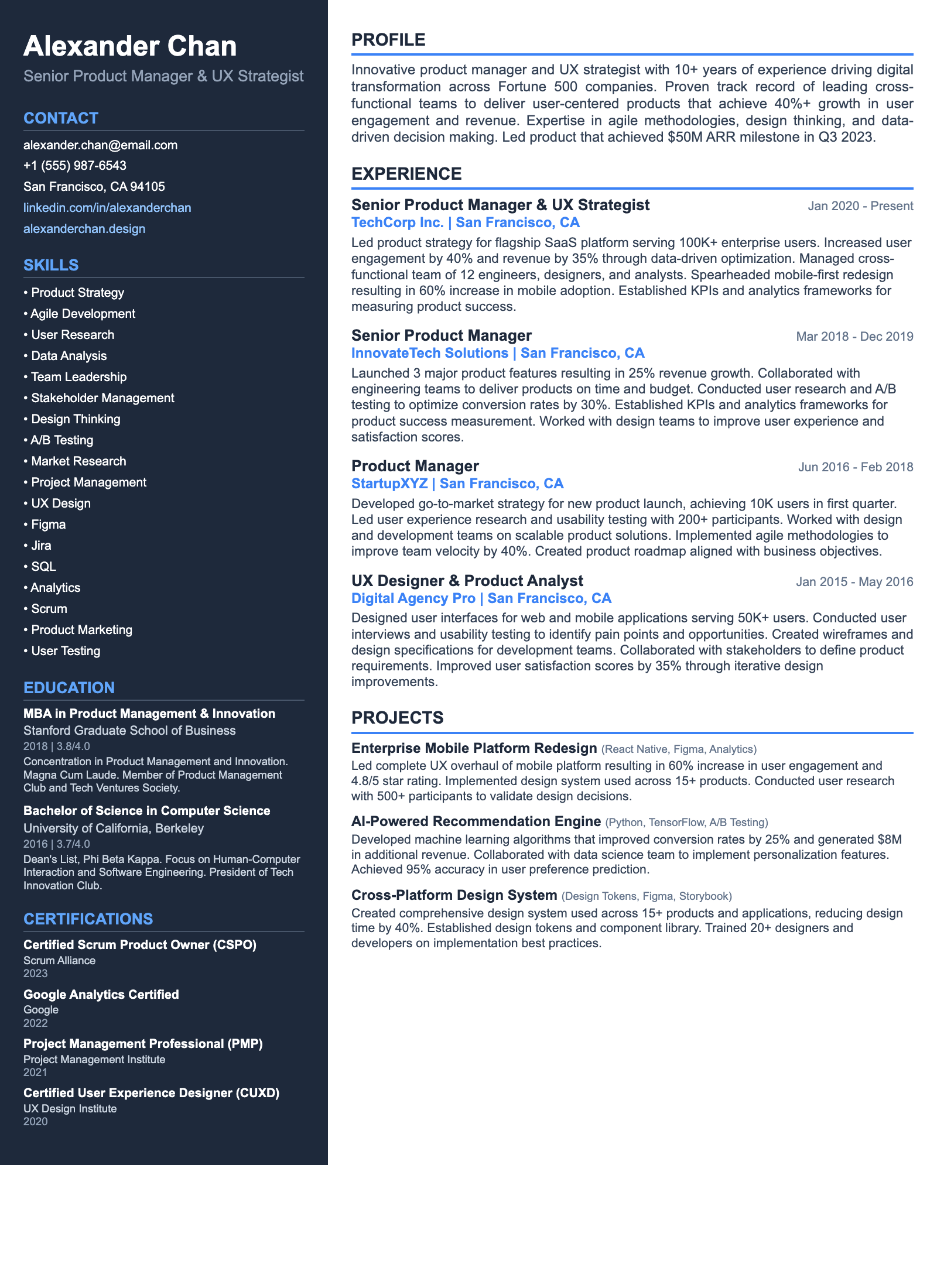
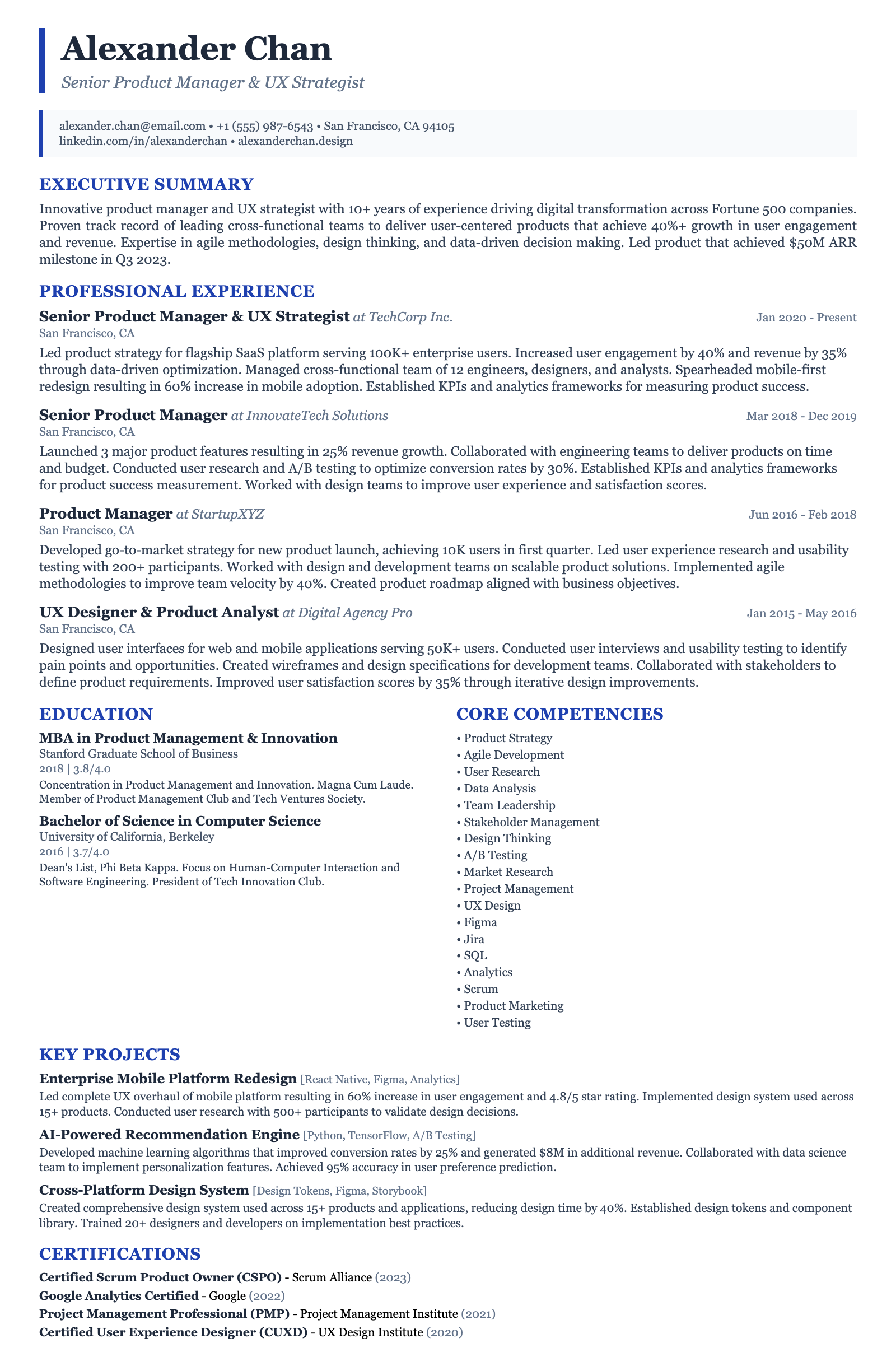
Recommended Resume Templates
ATS-friendly templates designed specifically for Entry-Level Hospitality Graphic Designer positions in the US market.
Frequently Asked Questions
What software should I be proficient in?
Proficiency in Adobe Creative Suite (Photoshop, Illustrator, InDesign) is crucial. Familiarity with web design tools like Figma or Sketch is also beneficial.
What should I include in my portfolio?
Showcase projects relevant to the hospitality industry, such as menu designs, hotel brochures, website mockups, and social media graphics. Highlight your design process and explain the objectives of each project.
How important is a degree in graphic design?
While a degree is preferred, a strong portfolio demonstrating relevant skills and experience can compensate. Consider showcasing personal projects or freelance work.
What are the key qualities employers look for?
Employers seek candidates with strong communication skills, creativity, attention to detail, and the ability to work collaboratively. A passion for the hospitality industry is also highly valued.
How can I gain experience if I'm just starting out?
Consider internships, freelance projects, or volunteering your design skills for local hospitality businesses. These experiences will help you build your portfolio and gain practical experience.
What's the best way to network in the hospitality industry?
Attend industry events, join online communities, and connect with hospitality professionals on LinkedIn. Reach out to designers working in the industry for informational interviews.
Is remote work common in this role?
While some companies offer remote or hybrid options, many entry-level positions require on-site presence, especially for collaboration and mentorship purposes.
What are some good resources for learning more about hospitality design?
Explore websites like Hospitality Design Magazine, Boutique Design, and Hotel Management. Also, follow influential designers and design firms specializing in hospitality on social media.
Ready to Build Your Entry-Level Hospitality Graphic Designer Resume?
Use our AI-powered resume builder to create an ATS-optimized resume tailored for Entry-Level Hospitality Graphic Designer positions in the US market.