Entry-Level Hospitality Data Scientist: Launch Your Career!
In the US job market, recruiters spend seconds scanning a resume. They look for impact (metrics), clear tech or domain skills, and education. This guide helps you build an ATS-friendly Entry-Level Hospitality Data Scientist resume that passes filters used by top US companies. Use US Letter size, one page for under 10 years experience, and no photo.
Essential Skills for Entry-Level Hospitality Data Scientist
Include these keywords in your resume to pass ATS screening and impress recruiters.
Must-Have Skills
- Communication
- Time Management
- Teamwork
- Adaptability
- Problem-Solving
Technical Skills
- Python (Pandas, NumPy, Scikit-learn)
- SQL
- Data Visualization (Tableau, Power BI)
- Statistical Modeling
- Cloud Computing (AWS, Azure, GCP - basic awareness)
Soft Skills
A Day in the Life
Imagine starting your day by reviewing overnight booking data, identifying occupancy trends, and flagging any anomalies that require immediate attention. You then dive into analyzing customer review data, using natural language processing (NLP) techniques to extract key themes and sentiment. This information is crucial for understanding guest pain points and identifying areas for improvement. Next, you collaborate with the marketing team to develop a personalized email campaign based on customer segmentation analysis, aiming to increase booking conversion rates. After lunch, you build a predictive model to forecast future demand, helping the revenue management team optimize pricing strategies. The afternoon concludes with a presentation to senior management, showcasing your findings on the impact of a recent hotel renovation on guest satisfaction and revenue. Throughout the day, you're constantly communicating with different teams, ensuring that data insights are effectively utilized to drive business decisions. The pace is fast, the challenges are diverse, and the impact of your work is immediately visible.
Career Progression Path
Entry-Level Data Scientist
Data Scientist
Senior Data Scientist
Data Science Manager
Director of Data Science
Interview Questions & Answers
Prepare for your Entry-Level Hospitality Data Scientist interview with these commonly asked questions.
Tell me about a time you had to work with a large dataset. What challenges did you face, and how did you overcome them?
MediumSTAR Method: Situation: I was tasked with analyzing a dataset of customer reviews for a hotel chain, containing over 1 million records. Task: My goal was to identify key themes and sentiment driving customer satisfaction and dissatisfaction. Action: I used Python and Pandas to clean and preprocess the data, removing duplicates and handling missing values. I then used NLP techniques, specifically sentiment analysis, to categorize the reviews as positive, negative, or neutral. I encountered performance issues due to the size of the dataset, so I optimized my code using vectorized operations and chunking. Result: I successfully identified the top 5 positive and negative themes mentioned in the reviews, providing actionable insights for the hotel chain to improve their services. The insights were presented in a clear and concise report using Tableau.
Describe your experience with SQL. Can you give an example of a complex query you've written?
MediumI have experience with SQL for data extraction, manipulation, and analysis. For example, I once had to create a query to calculate the average daily revenue per available room (RevPAR) for a hotel, broken down by room type and month. The query involved joining multiple tables (bookings, rooms, and revenue) and using aggregate functions like AVG and SUM, along with GROUP BY clauses to achieve the desired result. I paid close attention to indexing and query optimization to ensure efficient execution.
How would you approach a problem where you need to predict customer churn in a hotel loyalty program?
MediumI would approach this problem by first defining churn – what constitutes a customer leaving the program. Then, I'd gather relevant data, including demographics, booking history, spending patterns, and engagement with loyalty program benefits. I'd perform exploratory data analysis to identify potential predictors of churn. Next, I would build a classification model using machine learning algorithms like logistic regression or random forests. I'd evaluate the model's performance using metrics like precision, recall, and F1-score, and fine-tune the model to optimize its predictive accuracy. Finally, I'd communicate the results to stakeholders and implement strategies to proactively address customer churn.
Explain a time you had to present data insights to a non-technical audience.
EasySTAR Method: Situation: I was working on a project to analyze the impact of a new pricing strategy on hotel occupancy rates. Task: I needed to present my findings to the hotel's marketing team, who had limited data science knowledge. Action: I avoided using technical jargon and focused on clearly communicating the key findings and their implications for the marketing strategy. I used data visualizations, such as charts and graphs, to illustrate the trends and patterns in the data. I also provided concrete examples of how the new pricing strategy was affecting occupancy rates in different room categories. Result: The marketing team understood the insights and used them to refine their marketing campaigns, resulting in a noticeable increase in occupancy rates during off-peak seasons.
What are some common data biases, and how can you mitigate them?
MediumCommon data biases include selection bias, confirmation bias, and sampling bias. Selection bias occurs when the data used for analysis is not representative of the population. Confirmation bias is the tendency to interpret information in a way that confirms pre-existing beliefs. Sampling bias arises when the sample used for analysis is not randomly selected. To mitigate these biases, I would carefully examine the data collection process, use appropriate sampling techniques, and be aware of my own biases when interpreting the results. I would also use techniques like data augmentation and re-weighting to address imbalances in the data.
Describe your experience with A/B testing. How would you set up and analyze an A/B test for a hotel website?
MediumI understand the principles of A/B testing and have some experience with it. To set up an A/B test for a hotel website, I would first define a clear hypothesis, such as 'changing the color of the booking button will increase conversion rates.' Then, I would randomly divide website visitors into two groups: a control group that sees the original version of the website (A) and a treatment group that sees the modified version with the different button color (B). I would track the conversion rates for both groups over a statistically significant period. To analyze the results, I would use statistical tests, such as a t-test or chi-squared test, to determine if the difference in conversion rates between the two groups is statistically significant. If the results are significant, I would conclude that the change had a positive or negative impact on conversion rates.
What are your favorite tools for data visualization and why?
EasyMy favorite tools for data visualization are Tableau and Power BI. I prefer them because they offer a wide range of chart types and customization options, allowing me to create visually appealing and informative dashboards. They also have excellent integration with various data sources and provide interactive features that enable users to explore the data in more detail. Additionally, they are relatively easy to learn and use, making them accessible to both technical and non-technical users.
ATS Optimization Tips
Make sure your resume passes Applicant Tracking Systems used by US employers.
Use standard section headings: 'Professional Experience' not 'Where I've Worked'
Include exact job title from the posting naturally in your resume
Add a Skills section with Hospitality-relevant keywords from the job description
Save as .docx or .pdf (check the application instructions)
Avoid tables, text boxes, headers/footers, and images - these confuse ATS parsers
Common Resume Mistakes to Avoid
Don't make these errors that get resumes rejected.
Failing to quantify achievements with data.
Listing skills without providing specific examples of their application.
Submitting a generic resume without tailoring it to the specific job description.
Neglecting to showcase projects or internships that demonstrate relevant experience.
Ignoring the importance of soft skills like communication and teamwork.
Industry Outlook
The US market for Entry-Level Hospitality Data Scientist professionals remains highly competitive. Recruiters and ATS systems prioritize action verbs, quantifiable outcomes (e.g., "Reduced latency by 40%", "Led a team of 8"), and clear alignment with job descriptions. Candidates who demonstrate measurable impact and US-relevant certifications—coupled with a one-page, no-photo resume—see significantly higher callback rates in major hubs like California, Texas, and New York.
Top Hiring Companies
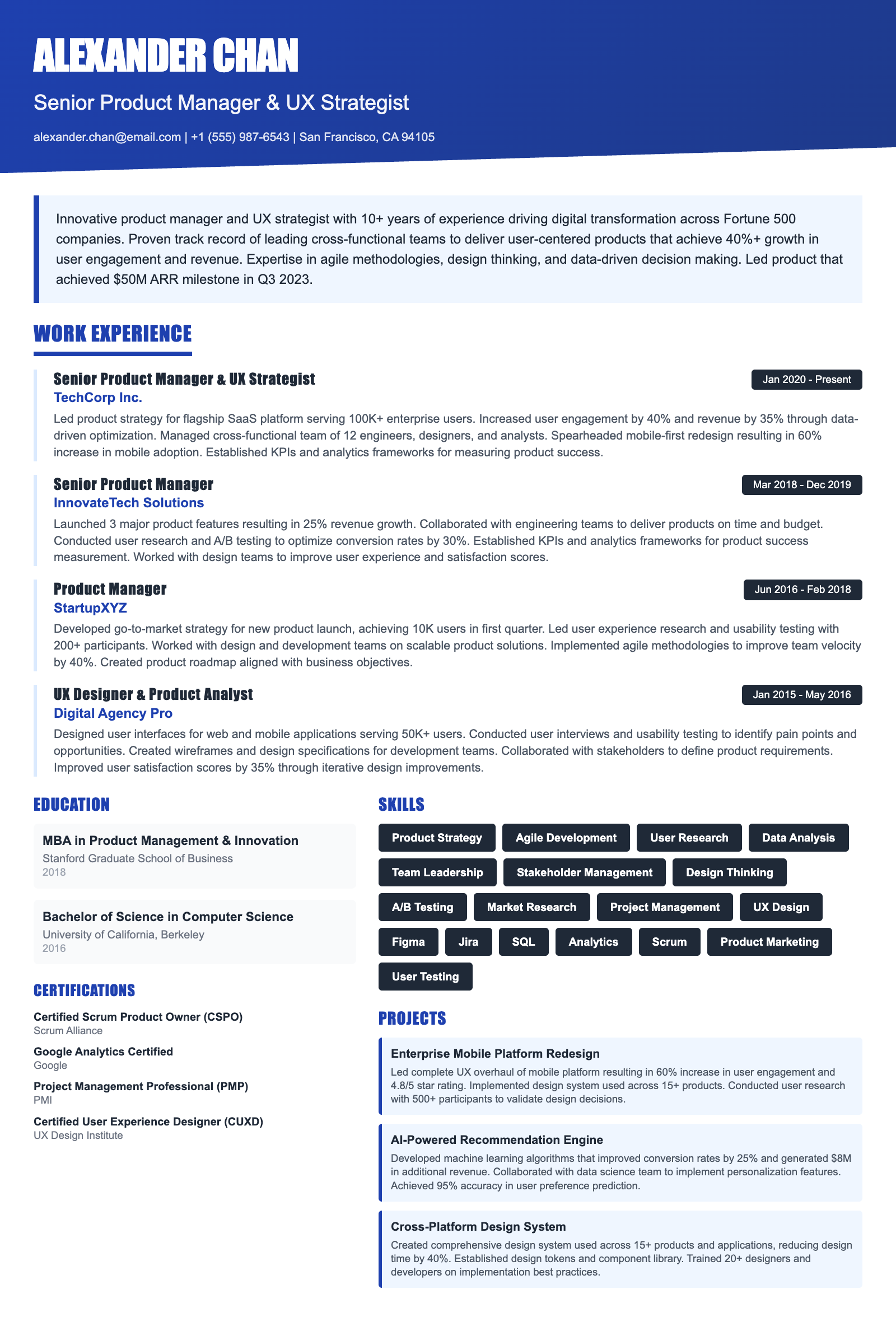
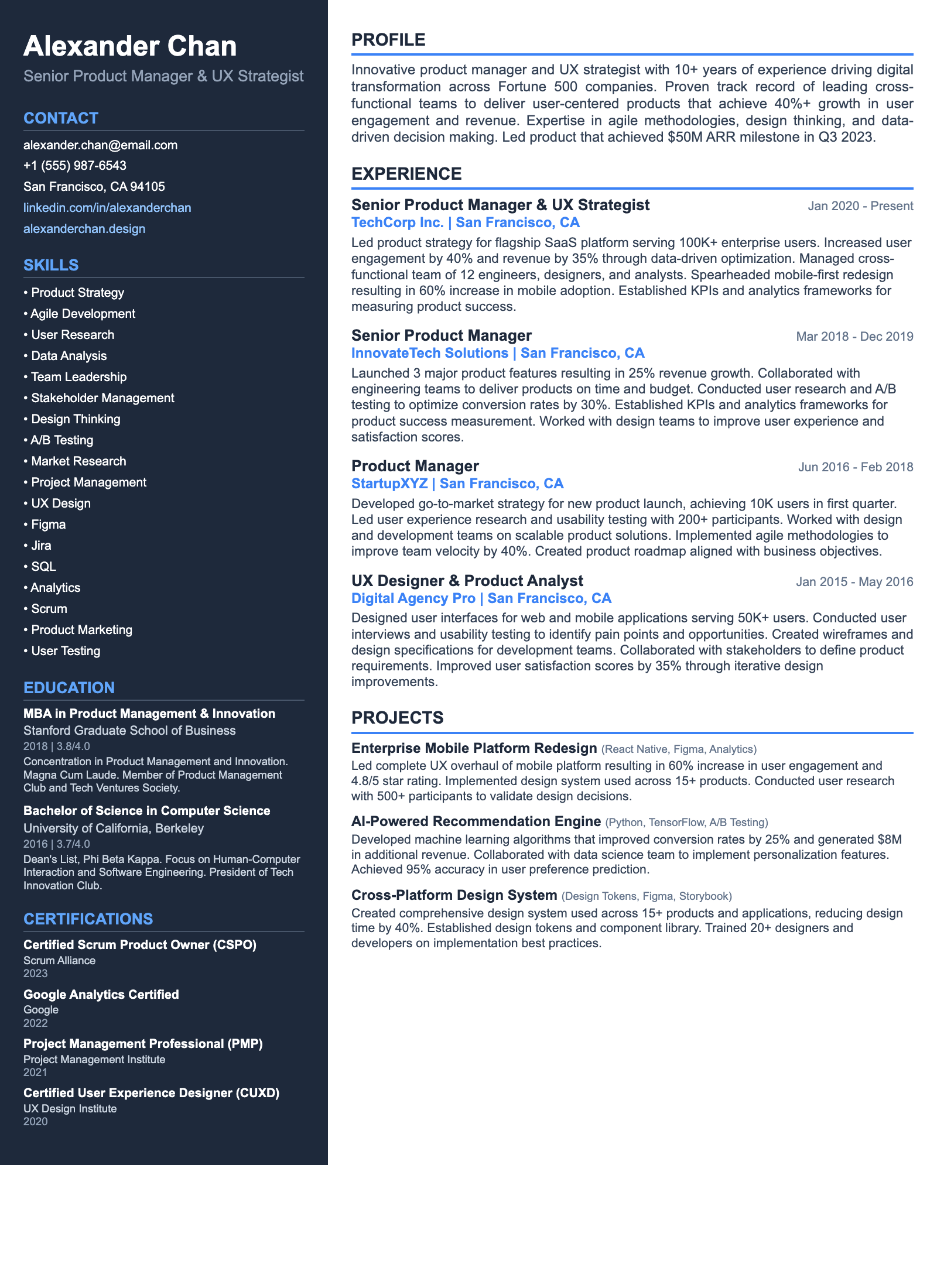
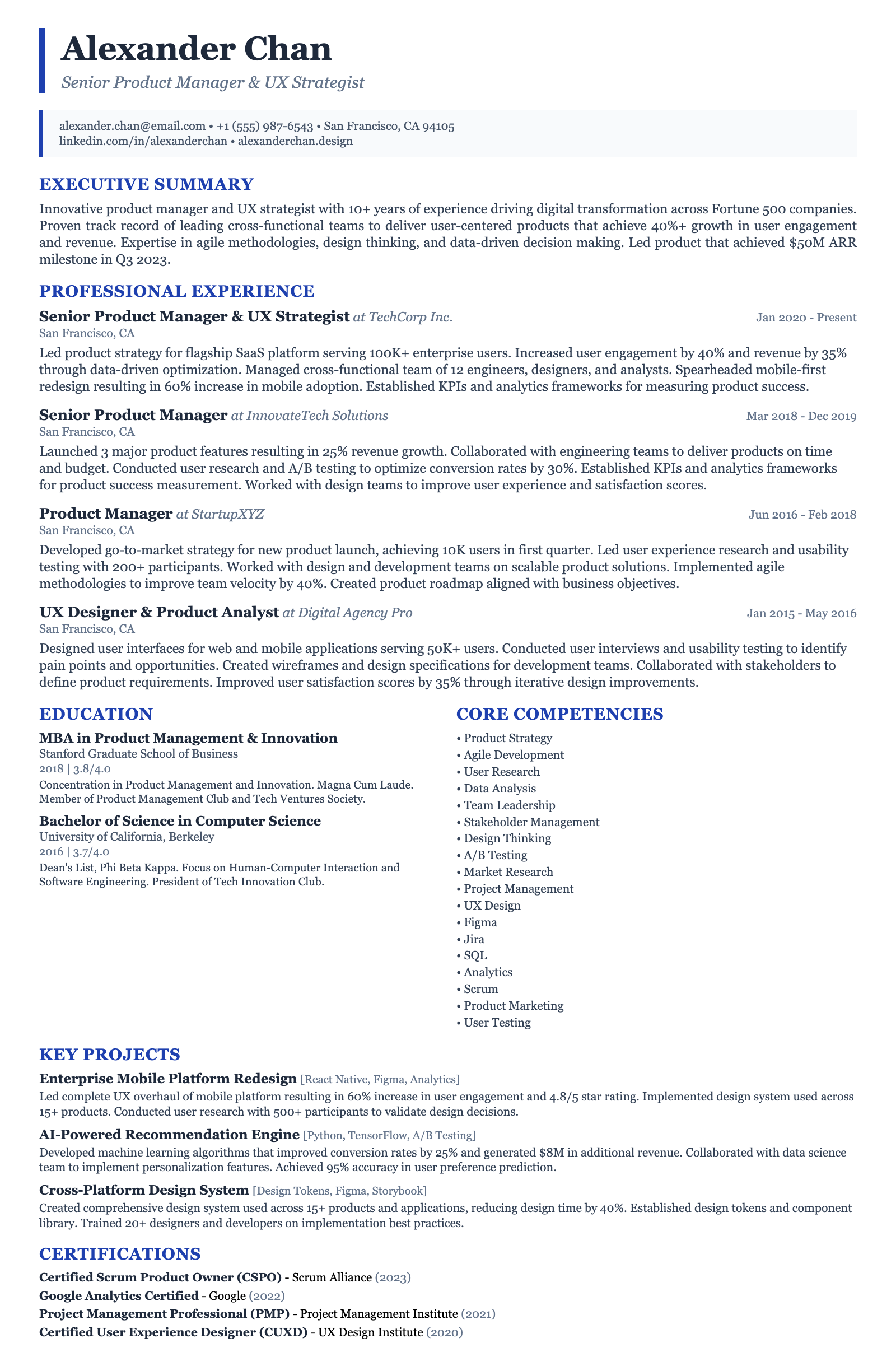
Recommended Resume Templates
ATS-friendly templates designed specifically for Entry-Level Hospitality Data Scientist positions in the US market.
Frequently Asked Questions
What skills are most important for an entry-level data scientist in hospitality?
Strong analytical skills, proficiency in Python and SQL, excellent communication skills, and a passion for the hospitality industry are crucial. Being able to translate data insights into actionable recommendations is also highly valued.
What kind of projects can I showcase on my resume to demonstrate my skills?
Projects related to customer segmentation, churn prediction, demand forecasting, pricing optimization, or sentiment analysis of customer reviews are all relevant and impressive.
What are the typical career paths for a data scientist in hospitality?
You can progress from an entry-level role to a Data Scientist, Senior Data Scientist, Data Science Manager, and eventually Director of Data Science.
What are the key performance indicators (KPIs) that hospitality data scientists focus on?
Common KPIs include occupancy rate, revenue per available room (RevPAR), customer satisfaction scores, guest loyalty, and marketing campaign effectiveness.
How is data science used to improve guest experience in hospitality?
Data science is used to personalize recommendations, optimize pricing, improve service quality, and proactively address guest concerns, ultimately enhancing their overall experience.
What is the role of data ethics in the hospitality industry?
Data ethics is crucial to ensure guest privacy, data security, and responsible use of data to avoid discriminatory practices. Transparency and consent are key principles.
What types of data are commonly analyzed in hospitality?
Common data types include booking data, customer reviews, website traffic, social media activity, and operational data from various systems within the hotel or restaurant.
What is the impact of AI on the hospitality industry?
AI is revolutionizing the hospitality industry by enabling personalized experiences, automating tasks, optimizing operations, and providing valuable insights to improve decision-making.
Ready to Build Your Entry-Level Hospitality Data Scientist Resume?
Use our AI-powered resume builder to create an ATS-optimized resume tailored for Entry-Level Hospitality Data Scientist positions in the US market.