Launch Your Career: Entry-Level Finance Nurse!
Embark on a rewarding career as an Entry-Level Finance Nurse, bridging healthcare and financial management. Contribute to efficient resource allocation and patient care within a dynamic healthcare setting. Craft a resume that showcases your unique blend of financial acumen and nursing compassion.
Essential Skills for Entry-Level Finance Nurse
Include these keywords in your resume to pass ATS screening and impress recruiters.
Must-Have Skills
- Communication Skills
- Time Management
- Analytical Skills
- Attention to Detail
- Problem-Solving
Technical Skills
- Excel
- Financial Modeling
- Healthcare Billing Software (e.g., Epic, Cerner)
- Data Visualization Tools (e.g., Tableau, Power BI)
- Statistical Analysis Software (e.g., SPSS, R)
Soft Skills
A Day in the Life
A typical day for an Entry-Level Finance Nurse begins with reviewing patient billing data to identify any discrepancies or areas for improvement. I start by analyzing the previous day's reports, looking for trends in resource utilization and potential cost-saving opportunities. Next, I might attend a meeting with the nursing leadership team to discuss budget performance and identify strategies for optimizing resource allocation. A significant portion of my day is spent collaborating with clinical staff to understand their needs and identify ways to improve efficiency without compromising patient care. I also work closely with the finance department to ensure accurate financial reporting and compliance with all relevant regulations. Throughout the day, I respond to inquiries from nurses and other healthcare professionals regarding financial matters and provide training on best practices for financial management. The day often concludes with preparing reports for upcoming meetings and planning for future initiatives aimed at enhancing the financial health of the organization.
Career Progression Path
Entry-Level Finance Nurse
Finance Nurse
Senior Finance Nurse
Finance Manager
Director of Finance
Interview Questions & Answers
Prepare for your Entry-Level Finance Nurse interview with these commonly asked questions.
Tell me about a time you identified a cost-saving opportunity in a healthcare setting.
MediumCertainly. During my clinical rotation at [Hospital Name], I noticed a significant amount of unused medical supplies being discarded at the end of each shift. Using my analytical skills, I tracked the types and quantities of wasted supplies. I then proposed a centralized storage system with better inventory management, which reduced waste by 15% and saved the hospital approximately $5,000 per month. This demonstrated my ability to identify and implement cost-saving measures through data analysis and process improvement.
How do you prioritize tasks when faced with competing deadlines?
EasyI prioritize tasks based on their urgency, importance, and impact on patient care and the organization's financial goals. I use tools like task management software and prioritize lists to keep track of deadlines and ensure that critical tasks are completed on time. I also communicate proactively with my team and supervisor to manage expectations and address any potential roadblocks.
Describe your experience with financial analysis and reporting.
MediumDuring my finance coursework, I gained experience in performing financial analysis using tools like Excel. I learned how to analyze financial statements, calculate key financial ratios, and prepare reports to communicate findings to stakeholders. I also participated in a project where I analyzed the financial performance of a healthcare organization and identified areas for improvement, demonstrating my ability to apply financial analysis techniques in a real-world setting.
How do you ensure accuracy and compliance in financial reporting?
MediumI understand the importance of accuracy and compliance in financial reporting. I meticulously review all data and documentation to ensure that it is accurate and complete. I also stay up-to-date on the latest financial regulations and healthcare policies to ensure compliance. I double-check my work and seek guidance from senior colleagues or supervisors when needed to minimize errors and maintain the integrity of financial reporting.
Explain your understanding of healthcare billing processes.
EasyI have a foundational understanding of healthcare billing processes, including coding, claims submission, and reimbursement. I am familiar with common billing codes and the steps involved in submitting claims to insurance companies. I am also aware of the importance of accurate documentation and coding to ensure timely and accurate reimbursement for healthcare services. While I am still learning, I am eager to expand my knowledge and expertise in this area.
How would you approach a situation where you disagree with a financial decision made by a supervisor?
HardI would approach the situation with respect and professionalism. First, I would carefully consider the rationale behind the supervisor's decision and try to understand their perspective. Then, I would respectfully present my concerns and provide supporting data or evidence to support my viewpoint. I would be open to discussion and willing to compromise to reach a mutually agreeable solution that is in the best interest of the organization and its patients.
Give an example of a time you had to learn a new software program quickly.
MediumDuring my last semester, our clinical simulation lab switched to a new electronic health record (EHR) system. The training was brief, and we had to use the system immediately. I dedicated extra time to exploring the software, utilizing online tutorials, and asking my peers for help. Within a week, I became proficient enough to efficiently document patient care and navigate the system, demonstrating my adaptability and commitment to learning new technologies.
ATS Optimization Tips
Make sure your resume passes Applicant Tracking Systems used by US employers.
Use standard section headings: 'Professional Experience' not 'Where I've Worked'
Include exact job title from the posting naturally in your resume
Add a Skills section with Finance-relevant keywords from the job description
Save as .docx or .pdf (check the application instructions)
Avoid tables, text boxes, headers/footers, and images - these confuse ATS parsers
Common Resume Mistakes to Avoid
Don't make these errors that get resumes rejected.
Lack of quantifiable achievements on the resume.
Omitting relevant financial coursework or certifications.
Failing to tailor the resume to the specific job description.
Poor grammar and spelling errors.
Not highlighting transferable skills from nursing to finance.
Industry Outlook
The US market for Entry-Level Finance Nurse professionals remains highly competitive. Recruiters and ATS systems prioritize action verbs, quantifiable outcomes (e.g., "Reduced latency by 40%", "Led a team of 8"), and clear alignment with job descriptions. Candidates who demonstrate measurable impact and US-relevant certifications—coupled with a one-page, no-photo resume—see significantly higher callback rates in major hubs like California, Texas, and New York.
Top Hiring Companies
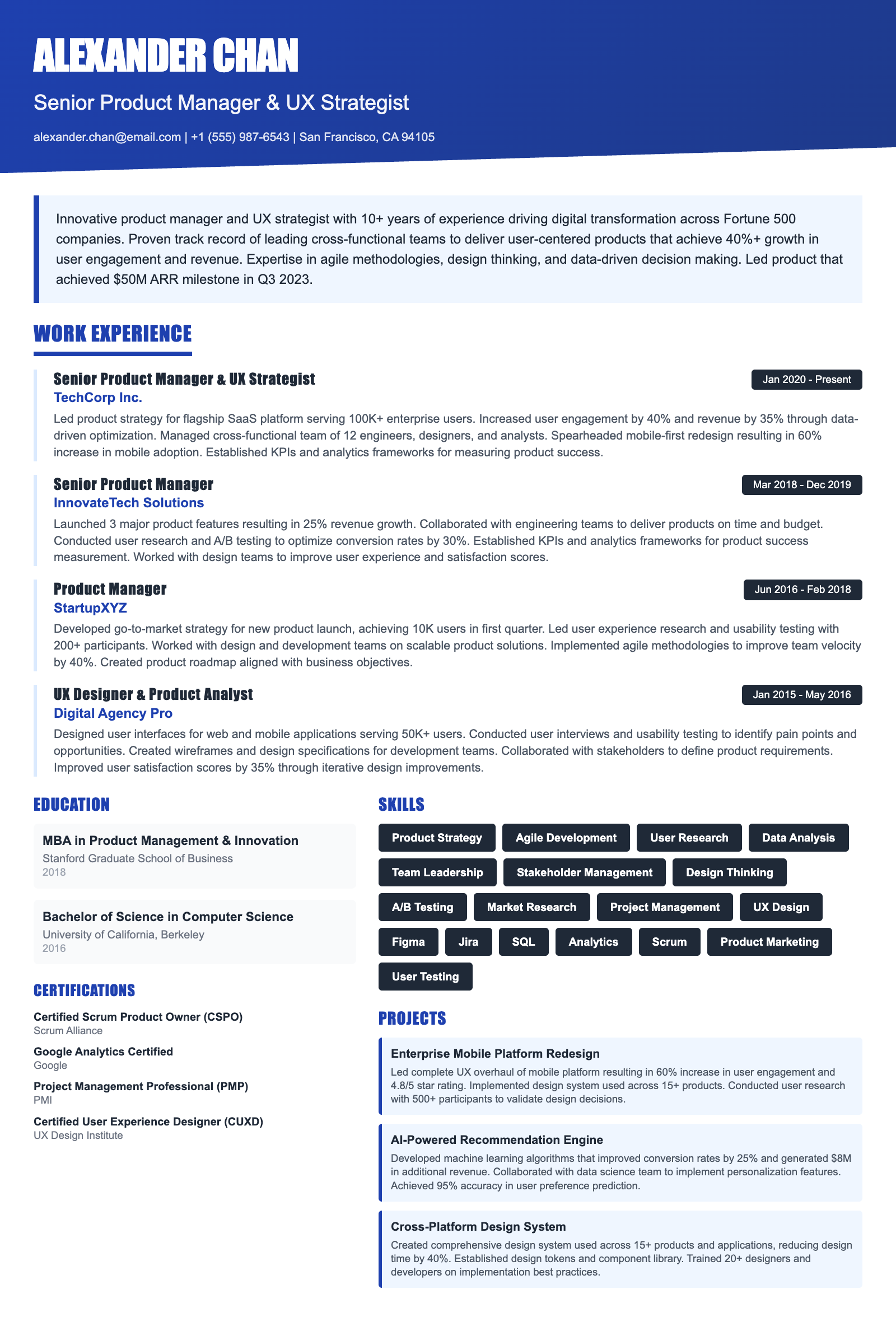
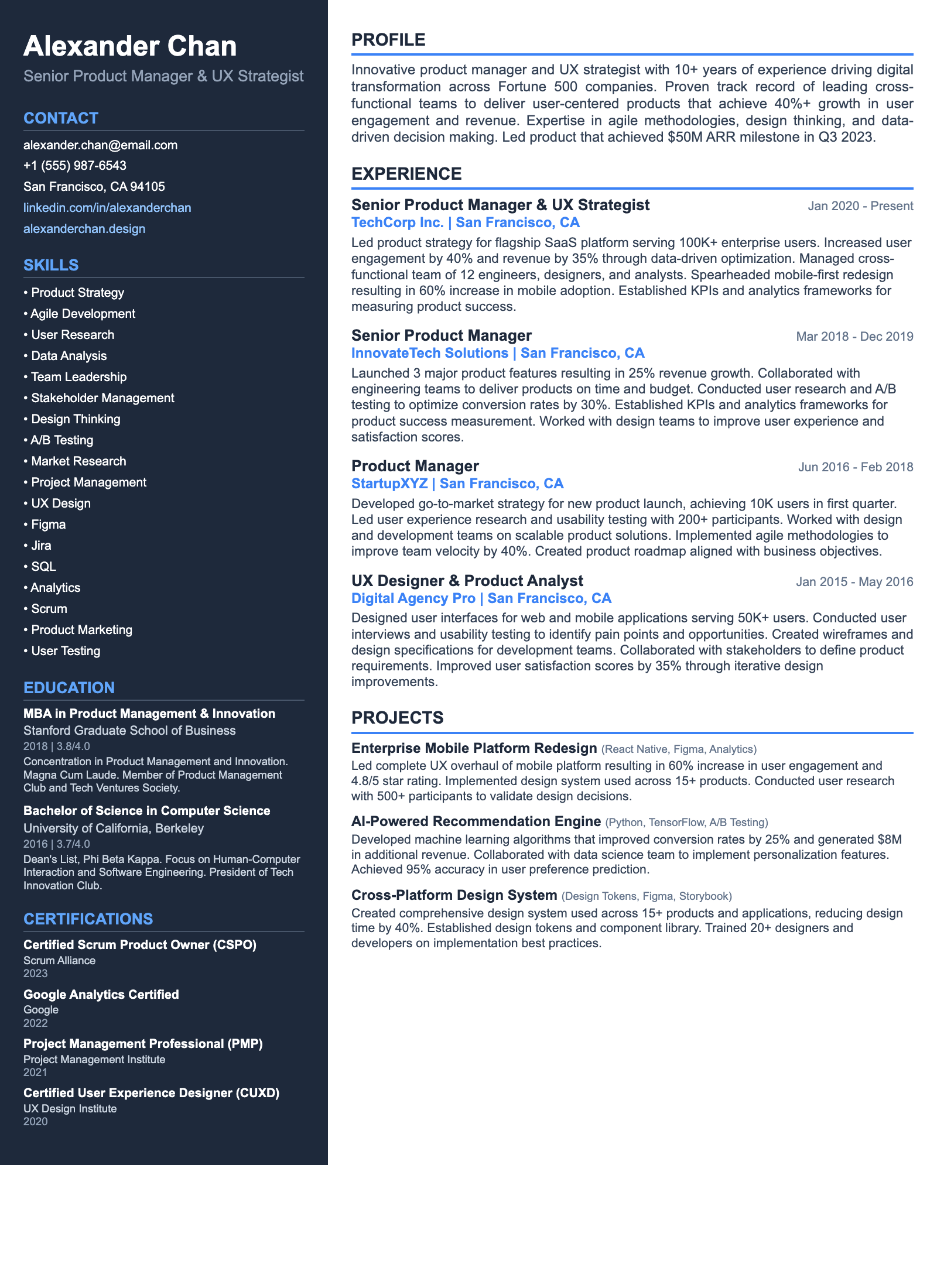
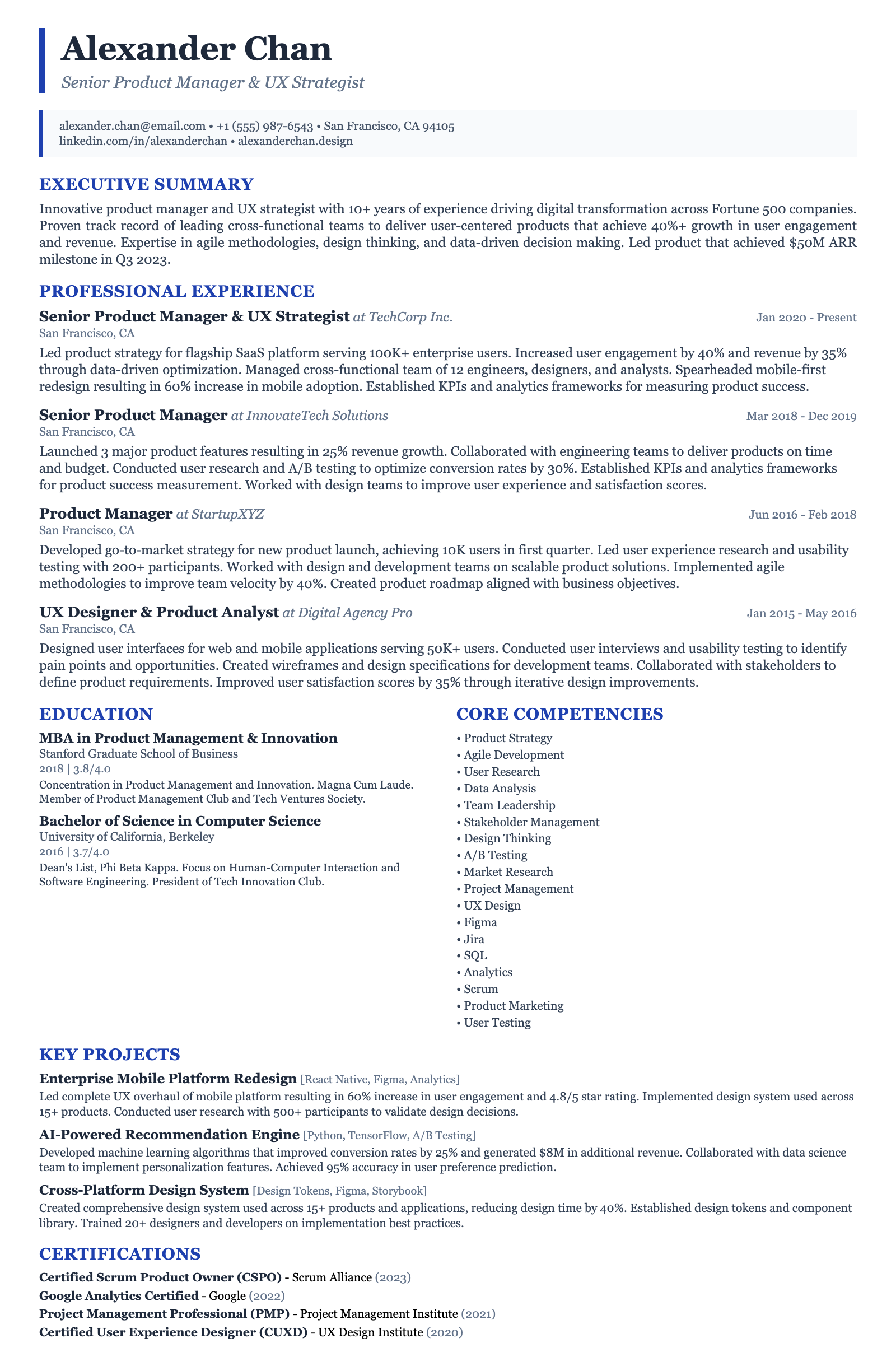
Recommended Resume Templates
ATS-friendly templates designed specifically for Entry-Level Finance Nurse positions in the US market.
Frequently Asked Questions
What qualifications are needed for an Entry-Level Finance Nurse?
Typically, a Bachelor's degree in Nursing (BSN) and a strong interest in finance are required. Some employers may prefer candidates with coursework in accounting, finance, or healthcare administration. Excellent communication, analytical, and problem-solving skills are also essential.
What are the career prospects for a Finance Nurse?
Career prospects are excellent, with opportunities for advancement to roles such as Senior Finance Nurse, Finance Manager, or even Director of Finance within a healthcare organization. The demand for professionals with a blend of financial and healthcare expertise is growing rapidly.
What software skills are important for this role?
Proficiency in Microsoft Excel is crucial. Experience with healthcare billing software (e.g., Epic, Cerner) and data visualization tools (e.g., Tableau, Power BI) is also highly valuable.
Is certification required for Finance Nurses?
While not always required, certifications such as the Certified Healthcare Financial Professional (CHFP) can enhance your credentials and demonstrate your expertise in healthcare finance.
What is the typical work environment for a Finance Nurse?
Finance Nurses typically work in hospitals, clinics, long-term care facilities, or other healthcare organizations. They may work independently or as part of a team, collaborating with clinical staff, administrators, and finance professionals.
What are the biggest challenges in this role?
Balancing the demands of clinical care with financial responsibilities can be challenging. Staying up-to-date on the latest financial regulations and healthcare policies is also crucial. Communicating financial information effectively to non-financial staff is another key challenge.
How can I prepare for an interview for this role?
Prepare examples of how you have used your analytical and problem-solving skills to improve efficiency or reduce costs. Be prepared to discuss your experience with financial analysis, reporting, and healthcare billing processes. Research the organization and its financial performance to demonstrate your interest and knowledge.
What is the difference between a Finance Nurse and a Nurse Auditor?
While both roles involve financial aspects of healthcare, a Finance Nurse focuses on financial analysis, budgeting, and cost optimization within the nursing department. A Nurse Auditor, on the other hand, primarily focuses on reviewing medical records and billing data to ensure accuracy and compliance with regulations. There can be overlap, but the core focus differs.
Ready to Build Your Entry-Level Finance Nurse Resume?
Use our AI-powered resume builder to create an ATS-optimized resume tailored for Entry-Level Finance Nurse positions in the US market.