Launch Your Career: Education Software Engineer (Entry)
In the US job market, recruiters spend seconds scanning a resume. They look for impact (metrics), clear tech or domain skills, and education. This guide helps you build an ATS-friendly Entry-Level Education Software Engineer resume that passes filters used by top US companies. Use US Letter size, one page for under 10 years experience, and no photo.
Essential Skills for Entry-Level Education Software Engineer
Include these keywords in your resume to pass ATS screening and impress recruiters.
Must-Have Skills
- Data Structures and Algorithms
- Object-Oriented Programming (OOP)
- Version Control (Git)
- Problem-solving
- Communication
Technical Skills
- Java
- Python
- JavaScript
- SQL
- Software Testing (Unit, Integration)
Soft Skills
A Day in the Life
As an entry-level education software engineer, my day typically starts with a team stand-up where we discuss progress on current tasks and any roadblocks encountered. I then dive into coding, usually focusing on a specific feature or bug fix assigned to me within the current sprint. A significant portion of my time is spent writing and testing code, ensuring it meets the requirements and integrates seamlessly with other parts of the system. I often collaborate with senior engineers, seeking guidance and feedback on my code. I also spend time learning new technologies and frameworks relevant to our projects. Throughout the day, I participate in code reviews, providing and receiving feedback to ensure code quality. Lunch is usually a social affair with the team, followed by more focused coding time in the afternoon. I might also attend meetings to discuss project progress or brainstorm new ideas. Before the end of the day, I document my work and plan for the next day's tasks, ensuring a smooth transition for myself and the team.
Career Progression Path
Junior Software Engineer
Software Engineer
Senior Software Engineer
Team Lead
Software Architect
Interview Questions & Answers
Prepare for your Entry-Level Education Software Engineer interview with these commonly asked questions.
Describe a time you faced a challenging technical problem. How did you approach it?
MediumSituation: I was tasked with optimizing a slow-running query in our student database. Task: The query was causing performance issues during peak usage. Action: I first used profiling tools to identify the bottleneck. I then analyzed the query execution plan and identified missing indexes. I added appropriate indexes and refactored the query to utilize them effectively. Result: The query execution time was reduced by 80%, significantly improving application performance. This also demonstrates problem solving and technical proficiency.
Explain the concept of Object-Oriented Programming (OOP).
EasyOOP is a programming paradigm based on the concept of 'objects,' which contain data in the form of fields (attributes) and code in the form of procedures (methods). Key principles include encapsulation (bundling data and methods), inheritance (creating new classes from existing ones), and polymorphism (the ability of an object to take on many forms). This promotes code reusability and maintainability.
How do you handle conflicting priorities in a project?
MediumSituation: While working on a new feature for the student dashboard, a critical bug was reported in the existing grade calculation module. Task: I needed to address both the new feature and the bug fix efficiently. Action: I immediately communicated the situation to my team lead and discussed the severity and impact of each task. We decided to prioritize the bug fix due to its immediate impact on students. I temporarily paused work on the new feature, fixed the bug, and then resumed work on the dashboard. Result: The critical bug was resolved quickly, minimizing disruption to students, and the new feature was delivered on time with only a minor delay.
Describe your experience with version control systems like Git.
EasyI have experience using Git for version control in both personal and team projects. I'm proficient in using commands like `clone`, `branch`, `commit`, `push`, `pull`, and `merge`. I understand the importance of branching strategies for managing different features and bug fixes. I've also used Git for collaborating with other developers, resolving merge conflicts, and contributing to open-source projects.
Tell me about a time you had to learn a new technology quickly.
MediumSituation: Our team decided to adopt a new testing framework, pytest, for our Python projects. Task: I needed to quickly learn pytest and integrate it into our existing testing workflow. Action: I started by reading the official pytest documentation and online tutorials. I then created a small practice project to experiment with the framework's features. I also collaborated with a senior engineer who had experience with pytest. Result: Within a week, I was able to write effective tests using pytest and integrate it into our CI/CD pipeline, improving the efficiency and reliability of our testing process.
What are your preferred debugging techniques?
MediumI typically start by carefully reviewing the error message and stack trace to understand the location and nature of the error. I then use debugging tools provided by my IDE (e.g., VS Code, IntelliJ) to step through the code line by line and inspect variable values. I also use logging statements to track the flow of execution and identify potential issues. When debugging complex problems, I often use the 'rubber duck debugging' technique, where I explain the problem to someone (or something) to clarify my understanding and identify potential errors.
How do you stay updated with the latest trends in software engineering?
EasyI regularly read industry blogs and articles, follow influential developers on social media, and attend online conferences and webinars. I also participate in online communities and forums to learn from other developers and share my knowledge. Furthermore, I actively seek out opportunities to learn new technologies and techniques through online courses and personal projects.
ATS Optimization Tips
Make sure your resume passes Applicant Tracking Systems used by US employers.
Use standard section headings: 'Professional Experience' not 'Where I've Worked'
Include exact job title from the posting naturally in your resume
Add a Skills section with Education-relevant keywords from the job description
Save as .docx or .pdf (check the application instructions)
Avoid tables, text boxes, headers/footers, and images - these confuse ATS parsers
Common Resume Mistakes to Avoid
Don't make these errors that get resumes rejected.
Lack of specific project examples showcasing coding skills.
Not quantifying achievements or contributions in previous roles.
Neglecting to tailor the resume to the specific job description and company.
Poor formatting and readability, making it difficult to scan.
Insufficiently highlighting relevant technical skills and tools.
Industry Outlook
The US market for Entry-Level Education Software Engineer professionals remains highly competitive. Recruiters and ATS systems prioritize action verbs, quantifiable outcomes (e.g., "Reduced latency by 40%", "Led a team of 8"), and clear alignment with job descriptions. Candidates who demonstrate measurable impact and US-relevant certifications—coupled with a one-page, no-photo resume—see significantly higher callback rates in major hubs like California, Texas, and New York.
Top Hiring Companies
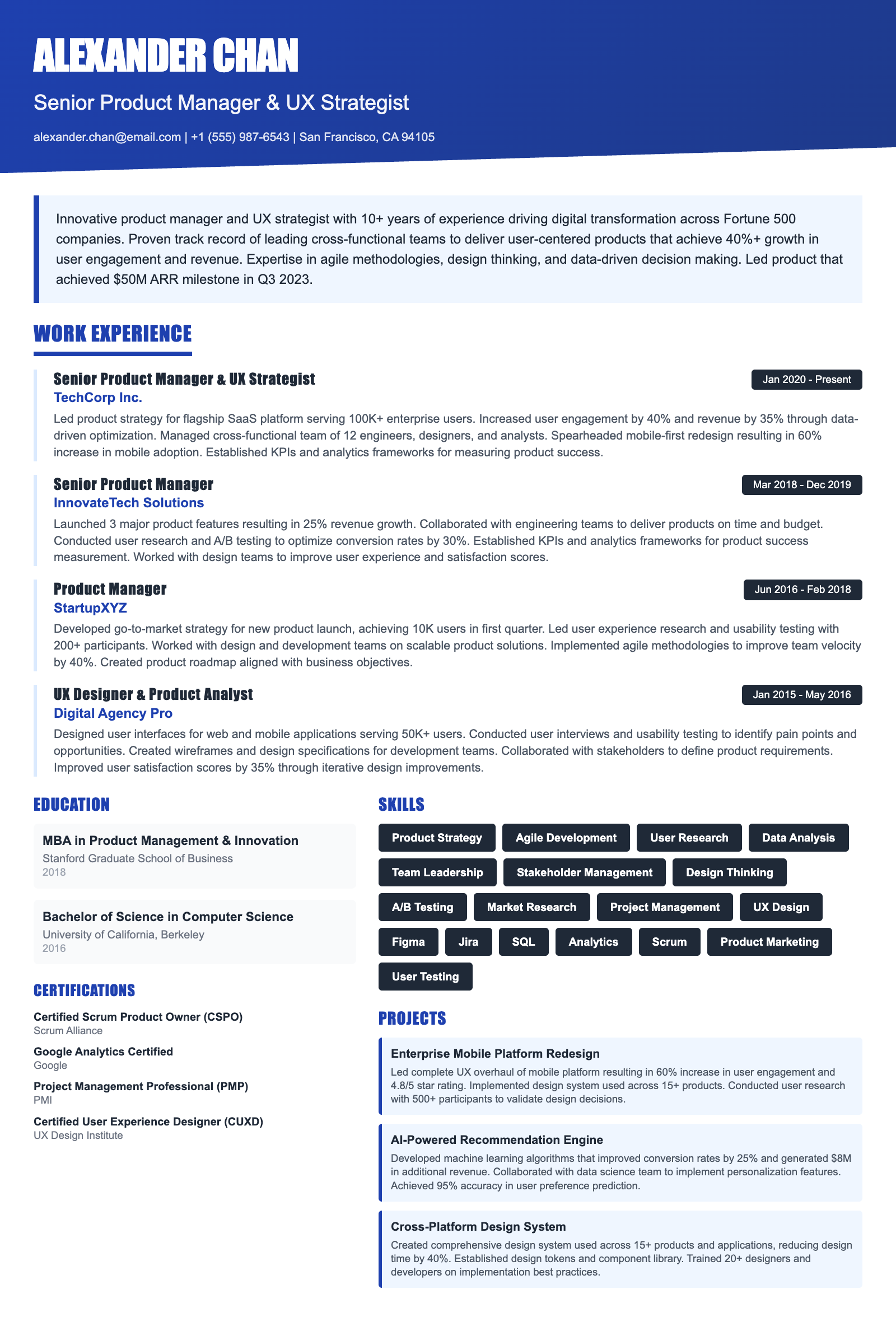
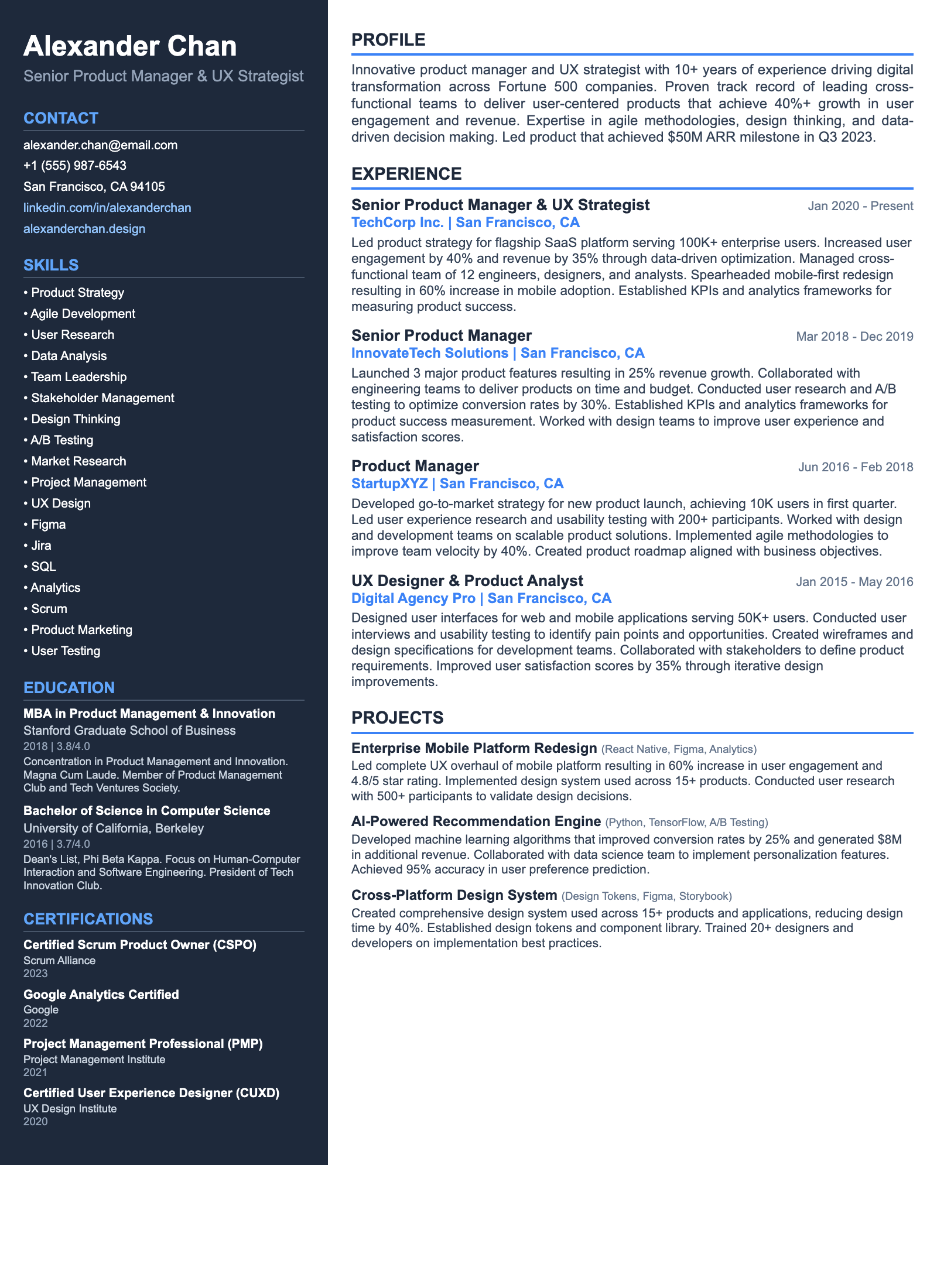
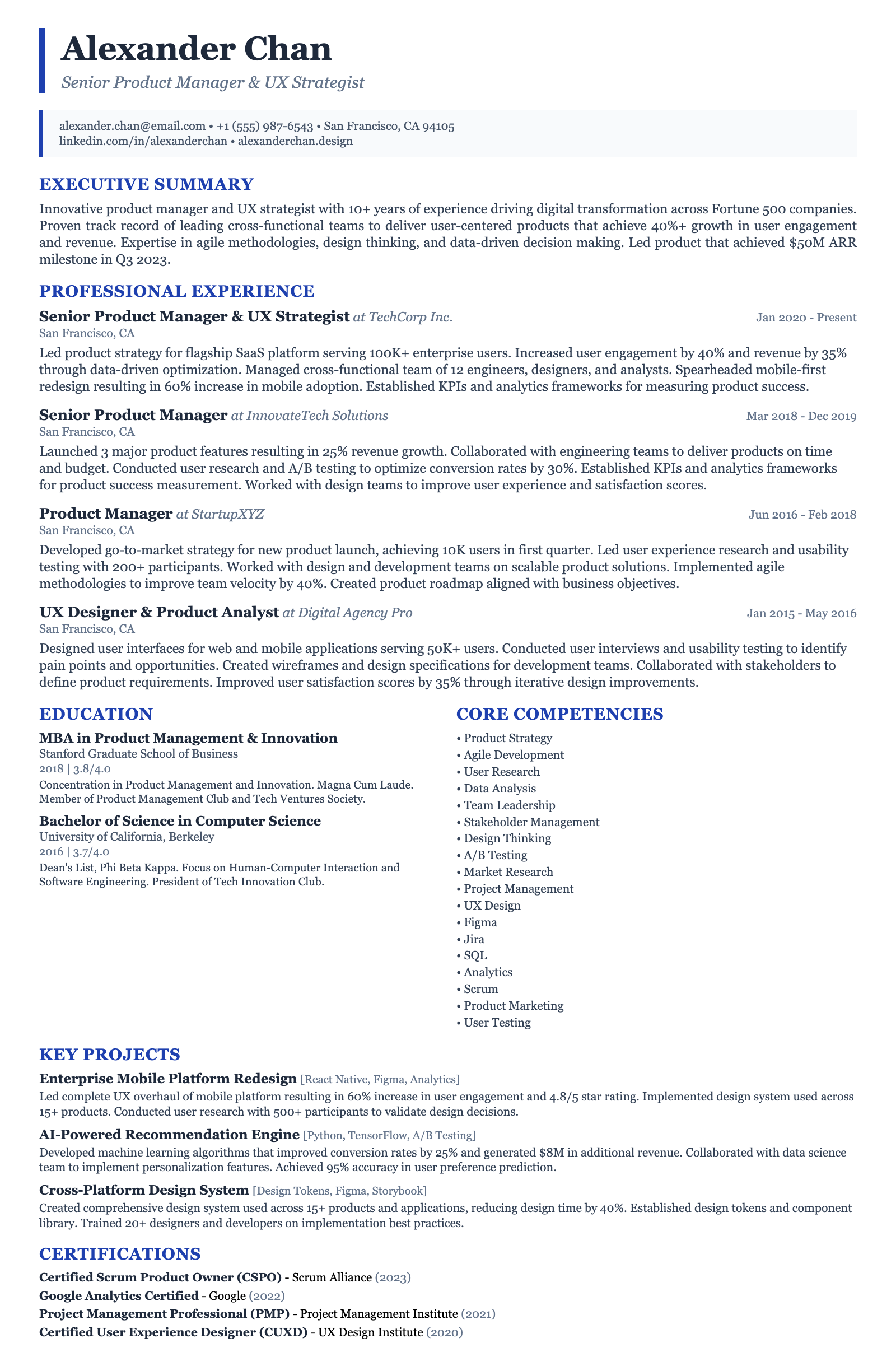
Recommended Resume Templates
ATS-friendly templates designed specifically for Entry-Level Education Software Engineer positions in the US market.
Frequently Asked Questions
What qualifications do I need for an entry-level education software engineer role?
A bachelor's degree in computer science or a related field is typically required. Strong programming skills in languages like Java, Python, or JavaScript are essential. Experience with data structures, algorithms, and object-oriented programming is also important.
What are the key skills needed to succeed in this role?
Technical skills such as proficiency in programming languages, data structures, and algorithms are crucial. Soft skills like teamwork, communication, and problem-solving are also essential for collaborating with colleagues and addressing technical challenges.
What is the typical career path for an education software engineer?
The typical career path starts with an entry-level position, progresses to a mid-level software engineer role, and then to a senior software engineer position. With experience and leadership skills, you can advance to roles such as team lead, architect, or engineering manager.
What is the work environment like for an education software engineer?
The work environment is typically collaborative and fast-paced. You'll work with a team of developers, designers, and product managers to build and maintain educational software. The focus is on innovation and creating solutions that improve the learning experience for students.
What kind of projects will I be working on?
You might be working on projects such as developing online learning platforms, creating interactive educational games, building assessment tools, or designing data analytics dashboards for educators.
How important is it to have experience with specific educational technologies?
While experience with specific educational technologies is a plus, it's not always required. A strong foundation in computer science principles and programming skills is more important. You can learn specific educational technologies on the job.
What opportunities are there for professional development?
Many companies offer opportunities for professional development, such as training courses, conferences, and mentorship programs. You can also pursue certifications and online courses to enhance your skills.
Is remote work an option for entry-level education software engineers?
Remote work options vary depending on the company. Some companies offer fully remote positions, while others offer hybrid or in-office arrangements. Be sure to inquire about remote work options during the interview process.
Ready to Build Your Entry-Level Education Software Engineer Resume?
Use our AI-powered resume builder to create an ATS-optimized resume tailored for Entry-Level Education Software Engineer positions in the US market.