Launch Your Career: Entry-Level Education Nurse
Kickstart your nursing career by providing crucial healthcare services in educational settings. This entry-level role offers a rewarding opportunity to promote student well-being and contribute to a healthy learning environment.
Essential Skills for Entry-Level Education Nurse
Include these keywords in your resume to pass ATS screening and impress recruiters.
Must-Have Skills
- Effective Communication
- Patient Assessment
- Emergency Response
- Time Management and Organization
- Documentation
Technical Skills
- Electronic Health Records (EHR)
- Medication Administration
- First Aid and CPR
- Pediatric Healthcare Knowledge
- Health Assessment Techniques
Soft Skills
A Day in the Life
Imagine starting your day by reviewing student health records and preparing for scheduled medication administrations. A student with a sudden fever arrives, and you quickly assess their condition, providing comfort and contacting their parents. Next, you conduct vision screenings for a class of third graders, identifying students who may need further evaluation. After lunch, you lead a health education session on handwashing techniques for kindergarteners, making it fun and interactive. The afternoon involves collaborating with a teacher to develop a plan for a student with diabetes to ensure their needs are met during school hours. Throughout the day, you document all interactions and maintain strict confidentiality, ensuring the health and safety of every student. You also attend to minor scrapes and bruises, offering reassurance and a band-aid to get kids back to learning. The day ends with preparing for the next day's schedule, ensuring all medications are properly stocked and records are up-to-date.
Career Progression Path
Entry-Level Education Nurse
School Nurse
Lead School Nurse
School Nurse Coordinator
Interview Questions & Answers
Prepare for your Entry-Level Education Nurse interview with these commonly asked questions.
Describe a time you had to handle a medical emergency in a fast-paced environment.
MediumSTAR Method: Situation: During my clinical rotation in the ER, a child arrived with a severe allergic reaction. Task: My task was to assist the attending physician in administering epinephrine and monitoring the child's vital signs. Action: I quickly gathered the necessary equipment, prepared the epinephrine injection, and continuously monitored the child's heart rate, breathing, and blood pressure. I also communicated with the child's parents to reassure them. Result: The child's condition stabilized, and they were transferred to the ICU for further observation. This experience taught me the importance of quick thinking and teamwork in emergency situations.
How do you approach communicating health information to children of different ages?
MediumI tailor my communication style to the child's age and developmental level. For younger children, I use simple language, visual aids, and play-based learning to explain concepts. For older children, I provide more detailed information and encourage them to ask questions. I always strive to be empathetic and understanding, creating a safe space for children to express their concerns.
What experience do you have with electronic health records (EHR) systems?
EasyDuring my nursing program, I gained extensive experience using EHR systems such as Epic and Cerner. I am proficient in documenting patient information, accessing medical records, and generating reports. I understand the importance of accurate and confidential record-keeping and am committed to adhering to HIPAA guidelines.
How do you handle a situation where a parent disagrees with your assessment of their child's health?
MediumI would approach the situation with empathy and respect, actively listening to the parent's concerns. I would explain my assessment in a clear and concise manner, providing evidence-based information to support my recommendations. If the parent still disagrees, I would consult with the school physician or nurse coordinator to develop a collaborative solution that prioritizes the child's health and well-being.
Describe your experience with administering medications to children.
EasyI have experience administering various medications to children, including oral medications, injections, and topical treatments. I am meticulous in verifying medication orders, calculating dosages accurately, and educating children and their parents about potential side effects. I strictly adhere to medication administration policies and procedures to ensure patient safety.
How would you promote health and wellness within a school setting?
MediumI would promote health and wellness by implementing various initiatives, such as health education programs, wellness challenges, and partnerships with community organizations. I would also advocate for policies that support healthy eating, physical activity, and mental well-being. My goal would be to create a culture of health within the school, empowering students and staff to make informed choices about their health.
Tell me about a time you had to advocate for a patient's needs.
HardSituation: During my clinical rotation, a young student with asthma was consistently missing school due to frequent asthma attacks. Task: My task was to advocate for the student's needs and ensure they had access to the resources necessary to manage their condition effectively. Action: I collaborated with the student's parents, teachers, and physician to develop an individualized asthma action plan. I also educated the student on proper inhaler technique and asthma triggers. Result: The student's asthma attacks decreased significantly, and they were able to attend school more consistently. This experience highlighted the importance of advocating for patient needs and working collaboratively to improve their health outcomes.
ATS Optimization Tips
Make sure your resume passes Applicant Tracking Systems used by US employers.
Use standard section headings: 'Professional Experience' not 'Where I've Worked'
Include exact job title from the posting naturally in your resume
Add a Skills section with Education-relevant keywords from the job description
Save as .docx or .pdf (check the application instructions)
Avoid tables, text boxes, headers/footers, and images - these confuse ATS parsers
Common Resume Mistakes to Avoid
Don't make these errors that get resumes rejected.
Failing to highlight pediatric experience or coursework.
Not showcasing communication skills tailored for children and parents.
Omitting experience with electronic health records or school-specific software.
Neglecting to quantify achievements or impact in previous roles.
Submitting a generic resume that doesn't address the specific needs of the school district.
Industry Outlook
The US market for Entry-Level Education Nurse professionals remains highly competitive. Recruiters and ATS systems prioritize action verbs, quantifiable outcomes (e.g., "Reduced latency by 40%", "Led a team of 8"), and clear alignment with job descriptions. Candidates who demonstrate measurable impact and US-relevant certifications—coupled with a one-page, no-photo resume—see significantly higher callback rates in major hubs like California, Texas, and New York.
Top Hiring Companies
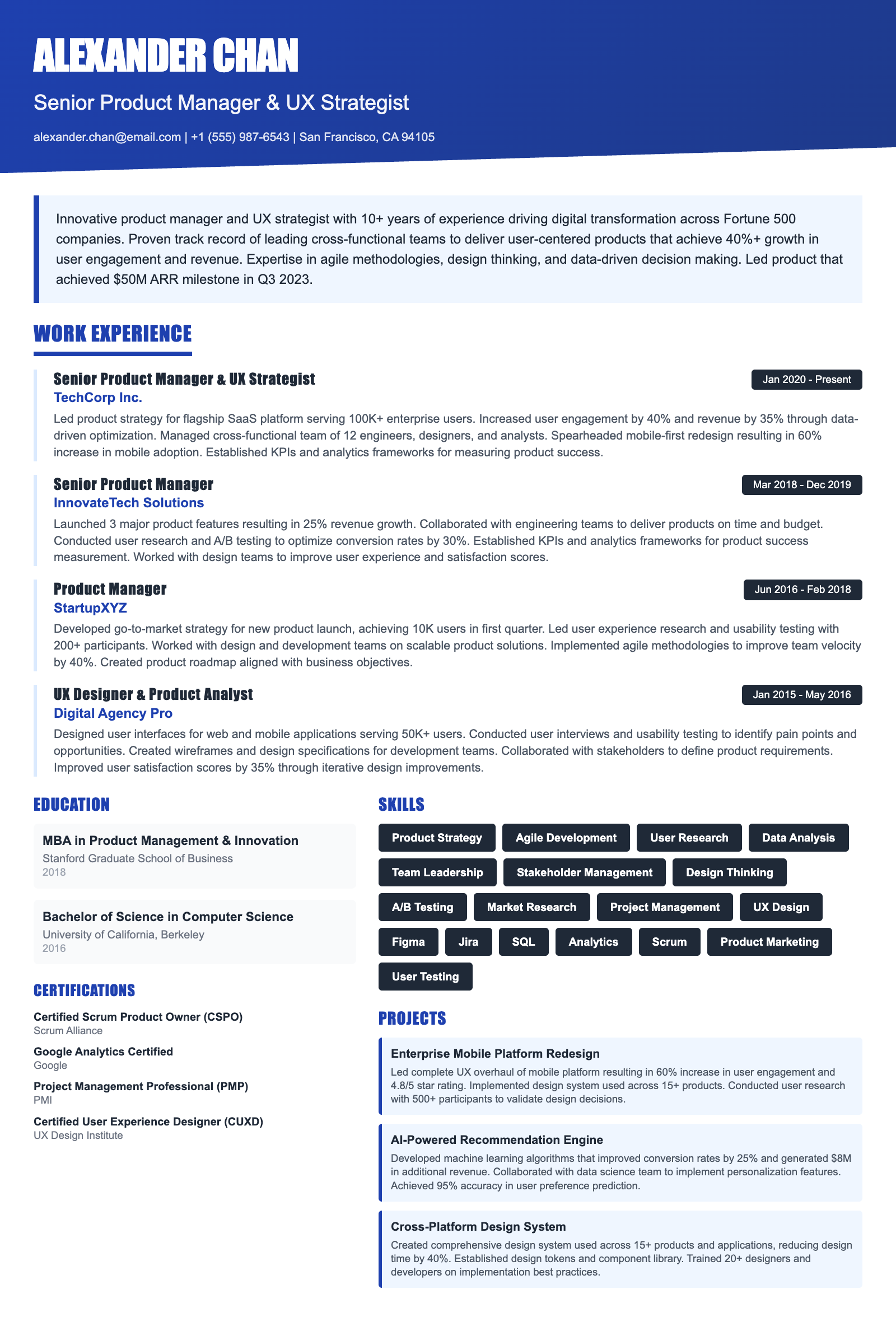
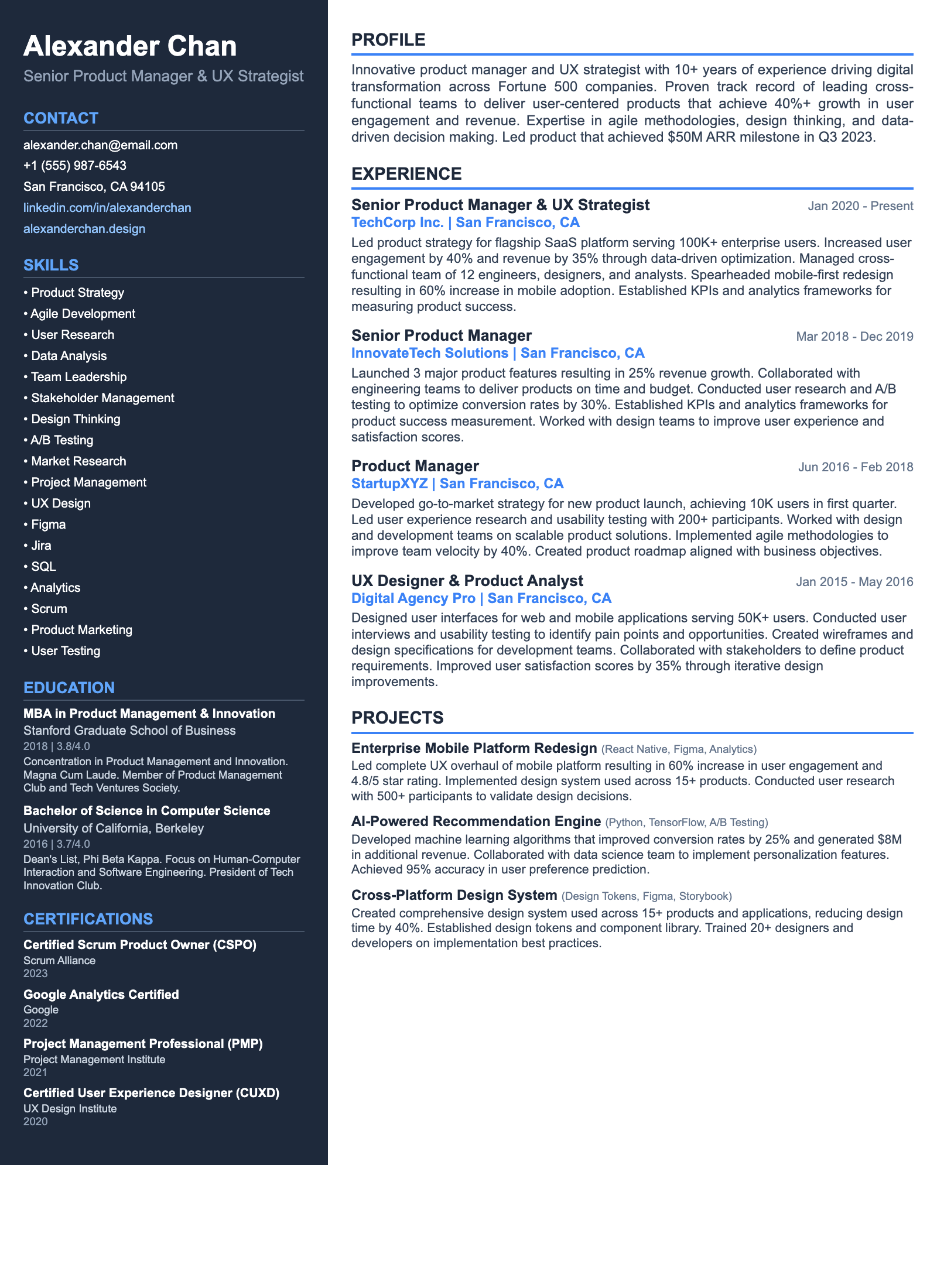
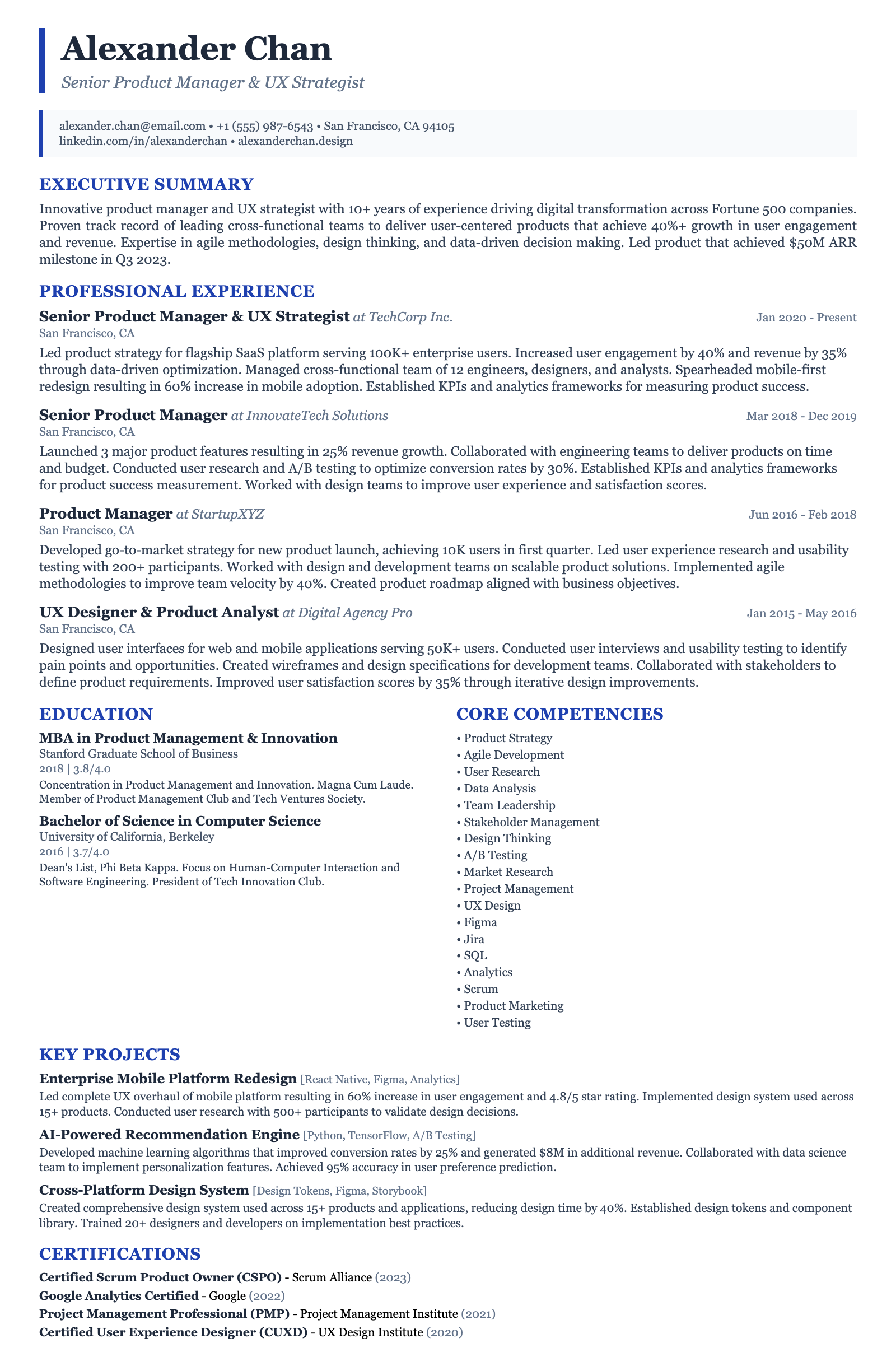
Recommended Resume Templates
ATS-friendly templates designed specifically for Entry-Level Education Nurse positions in the US market.
Frequently Asked Questions
What qualifications do I need to become an entry-level education nurse?
You generally need a Bachelor of Science in Nursing (BSN) or an Associate Degree in Nursing (ADN), a valid Registered Nurse (RN) license in the state where you plan to work, and CPR/First Aid certification. Some schools may prefer candidates with prior experience in pediatrics or school nursing.
What are the typical hours for an education nurse?
Education nurses typically work during school hours, which often align with the academic calendar. This typically results in daytime hours with limited or no weekend or evening work, offering a predictable work-life balance.
What is the difference between a school nurse and an education nurse?
While the terms are often used interchangeably, an education nurse typically works directly within a school setting, providing health services to students. The focus is on promoting student health and creating a healthy learning environment. A 'school nurse' is the more common and widely recognized title.
What kind of professional development opportunities are available for education nurses?
Opportunities include continuing education courses, workshops, and conferences related to pediatric nursing, school health, and emergency care. Many school districts also offer training on specific health topics, such as diabetes management or asthma control.
How does an education nurse role contribute to the overall well-being of students?
Education nurses play a vital role in promoting student health by providing direct medical care, health education, and support. They help students manage chronic conditions, prevent illness, and make healthy choices, contributing to a positive and supportive learning environment.
What are the biggest challenges faced by education nurses?
Some challenges include managing a high volume of students with diverse health needs, dealing with limited resources, and navigating complex school policies and procedures. Building rapport with students and parents can also be challenging, especially in sensitive situations.
Do education nurses work during the summer?
It depends on the school district. Some education nurses may work during the summer to provide health services for summer school programs or to prepare for the upcoming school year. Others may have summers off.
What are some important qualities for an education nurse to possess?
Important qualities include compassion, empathy, strong communication skills, critical thinking abilities, and the ability to work independently and as part of a team. Adaptability, patience, and a commitment to student health are also essential.
Ready to Build Your Entry-Level Education Nurse Resume?
Use our AI-powered resume builder to create an ATS-optimized resume tailored for Entry-Level Education Nurse positions in the US market.