Launch Your Career: Entry-Level Education Data Analyst
In the US job market, recruiters spend seconds scanning a resume. They look for impact (metrics), clear tech or domain skills, and education. This guide helps you build an ATS-friendly Entry-Level Education Data Analyst resume that passes filters used by top US companies. Use US Letter size, one page for under 10 years experience, and no photo.
Essential Skills for Entry-Level Education Data Analyst
Include these keywords in your resume to pass ATS screening and impress recruiters.
Must-Have Skills
- SQL
- Data Visualization
- Statistical Analysis
- Communication Skills
- Problem-Solving
Technical Skills
- Tableau
- Power BI
- R
- Python (Pandas)
- SQL Server Management Studio (SSMS)
Soft Skills
A Day in the Life
Imagine starting your day by reviewing the latest student performance data from across several school districts. You notice a concerning trend in math scores for a specific grade level. You then dive into the data, using SQL to query the database and extract relevant information, such as student demographics, attendance records, and teacher qualifications. After cleaning and preprocessing the data using Python and Pandas, you begin analyzing it using statistical techniques in R. You create visualizations in Tableau to highlight the key findings and prepare a presentation for the district superintendent. The afternoon is spent collaborating with a team of educators to brainstorm potential interventions. Finally, you document your findings and methodologies, ensuring that the analysis is reproducible and transparent. It's a rewarding day knowing your insights can help improve student outcomes.
Career Progression Path
Junior Education Data Analyst
Education Data Analyst
Senior Education Data Analyst
Data Science Manager
Director of Analytics
Interview Questions & Answers
Prepare for your Entry-Level Education Data Analyst interview with these commonly asked questions.
Tell me about a time you used data to solve a problem.
MediumSTAR Method: Situation: A school district was struggling with low graduation rates. Task: I was tasked with identifying the root causes of the problem. Action: I analyzed student data, including attendance records, grades, and demographic information. I discovered that students from low-income families were significantly more likely to drop out. Result: I presented my findings to the school board, and they implemented a program to provide support to at-risk students, leading to a significant increase in graduation rates.
Explain your experience with SQL.
MediumI've used SQL extensively to query and manipulate data in relational databases. I'm proficient in writing complex queries, creating tables, and performing joins. For example, in a previous project, I used SQL to extract data from a large student information system to analyze student performance trends.
Describe your experience with data visualization tools like Tableau or Power BI.
MediumI've used Tableau and Power BI to create interactive dashboards and reports that communicate data insights effectively. I'm familiar with various chart types and techniques for visualizing data, such as scatter plots, bar charts, and maps. I always strive to create visualizations that are clear, concise, and informative.
How do you handle missing or incomplete data?
MediumI approach missing data strategically. First, I try to understand why the data is missing. Depending on the nature of the missingness, I might use techniques like imputation (mean, median, or model-based) or deletion (if the missing data is minimal and doesn't bias the results). I always document my approach and the potential impact on the analysis.
What are some common challenges in analyzing educational data?
MediumEducational data can be complex and messy. Challenges include dealing with inconsistent data formats, identifying and addressing biases, and protecting student privacy. It's crucial to have a strong understanding of data governance policies and ethical considerations.
How do you stay up-to-date with the latest trends in data analysis?
EasyI'm a continuous learner. I regularly read industry blogs and articles, attend webinars and conferences, and participate in online communities to stay informed about the latest advancements in data analysis techniques and tools.
Describe a time you had to present complex data to a non-technical audience.
MediumSTAR Method: Situation: I needed to present a report on student achievement gaps to the school board, who had limited technical expertise. Task: My task was to communicate the findings in a clear and understandable way. Action: I avoided technical jargon and focused on the key takeaways. I used visualizations and storytelling to illustrate the data and its implications. Result: The school board understood the findings and approved funding for targeted interventions.
ATS Optimization Tips
Make sure your resume passes Applicant Tracking Systems used by US employers.
Use standard section headings: 'Professional Experience' not 'Where I've Worked'
Include exact job title from the posting naturally in your resume
Add a Skills section with Education-relevant keywords from the job description
Save as .docx or .pdf (check the application instructions)
Avoid tables, text boxes, headers/footers, and images - these confuse ATS parsers
Common Resume Mistakes to Avoid
Don't make these errors that get resumes rejected.
Lack of quantifiable results on resume
Not tailoring resume to education sector
Omitting key technical skills (SQL, R, Python)
Poorly formatted or confusing data visualizations
Failing to demonstrate understanding of education metrics
Industry Outlook
The US market for Entry-Level Education Data Analyst professionals remains highly competitive. Recruiters and ATS systems prioritize action verbs, quantifiable outcomes (e.g., "Reduced latency by 40%", "Led a team of 8"), and clear alignment with job descriptions. Candidates who demonstrate measurable impact and US-relevant certifications—coupled with a one-page, no-photo resume—see significantly higher callback rates in major hubs like California, Texas, and New York.
Top Hiring Companies
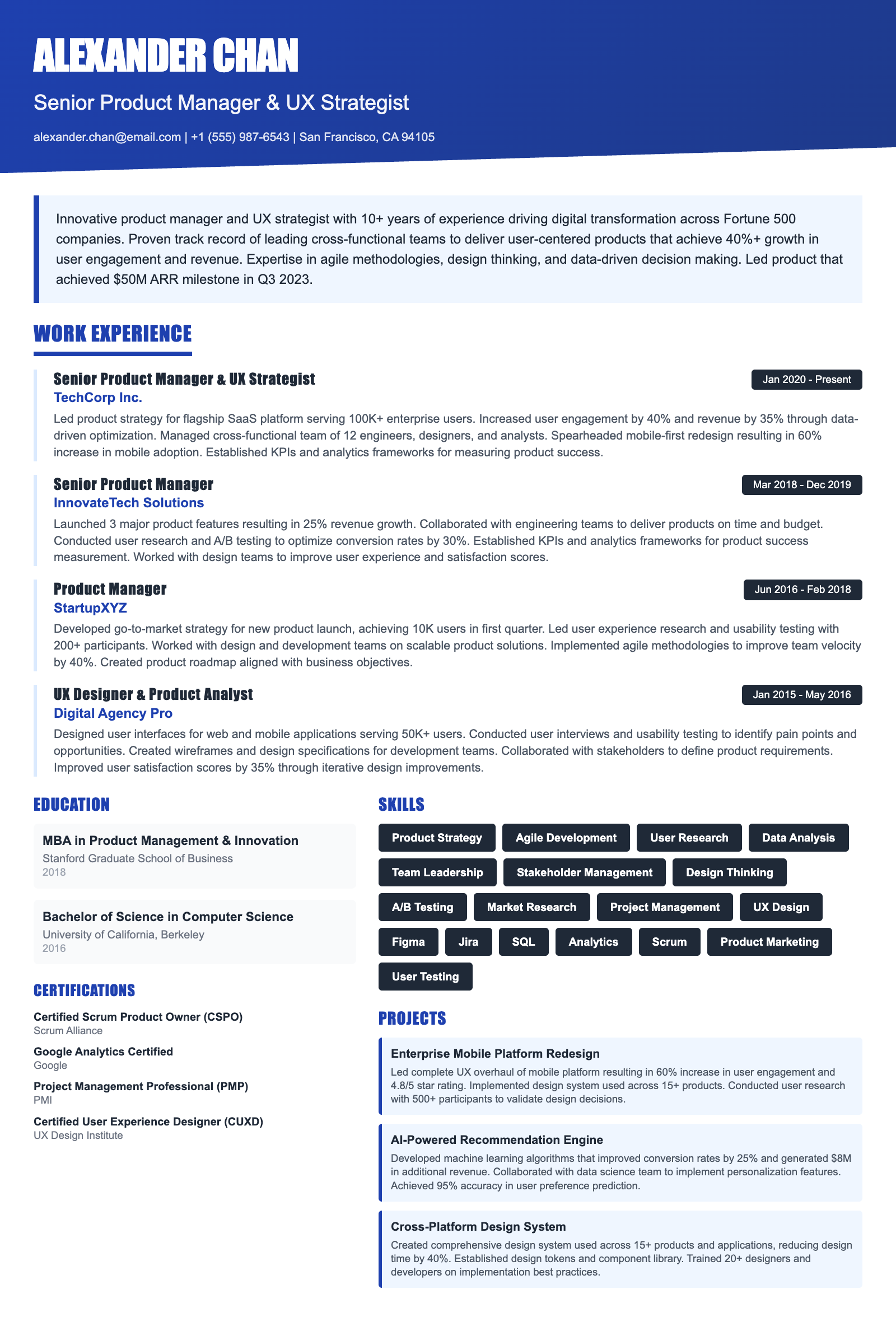
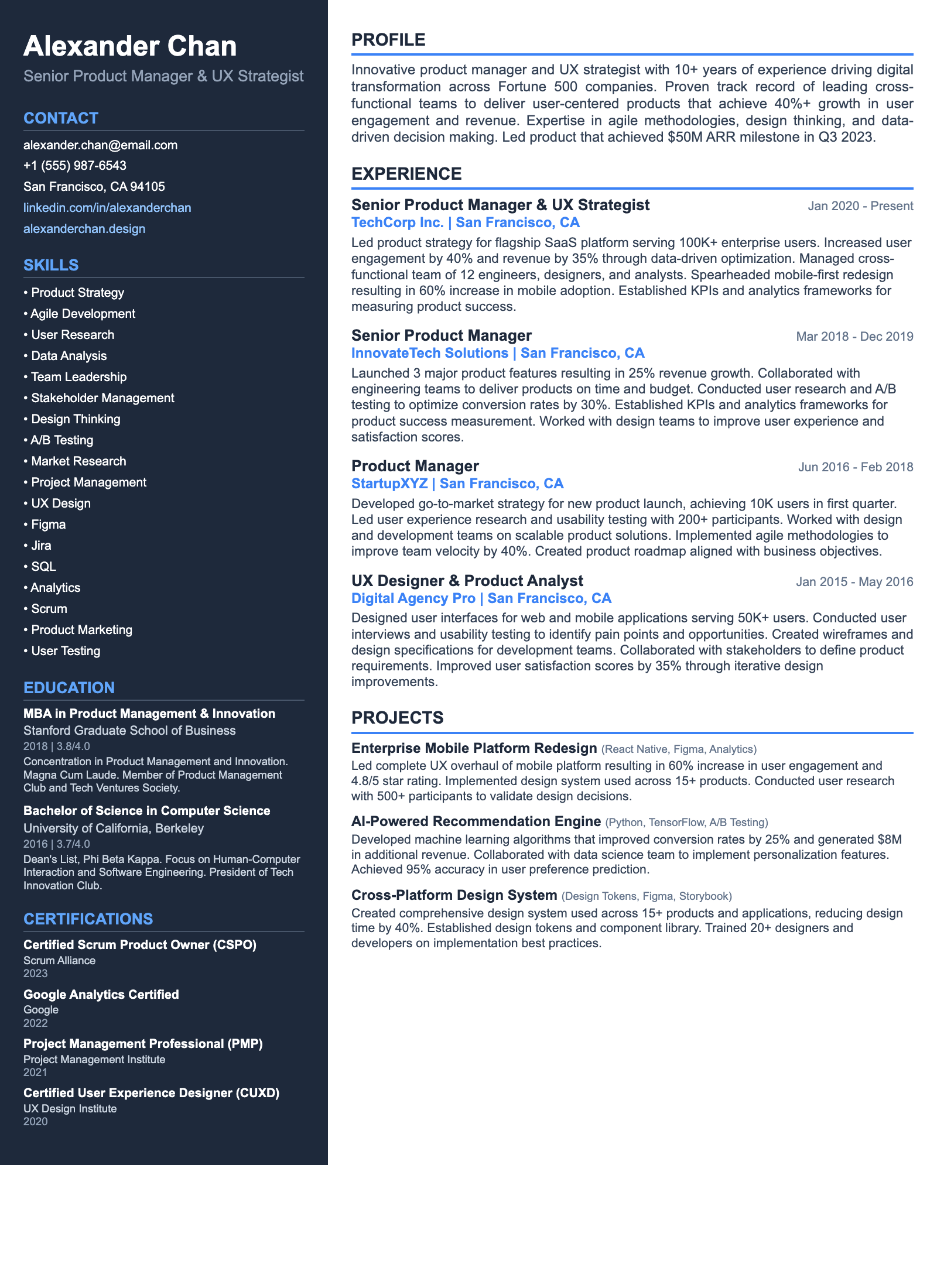
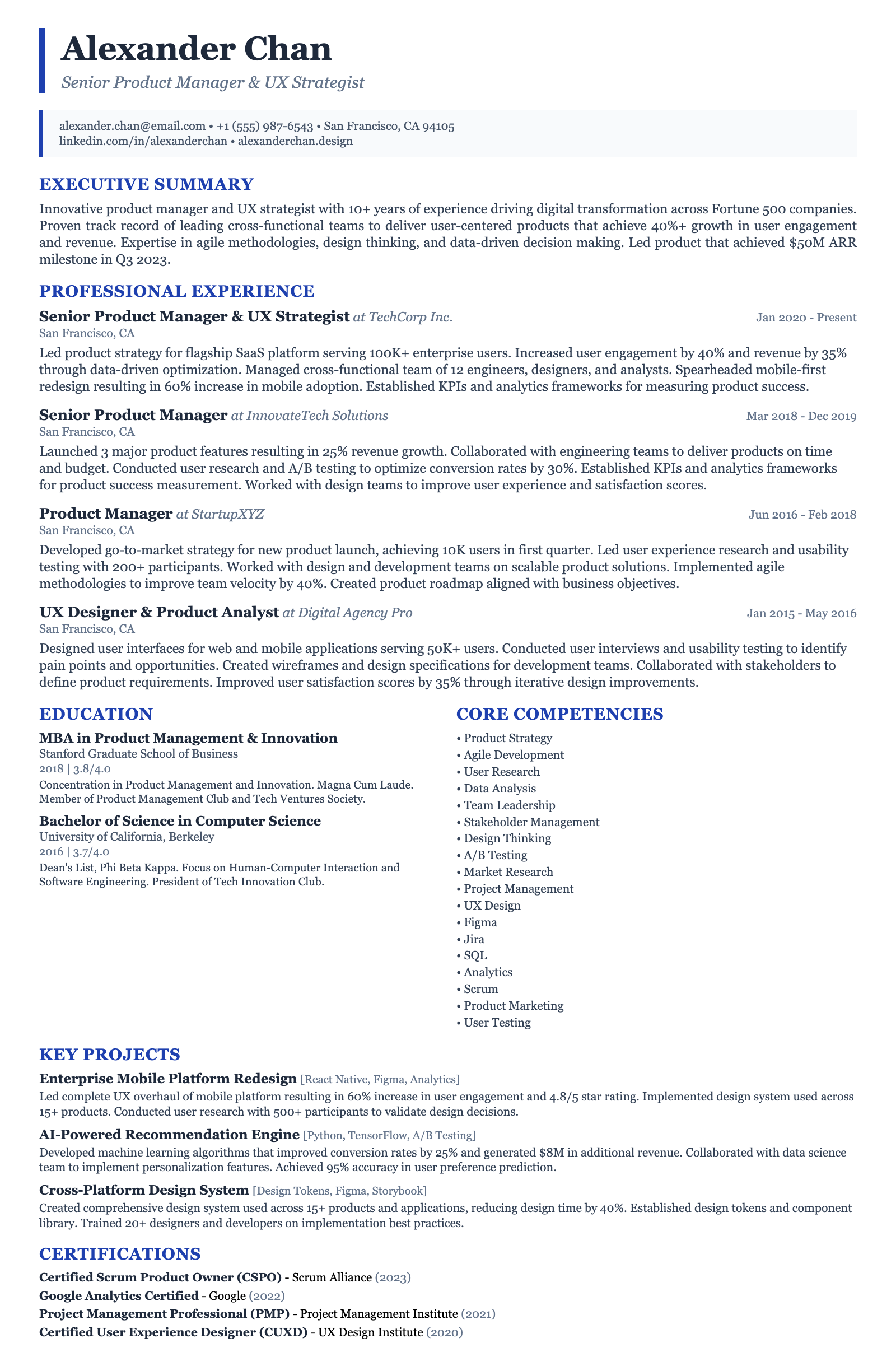
Recommended Resume Templates
ATS-friendly templates designed specifically for Entry-Level Education Data Analyst positions in the US market.
Frequently Asked Questions
What is the typical career path for an Education Data Analyst?
The typical career path starts with entry-level roles and progresses to senior analyst positions, then management roles such as Data Science Manager or Director of Analytics. Further specialization into data science roles is also possible.
What skills are most important for this role?
Technical skills like SQL, R, Python, and data visualization tools are essential. Soft skills like communication, problem-solving, and critical thinking are also crucial for success.
What kind of degree do I need to become an Education Data Analyst?
A bachelor's degree in a related field, such as statistics, mathematics, computer science, or education, is typically required. A master's degree can provide a competitive advantage.
What is the difference between a Data Analyst and a Data Scientist?
Data Analysts typically focus on analyzing existing data to answer specific questions. Data Scientists use more advanced techniques, such as machine learning, to build predictive models and uncover hidden patterns in data.
What are some common tools used by Education Data Analysts?
Common tools include SQL Server Management Studio (SSMS), Tableau, Power BI, R, Python (Pandas, NumPy), and statistical software packages like SPSS.
How can I improve my chances of landing an Education Data Analyst job?
Develop strong technical skills, gain experience with educational data, build a portfolio of projects, and network with professionals in the field. Tailor your resume and cover letter to highlight your relevant skills and experience.
Is prior experience in the education sector required?
While not always required, prior experience in the education sector can be a significant advantage. It demonstrates an understanding of the unique challenges and opportunities in the field.
What are the ethical considerations when working with student data?
Protecting student privacy is paramount. It's crucial to adhere to data governance policies, obtain informed consent, and ensure that data is used responsibly and ethically.
Ready to Build Your Entry-Level Education Data Analyst Resume?
Use our AI-powered resume builder to create an ATS-optimized resume tailored for Entry-Level Education Data Analyst positions in the US market.