Launch Your Career: Entry-Level Education Accountant
Kickstart your accounting career in the education sector! This entry-level role provides a fantastic opportunity to apply your accounting knowledge and contribute to the financial health of educational institutions.
Essential Skills for Entry-Level Education Accountant
Include these keywords in your resume to pass ATS screening and impress recruiters.
Must-Have Skills
- Accounting Principles (GAAP)
- Financial Reporting
- Attention to Detail
- Reconciliation
- Communication (Written and Verbal)
Technical Skills
- Microsoft Excel (Advanced)
- QuickBooks
- NetSuite
- Accounting Software Proficiency
- Microsoft Office Suite
Soft Skills
A Day in the Life
A typical day for an entry-level Education Accountant starts with reviewing the previous day's transactions and ensuring accuracy. The morning is often spent processing invoices and payments, reconciling bank statements, and addressing any discrepancies. You might also be involved in preparing budget reports for department heads, tracking expenses against allocated budgets, and identifying any potential overspending. After lunch, you could be assisting with the preparation of monthly financial statements, analyzing financial data to identify trends, or supporting the senior accountants with audit preparations. You'll likely spend some time responding to emails and phone calls, addressing questions from vendors or internal stakeholders. The day concludes with organizing and filing financial documents, and preparing a to-do list for the next day, ensuring all tasks are prioritized and deadlines are met. This role requires a high level of attention to detail and the ability to manage multiple tasks simultaneously, all while contributing to the financial stability of the educational institution.
Career Progression Path
Junior Accountant
Staff Accountant
Senior Accountant
Accounting Manager
Interview Questions & Answers
Prepare for your Entry-Level Education Accountant interview with these commonly asked questions.
Describe a time you had to resolve a complex accounting issue. What steps did you take?
MediumSituation: In my internship, I encountered a discrepancy in the accounts payable ledger where an invoice was double-entered. Task: My responsibility was to identify and correct the error. Action: First, I reviewed the vendor statement and matched it against our internal records. I then traced the invoice through the approval process to identify where the error occurred. I found that the invoice was mistakenly entered twice by two different clerks. Result: I communicated the error to my supervisor and corrected the ledger by reversing the duplicate entry. This ensured the accuracy of our financial records and prevented overpayment to the vendor. Difficulty: Medium
How do you stay organized when dealing with multiple accounting tasks and deadlines?
EasySituation: I manage multiple tasks with varying deadlines. Task: My task is to ensure all tasks are completed accurately and on time. Action: I utilize a combination of tools, including a digital task manager (like Asana or Trello) and a detailed calendar. I prioritize tasks based on urgency and importance, breaking down larger projects into smaller, manageable steps. I also allocate specific time blocks for focused work and proactively communicate with stakeholders if I anticipate any delays. Result: This system helps me maintain a clear overview of my workload, avoid missed deadlines, and ensure that all tasks are completed to a high standard. Difficulty: Easy
Explain your understanding of Generally Accepted Accounting Principles (GAAP).
MediumGAAP refers to the common set of accounting principles, standards, and procedures that companies use to compile their financial statements. GAAP is a combination of authoritative standards (set by policy boards) and simply the commonly accepted ways of recording and reporting accounting information. It aims to improve the clarity, consistency, and comparability of financial information. Key principles include the revenue recognition principle, the matching principle, and the full disclosure principle. Understanding and adhering to GAAP is critical for ensuring the accuracy and reliability of financial reporting. Difficulty: Medium
Describe your experience with accounting software. Which programs are you proficient in?
EasySituation: During my internship and coursework, I've gained experience with several accounting software programs. Task: To effectively utilize accounting software for financial tasks. Action: I have hands-on experience with QuickBooks, NetSuite, and Blackbaud Financial Edge. I've used these programs for tasks such as general ledger maintenance, accounts payable/receivable processing, bank reconciliation, and financial reporting. I am also proficient in Microsoft Excel and have used it extensively for data analysis and spreadsheet creation. I am a quick learner and confident in my ability to adapt to new software programs as needed. Result: My proficiency with these tools allows me to efficiently and accurately perform my accounting duties. Difficulty: Easy
How would you handle a situation where you discovered a significant error in a financial report?
MediumSituation: Discovering a significant error in a financial report. Task: Correcting the error and preventing future occurrences. Action: First, I would immediately notify my supervisor and explain the nature of the error. I would then thoroughly investigate the root cause of the error, tracing it back to the source data and identifying any systemic issues. I would work with my colleagues to correct the error and revise the financial report. Finally, I would implement measures to prevent similar errors from occurring in the future, such as improving data validation procedures or providing additional training to staff. Result: This proactive approach ensures the accuracy of financial reporting and minimizes the risk of future errors. Difficulty: Medium
Why are you interested in working as an accountant in the education sector?
EasyI am drawn to the education sector because I believe in its mission to empower individuals and communities. As an accountant, I can contribute to the financial health and sustainability of educational institutions, ensuring that resources are allocated effectively to support teaching and learning. I am also motivated by the opportunity to work in a non-profit environment where I can make a positive impact on society. My skills and values align well with the goals of the education sector, and I am confident that I can make a valuable contribution to your organization. Difficulty: Easy
Give an example of a time you had to work under pressure to meet a tight deadline. How did you manage it?
MediumSituation: During my final semester, I was juggling a full course load, an internship, and a group project with a looming deadline. Task: To successfully complete all tasks without compromising quality. Action: I immediately created a detailed schedule, breaking down each task into smaller, manageable steps. I prioritized tasks based on urgency and importance, and I allocated specific time blocks for focused work. I also communicated proactively with my group members and my supervisor to ensure that everyone was on the same page. Result: By staying organized, prioritizing effectively, and communicating clearly, I was able to successfully complete all my tasks on time and to a high standard. Difficulty: Medium
ATS Optimization Tips
Make sure your resume passes Applicant Tracking Systems used by US employers.
Use standard section headings: 'Professional Experience' not 'Where I've Worked'
Include exact job title from the posting naturally in your resume
Add a Skills section with Education-relevant keywords from the job description
Save as .docx or .pdf (check the application instructions)
Avoid tables, text boxes, headers/footers, and images - these confuse ATS parsers
Common Resume Mistakes to Avoid
Don't make these errors that get resumes rejected.
Lack of specific examples demonstrating accounting skills.
Failing to quantify achievements in previous roles or internships.
Omitting relevant coursework or certifications.
Poor formatting and grammar errors.
Not tailoring the resume to the specific requirements of the Education Accountant role.
Industry Outlook
The US market for Entry-Level Education Accountant professionals remains highly competitive. Recruiters and ATS systems prioritize action verbs, quantifiable outcomes (e.g., "Reduced latency by 40%", "Led a team of 8"), and clear alignment with job descriptions. Candidates who demonstrate measurable impact and US-relevant certifications—coupled with a one-page, no-photo resume—see significantly higher callback rates in major hubs like California, Texas, and New York.
Top Hiring Companies
Recommended Resume Templates
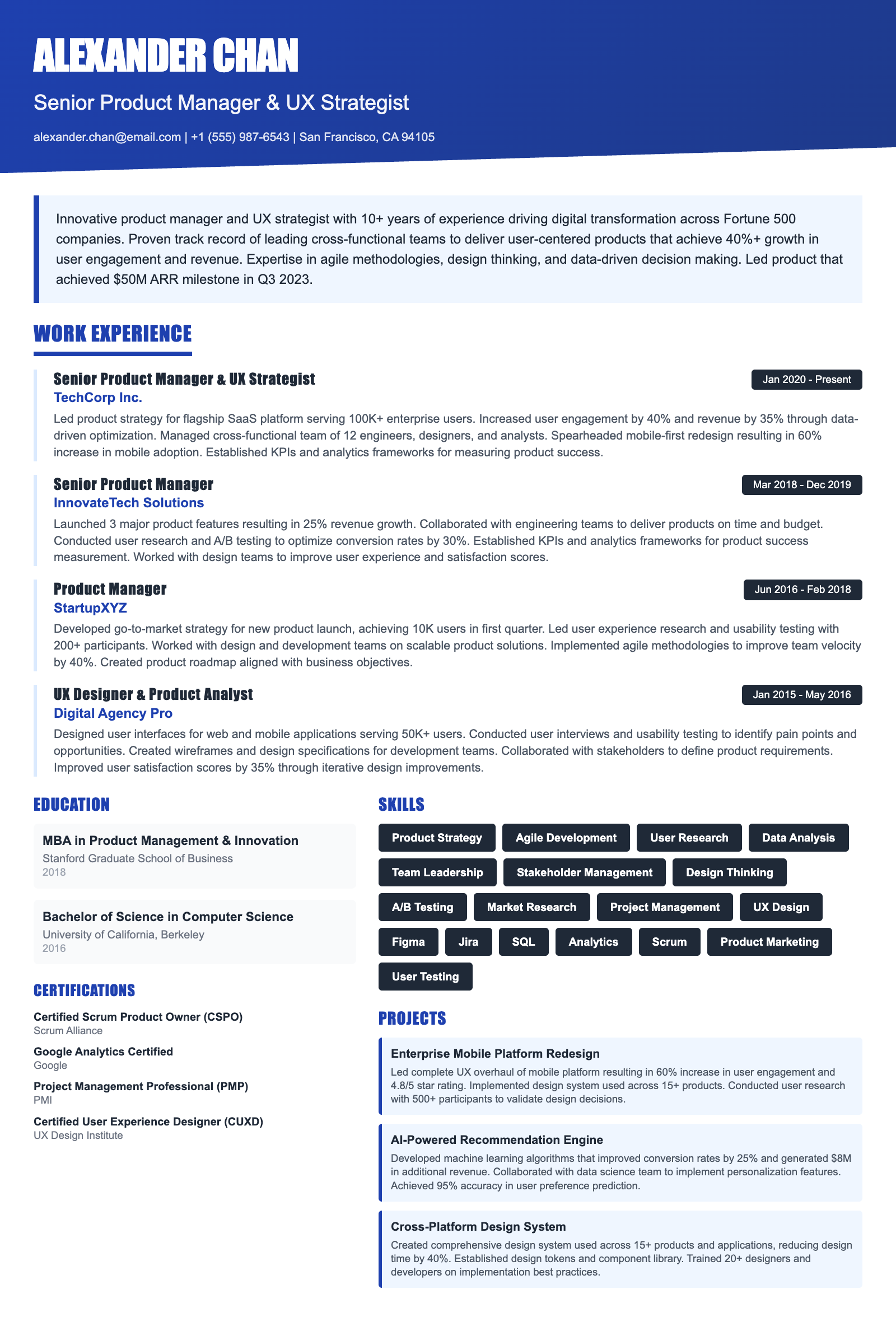
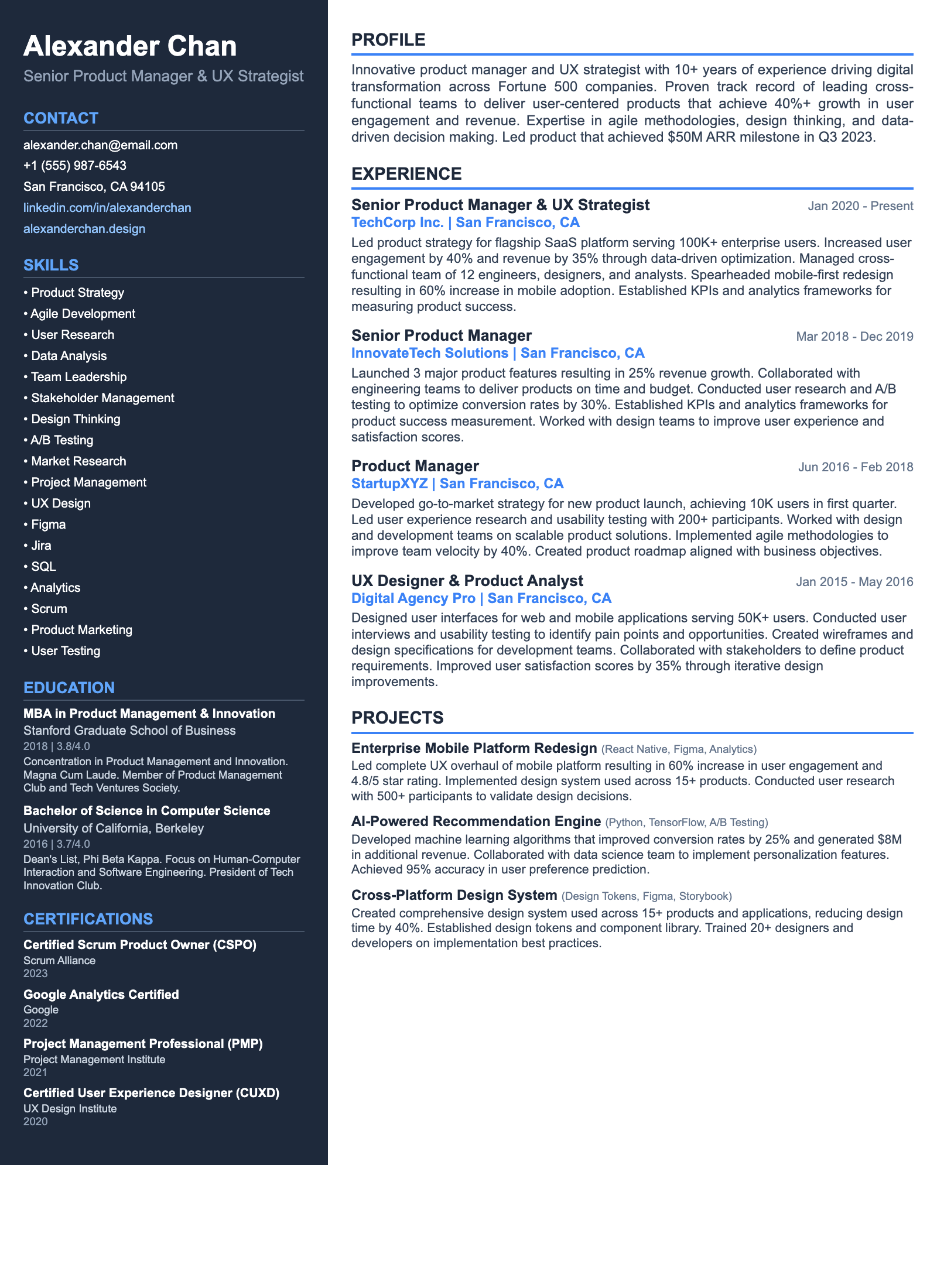
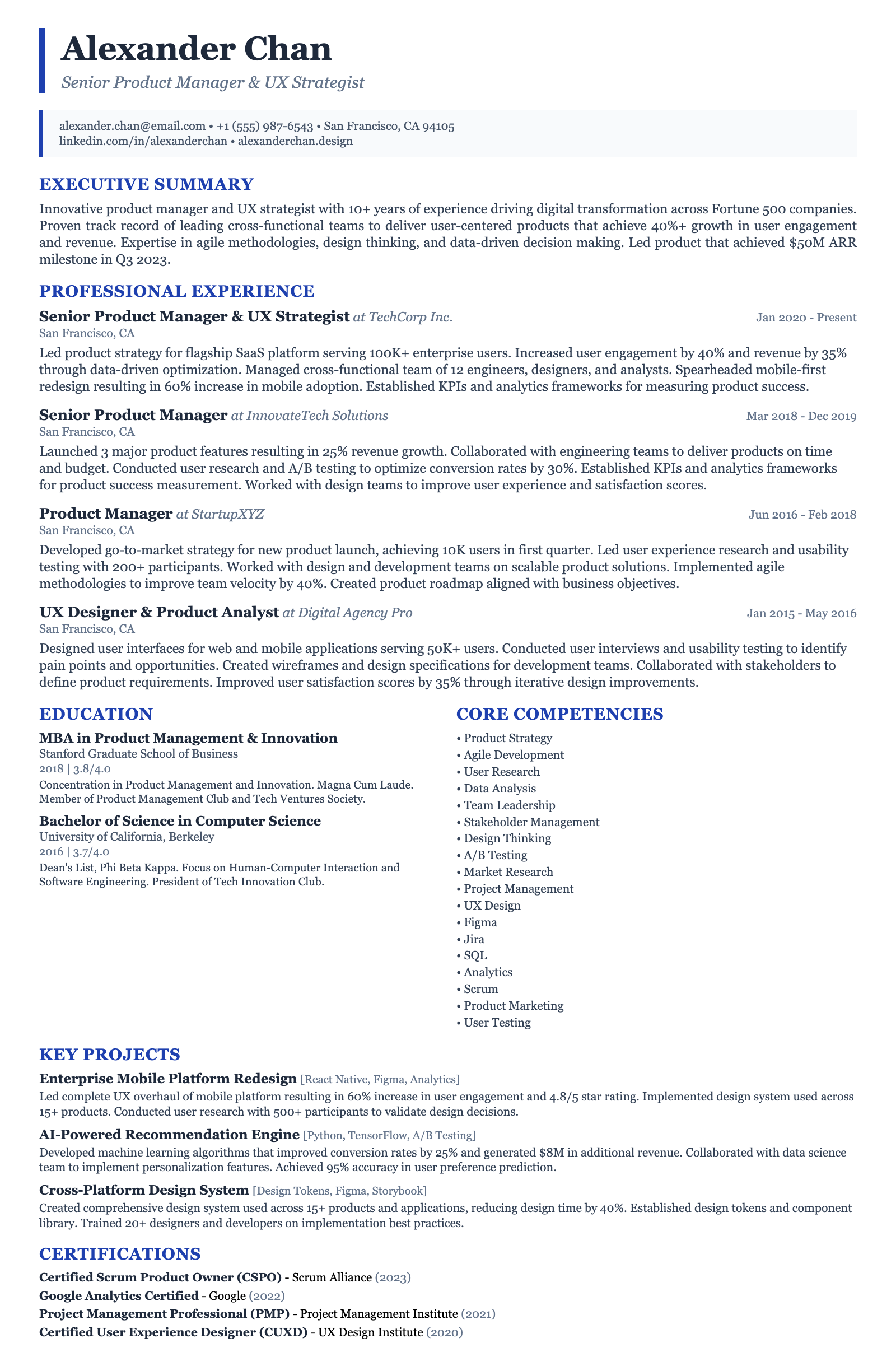
ATS-friendly templates designed specifically for Entry-Level Education Accountant positions in the US market.
Frequently Asked Questions
What are the key skills needed for an entry-level Education Accountant?
Key skills include a strong understanding of accounting principles (GAAP), financial reporting, budgeting, data analysis, proficiency in accounting software (e.g., Excel, QuickBooks), and excellent communication skills.
What is the typical career path for an Education Accountant?
The typical career path progresses from entry-level roles such as Junior Accountant to more senior positions such as Senior Accountant, Accounting Manager, and eventually Controller or Director of Finance.
What are the common mistakes to avoid on an Education Accountant resume?
Common mistakes include a lack of specific examples demonstrating accounting skills, failing to quantify achievements, omitting relevant coursework, and poor formatting and grammar errors.
What is the salary range for an entry-level Education Accountant?
The salary range typically falls between $40,000 and $65,000 per year, depending on experience, location, and the size of the educational institution.
What types of educational institutions hire Education Accountants?
A wide range of educational institutions hire Education Accountants, including public and private schools, colleges and universities, vocational schools, and educational non-profit organizations.
What are the benefits of working as an accountant in the education sector?
Benefits include the opportunity to contribute to a meaningful mission, work in a non-profit environment, and gain valuable experience in fund accounting and financial management of educational institutions.
What accounting software is commonly used in the education sector?
Commonly used accounting software includes QuickBooks, NetSuite, Blackbaud Financial Edge, and other industry-specific solutions.
How important is attention to detail in this role?
Attention to detail is extremely important. Even small errors in financial records can have significant consequences for the financial health of the institution. Meticulousness is a key attribute.
Ready to Build Your Entry-Level Education Accountant Resume?
Use our AI-powered resume builder to create an ATS-optimized resume tailored for Entry-Level Education Accountant positions in the US market.