
Entry-Level Construction Financial Analyst: Launch Your Career
Kickstart your finance career in the booming construction industry. This role offers a fantastic opportunity to apply your financial acumen to real-world projects, contributing to the success of impactful developments across the nation.
Essential Skills for Entry-Level Construction Financial Analyst
Include these keywords in your resume to pass ATS screening and impress recruiters.
Must-Have Skills
- Financial Reporting
- Budgeting & Forecasting
- Data Analysis
- Attention to Detail
- GAAP Principles
Technical Skills
- Microsoft Excel (Advanced)
- Accounting Software (SAP/Oracle)
- Construction Management Software (Procore)
- ERP Systems
- Data Visualization Tools (Tableau)
Soft Skills
A Day in the Life
A typical day as an Entry-Level Construction Financial Analyst starts with reviewing the latest project cost reports to identify any significant variances. I then spend time updating financial models with new data, ensuring accuracy for upcoming budget revisions. A significant portion of my morning is dedicated to communicating with project managers, clarifying invoice discrepancies and gathering information on potential cost overruns. After lunch, I might attend a project meeting to discuss financial performance and provide insights on cost-saving opportunities. The afternoon involves preparing cash flow projections for specific projects, using data visualization tools to present findings clearly. I also devote time to researching industry best practices and staying updated on changes to GAAP principles relevant to construction accounting. Before wrapping up, I ensure all financial records are accurately maintained and organized, prepping for the next day's tasks.
Career Progression Path
Entry-Level Financial Analyst
Financial Analyst
Senior Financial Analyst
Project Accountant
Finance Manager
Controller
Interview Questions & Answers
Prepare for your Entry-Level Construction Financial Analyst interview with these commonly asked questions.
Describe a time you had to analyze a large dataset to identify a trend or problem. What steps did you take?
MediumIn my previous internship, I was tasked with analyzing sales data to identify underperforming product lines. Using Excel, I first cleaned the data to remove any inconsistencies. Then, I created pivot tables and charts to visualize sales trends over time. I identified a significant drop in sales for a specific product category. After further investigation, I discovered that a competitor had launched a similar product at a lower price point. To address this, I recommended a marketing campaign focused on highlighting the unique features and benefits of our product. This led to a 10% increase in sales within the next quarter.
How do you stay organized and manage multiple tasks with competing deadlines?
EasyI rely on a combination of tools and techniques to stay organized. I use a digital calendar to schedule appointments and deadlines. I also maintain a detailed to-do list, prioritizing tasks based on urgency and importance. For complex projects, I break them down into smaller, more manageable steps. I regularly review my progress and adjust my plan as needed. I also communicate proactively with my team to ensure everyone is aware of my workload and any potential bottlenecks.
Explain your understanding of budgeting and forecasting in a construction project.
MediumBudgeting in construction involves estimating all project costs (labor, materials, equipment, permits) throughout the project lifecycle. Forecasting is predicting future costs based on current trends, market conditions, and potential risks. Both are crucial for project success. The budget serves as a baseline, while forecasting allows for proactive adjustments based on changing circumstances, ensuring the project stays within financial constraints and maximizes profitability.
Describe your experience with financial modeling.
MediumDuring my coursework in finance, I built pro forma financial models for various construction projects, incorporating assumptions about revenue, expenses, and financing. I used these models to assess project feasibility, calculate key financial metrics like NPV and IRR, and perform sensitivity analysis to understand the impact of different scenarios. I also created a model to analyze the optimal financing structure for a hypothetical real estate development project.
What are GAAP principles and why are they important?
MediumGAAP, or Generally Accepted Accounting Principles, are a common set of accounting rules, procedures, and standards issued by the Financial Accounting Standards Board (FASB). They're important because they ensure consistency and comparability in financial reporting, allowing stakeholders (investors, creditors, regulators) to make informed decisions based on reliable financial information. Adhering to GAAP promotes transparency and prevents fraudulent financial practices.
How would you handle a situation where you identified a significant cost overrun on a project?
HardFirst, I would verify the accuracy of the data and confirm the extent of the cost overrun. Then, I would analyze the root causes to understand why the overrun occurred. I would collaborate with the project manager and other team members to identify potential solutions, such as renegotiating contracts, finding alternative suppliers, or implementing cost-saving measures. Finally, I would prepare a report summarizing the findings and recommendations, presenting it to management for review and approval. Open communication and a proactive approach are key to mitigating the impact of cost overruns.
What interests you about working in the construction industry specifically?
EasyI'm drawn to the tangible nature of construction. It's rewarding to see how financial analysis directly contributes to the creation of buildings and infrastructure that impact communities. The industry's constant evolution and the challenges of managing complex projects also appeal to my problem-solving skills. I am eager to apply my financial knowledge to contribute to the success of these impactful projects.
ATS Optimization Tips
Make sure your resume passes Applicant Tracking Systems used by US employers.
Use standard section headings: 'Professional Experience' not 'Where I've Worked'
Include exact job title from the posting naturally in your resume
Add a Skills section with Construction-relevant keywords from the job description
Save as .docx or .pdf (check the application instructions)
Avoid tables, text boxes, headers/footers, and images - these confuse ATS parsers
Common Resume Mistakes to Avoid
Don't make these errors that get resumes rejected.
Lack of specific construction industry experience highlighted
Poorly formatted resume with grammatical errors
Failure to quantify achievements with numbers
Insufficient knowledge of GAAP principles
Inadequate understanding of budgeting and forecasting processes
Industry Outlook
The US market for Entry-Level Construction Financial Analyst professionals remains highly competitive. Recruiters and ATS systems prioritize action verbs, quantifiable outcomes (e.g., "Reduced latency by 40%", "Led a team of 8"), and clear alignment with job descriptions. Candidates who demonstrate measurable impact and US-relevant certifications—coupled with a one-page, no-photo resume—see significantly higher callback rates in major hubs like California, Texas, and New York.
Top Hiring Companies
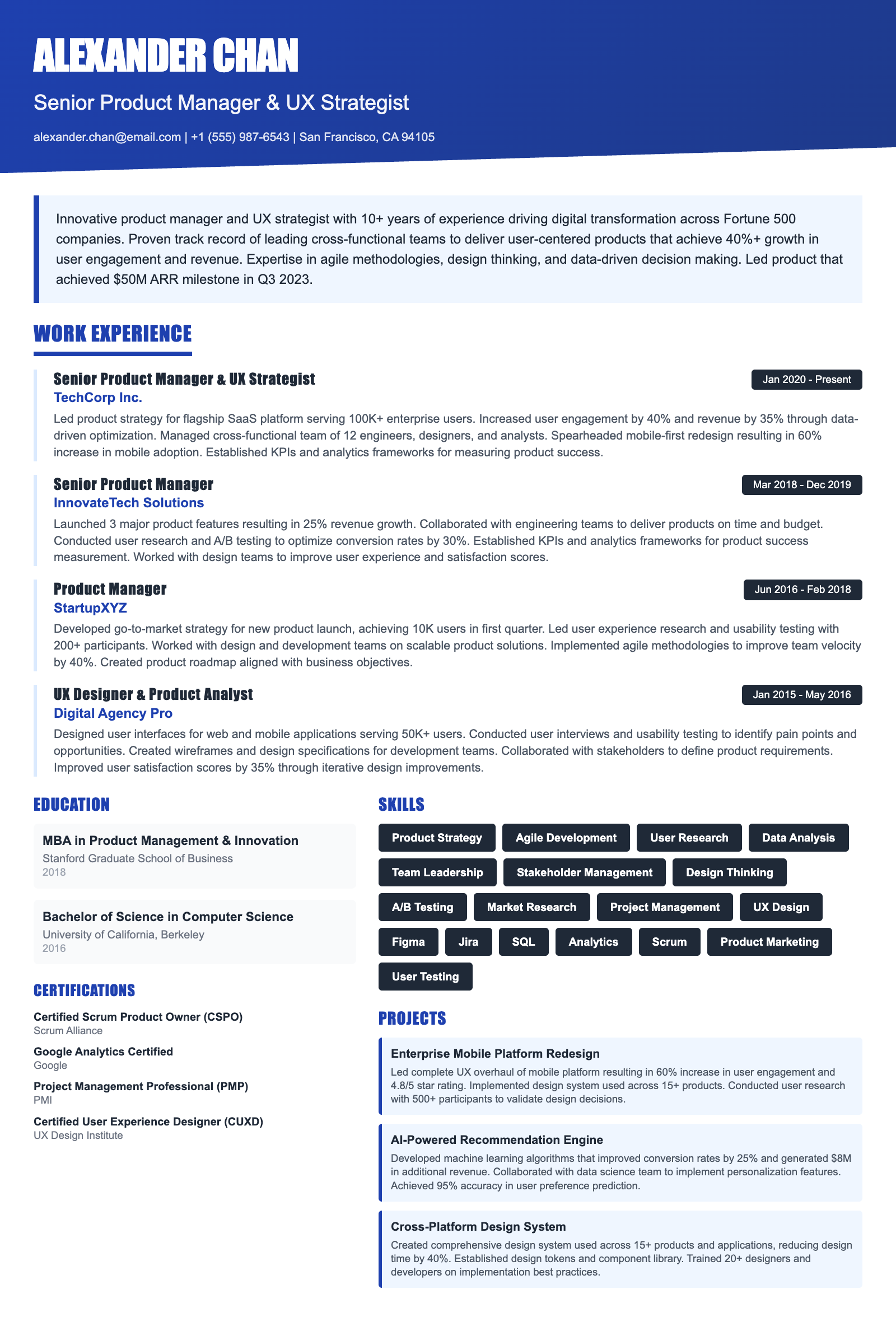
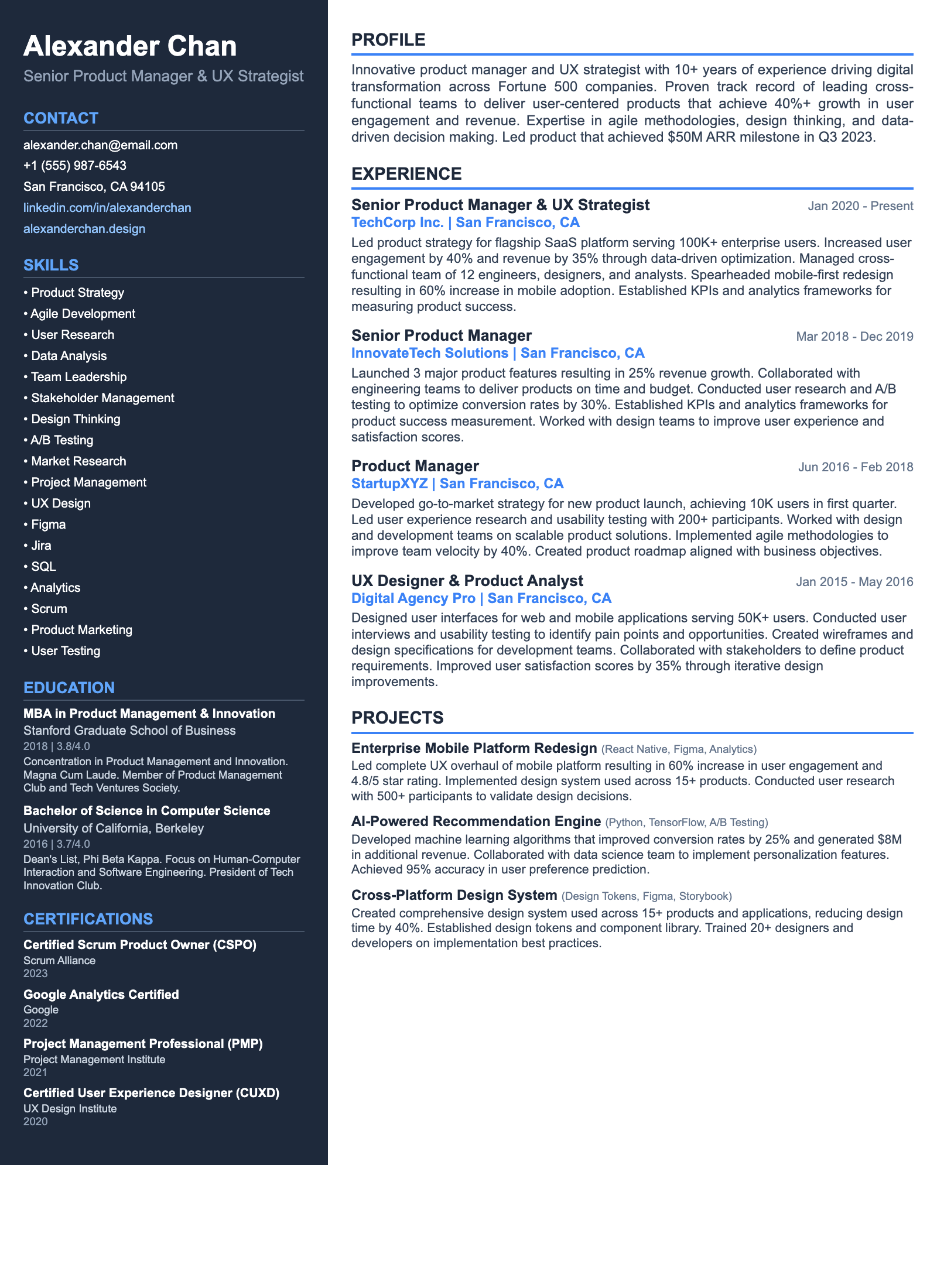
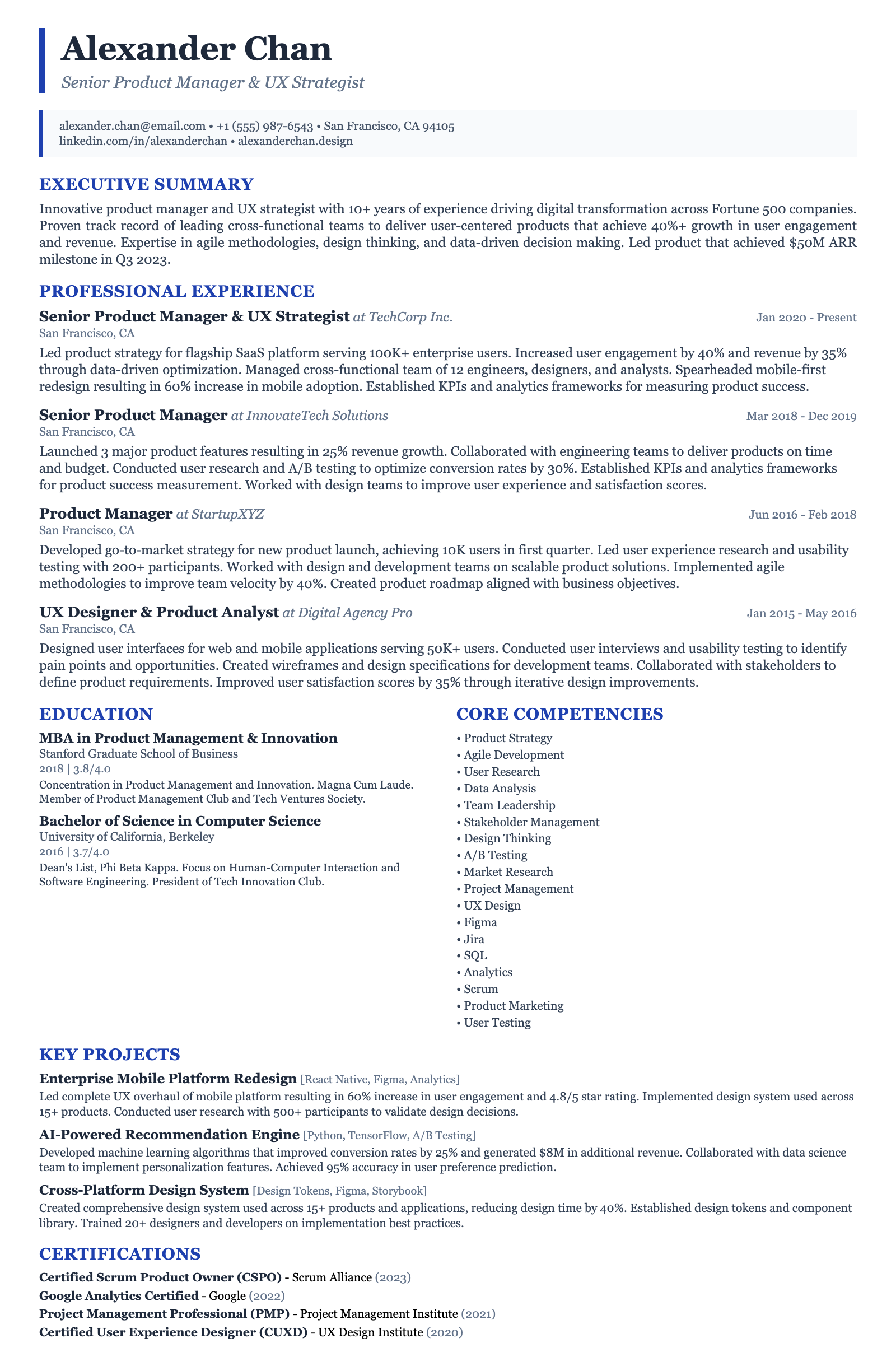
Recommended Resume Templates
ATS-friendly templates designed specifically for Entry-Level Construction Financial Analyst positions in the US market.
Frequently Asked Questions
What are the key responsibilities of an entry-level construction financial analyst?
Key responsibilities include assisting with budgeting, forecasting, cost control, financial reporting, variance analysis, and data management for construction projects.
What skills are most important for success in this role?
Essential skills include strong analytical abilities, proficiency in Excel, knowledge of GAAP principles, excellent communication skills, and attention to detail.
What is the typical career path for a construction financial analyst?
The typical career path progresses from entry-level analyst to senior analyst, project accountant, finance manager, and potentially controller or CFO.
What type of software is commonly used in construction financial analysis?
Commonly used software includes Microsoft Excel, accounting software (e.g., SAP, Oracle), construction management software (e.g., Procore, Sage 300 CRE), and data visualization tools (e.g., Tableau, Power BI).
How important is industry experience for this role?
While not always required, prior experience in the construction industry through internships or related roles is highly beneficial and can give you a competitive edge.
What is the salary range for an entry-level construction financial analyst?
The salary range typically falls between $55,000 and $75,000 per year, depending on location, experience, and company size.
What are some common challenges faced by construction financial analysts?
Common challenges include managing large datasets, dealing with complex project financials, and adapting to changing project requirements and timelines.
How can I prepare for an interview for this position?
Prepare by researching the company and the construction industry, practicing common interview questions, and highlighting your relevant skills and experience. Be ready to discuss specific projects you've worked on and how you've applied your financial knowledge.
Ready to Build Your Entry-Level Construction Financial Analyst Resume?
Use our AI-powered resume builder to create an ATS-optimized resume tailored for Entry-Level Construction Financial Analyst positions in the US market.