
Entry-Level Construction Data Analyst: Launch Your Career
Kickstart your construction data analysis career in the US! This entry-level role offers a fantastic opportunity to apply your analytical skills to real-world projects, driving efficiency and innovation within the construction industry.
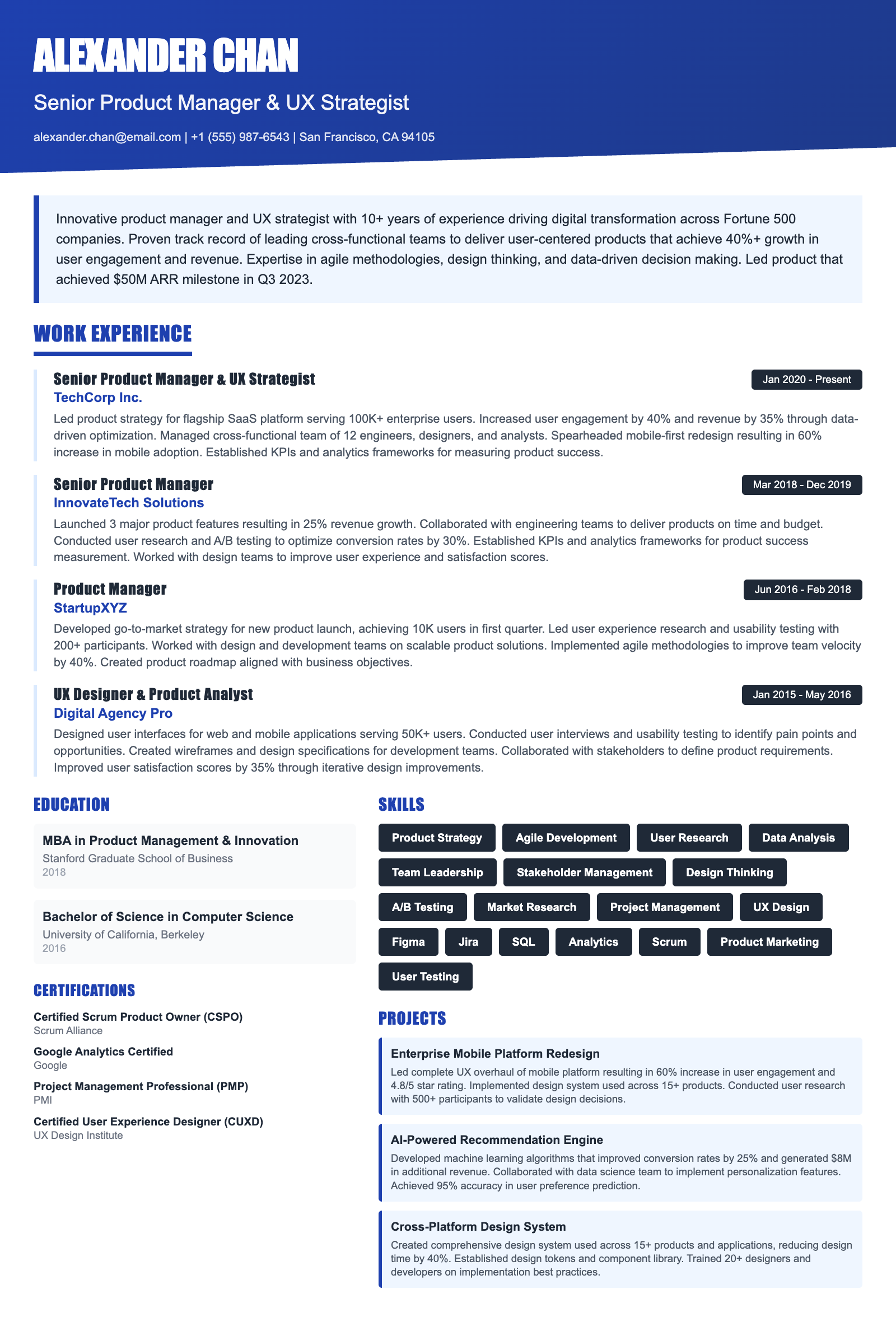
Essential Skills for Entry-Level Construction Data Analyst
Include these keywords in your resume to pass ATS screening and impress recruiters.
Must-Have Skills
- Data Analysis
- Excel (Advanced)
- Communication (Written & Verbal)
- Problem-Solving
- Attention to Detail
Technical Skills
- SQL
- Tableau
- Power BI
- Python (Pandas, NumPy)
- Procore/ACC
Soft Skills
A Day in the Life
A typical day for an Entry-Level Construction Data Analyst starts with reviewing the daily project reports and identifying any anomalies or potential issues. You might spend the morning extracting data from Procore or Autodesk Construction Cloud, cleaning and transforming it using Excel and Python. A significant portion of your day could be dedicated to building interactive dashboards in Tableau or Power BI to visualize project progress, cost performance, and safety metrics. You'll attend project meetings to present your findings and answer questions from project managers and engineers, providing data-backed insights to support their decision-making. You may also spend time researching new data analysis techniques and tools to improve the efficiency and accuracy of your work. Collaboration is key, so you'll often work with other team members to gather data, validate results, and ensure that everyone has access to the information they need. The day ends with documenting your work, updating reports, and preparing for the next day's challenges, knowing that your efforts are contributing to the successful completion of the project.
Career Progression Path
Entry-Level Construction Data Analyst
Construction Data Analyst
Senior Construction Data Analyst
Project Data Manager
Data Science Manager
Interview Questions & Answers
Prepare for your Entry-Level Construction Data Analyst interview with these commonly asked questions.
Tell me about a time you used data analysis to solve a problem.
MediumCertainly. In my previous internship, we were facing delays in material delivery. I analyzed historical delivery data, identifying bottlenecks and patterns related to specific suppliers and routes. Using this information, I recommended alternative suppliers and optimized delivery schedules, which resulted in a 15% reduction in delivery delays. This involved using Excel to create pivot tables and charts to visualize the data and communicate my findings effectively (Situation, Task, Action, Result).
Describe your experience with SQL.
MediumI have experience using SQL to query and manipulate data from relational databases. I've used it to extract data for analysis, create reports, and perform data cleaning and transformation. For example, I recently used SQL to pull data from a project database to analyze cost variances. I am comfortable with writing complex queries involving joins, aggregations, and subqueries.
How familiar are you with data visualization tools like Tableau or Power BI?
MediumI am proficient in both Tableau and Power BI. I've used them extensively to create interactive dashboards and reports to visualize key performance indicators (KPIs) and trends. I understand how to connect to various data sources, create calculations, and design visually appealing and informative dashboards that effectively communicate insights to stakeholders. I've also worked with creating calculated fields and parameters to allow for more complex analyses.
Why are you interested in the construction industry?
EasyI am drawn to the tangible nature of construction projects and the opportunity to contribute to building infrastructure and communities. I believe that data analysis can play a vital role in improving efficiency, reducing costs, and enhancing safety in the construction industry. I am excited to apply my analytical skills to make a positive impact on real-world projects.
What are your strengths and weaknesses?
MediumOne of my greatest strengths is my analytical ability and attention to detail. I am able to quickly identify patterns and trends in data and communicate my findings effectively. A weakness I am actively working on is public speaking; I am taking a course to improve my presentation skills and confidence in front of larger audiences.
Describe a time you had to work with a difficult team member. How did you handle it?
MediumIn a group project during my studies, I encountered a team member who consistently missed deadlines and didn't contribute equally. I addressed the issue by scheduling a one-on-one conversation to understand their perspective and any potential challenges they were facing. I then worked with the team to redistribute tasks more equitably and set clear expectations for future contributions. We also established regular check-ins to monitor progress and provide support. This approach fostered a more collaborative environment and ultimately helped the team successfully complete the project.
How do you stay up-to-date with the latest trends in data analysis?
EasyI actively follow industry blogs and publications, attend webinars and conferences, and participate in online communities to stay abreast of the latest trends in data analysis. I also regularly experiment with new tools and techniques to expand my skillset and remain competitive in the field. I proactively learn new techniques and test them on personal projects.
What is your understanding of key performance indicators (KPIs) in construction?
MediumI understand that KPIs in construction are metrics used to track and measure the performance of projects. Examples include cost variance, schedule variance, safety incident rate, and client satisfaction. By monitoring these KPIs, project teams can identify areas for improvement and make data-driven decisions to optimize project outcomes.
ATS Optimization Tips
Make sure your resume passes Applicant Tracking Systems used by US employers.
Use standard section headings: 'Professional Experience' not 'Where I've Worked'
Include exact job title from the posting naturally in your resume
Add a Skills section with Construction-relevant keywords from the job description
Save as .docx or .pdf (check the application instructions)
Avoid tables, text boxes, headers/footers, and images - these confuse ATS parsers
Common Resume Mistakes to Avoid
Don't make these errors that get resumes rejected.
Lack of quantifiable achievements in resume descriptions.
Failing to tailor the resume to the specific job description.
Omitting relevant technical skills (SQL, Python, Tableau).
Poor formatting and grammatical errors.
Not demonstrating a clear understanding of the construction industry.
Industry Outlook
The US market for Entry-Level Construction Data Analyst professionals remains highly competitive. Recruiters and ATS systems prioritize action verbs, quantifiable outcomes (e.g., "Reduced latency by 40%", "Led a team of 8"), and clear alignment with job descriptions. Candidates who demonstrate measurable impact and US-relevant certifications—coupled with a one-page, no-photo resume—see significantly higher callback rates in major hubs like California, Texas, and New York.
Top Hiring Companies
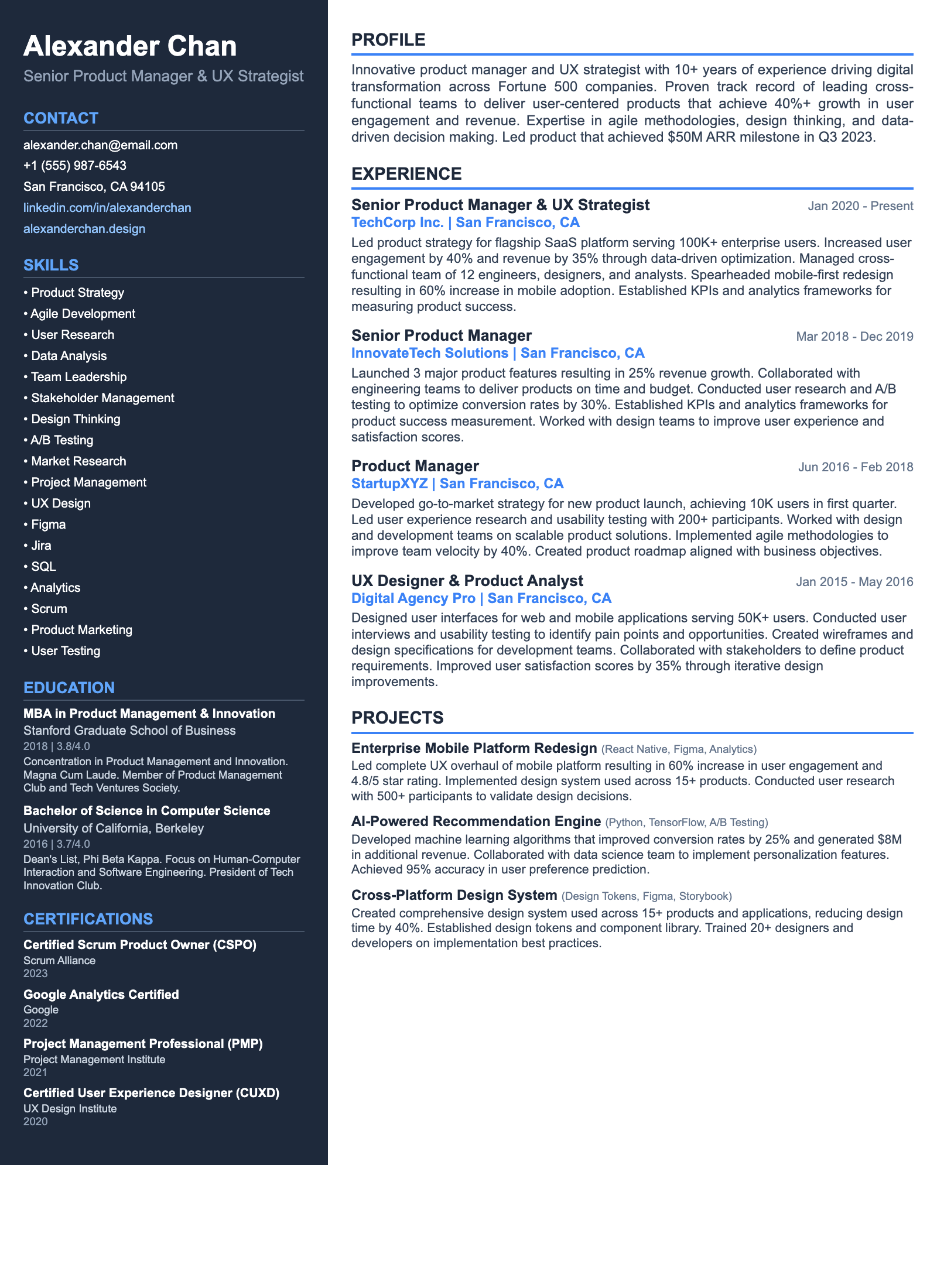
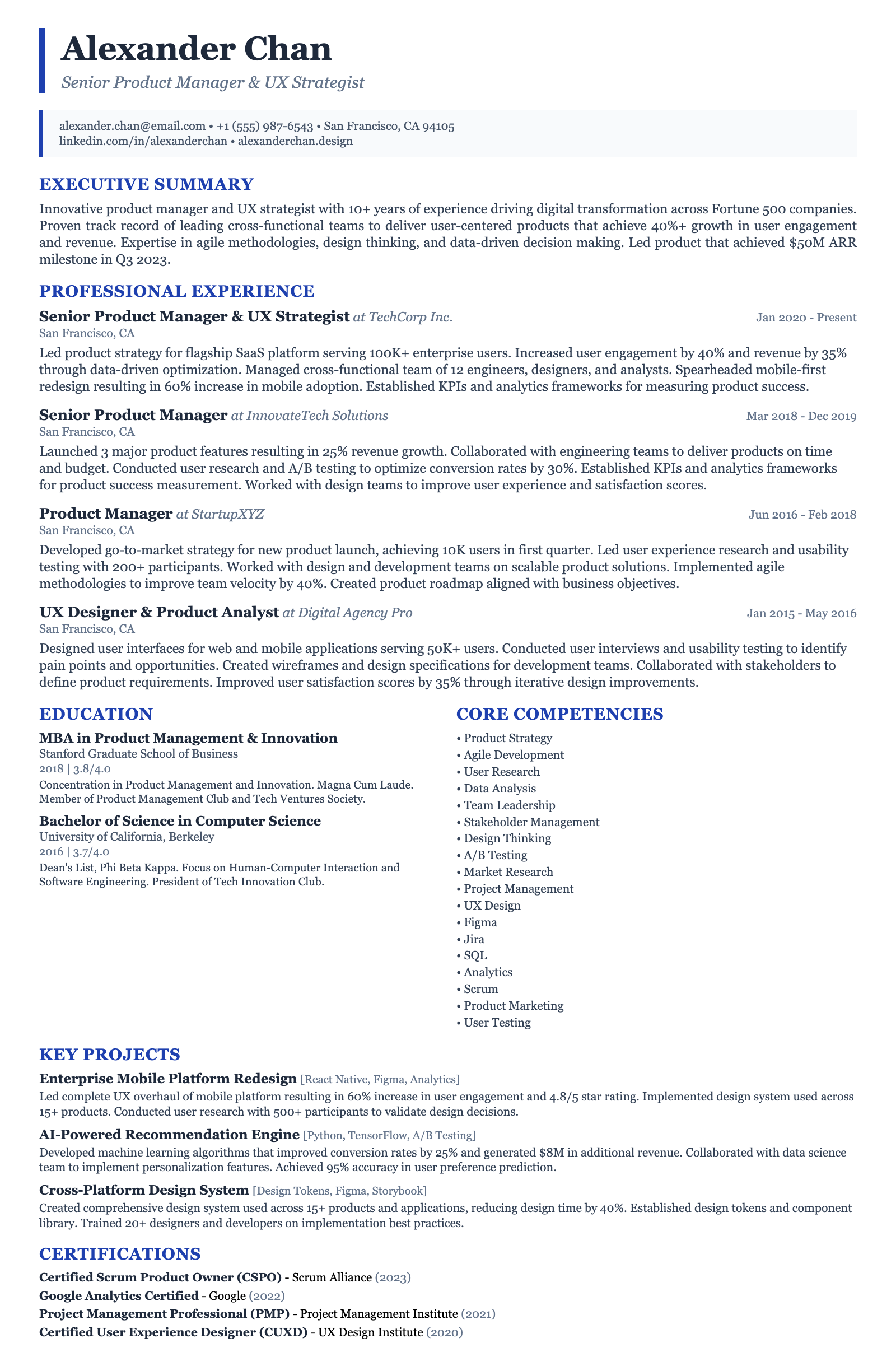
Recommended Resume Templates
ATS-friendly templates designed specifically for Entry-Level Construction Data Analyst positions in the US market.
Frequently Asked Questions
What are the key skills for an entry-level construction data analyst?
The key skills include data analysis, data visualization, SQL, Excel (advanced), statistical analysis, communication, and problem-solving.
What software is commonly used in construction data analysis?
Common software includes Procore, Autodesk Construction Cloud, Tableau, Power BI, Python (Pandas, NumPy), and R.
What is the typical career path for a construction data analyst?
The typical career path progresses from Entry-Level Analyst to Analyst, Senior Analyst, Project Data Manager, and potentially Data Science Manager.
What are the common responsibilities of a construction data analyst?
Responsibilities include data collection, cleaning, analysis, reporting, and providing insights to project teams to improve decision-making.
How important is industry knowledge for this role?
While not always required for entry-level positions, a basic understanding of construction processes and terminology is highly beneficial and demonstrates your interest in the field.
What is the salary range for an entry-level construction data analyst?
The salary range typically falls between $50,000 and $80,000 per year in the United States, depending on location and experience.
What kind of projects might I work on as a construction data analyst?
You might work on projects involving cost analysis, schedule optimization, risk management, safety performance, and resource allocation.
How can I prepare for an interview for this role?
Prepare by showcasing your technical skills, highlighting relevant projects, researching the company, and practicing answering common interview questions using the STAR method.
Ready to Build Your Entry-Level Construction Data Analyst Resume?
Use our AI-powered resume builder to create an ATS-optimized resume tailored for Entry-Level Construction Data Analyst positions in the US market.